
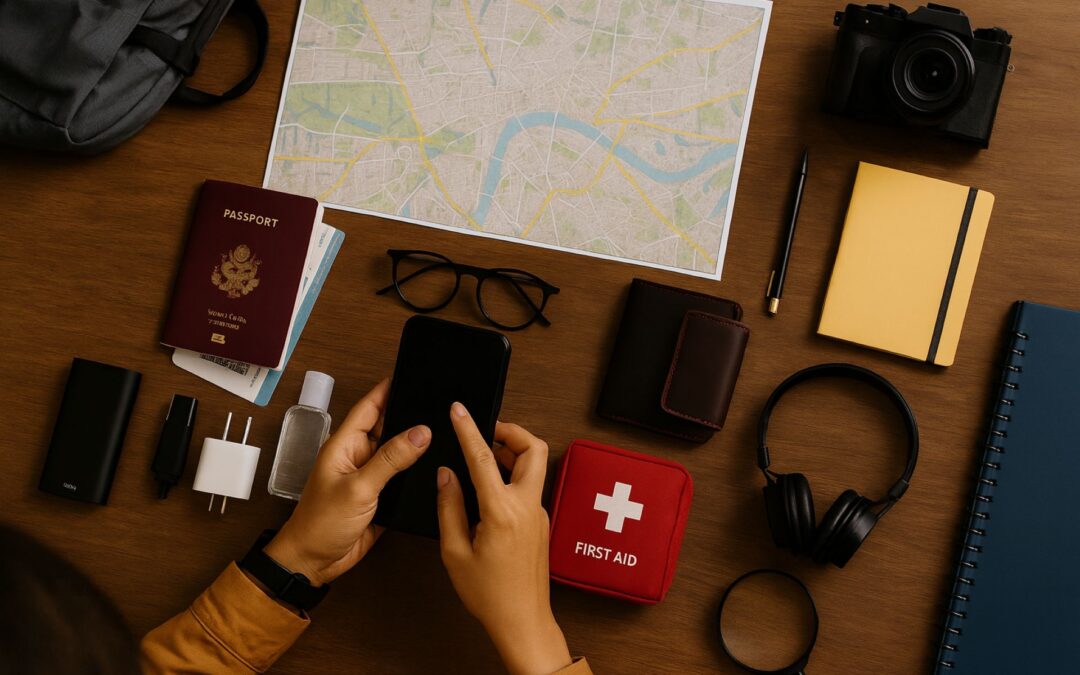
Traveling solo is a profound act of self-discovery and liberation. It’s stepping into the unknown with nothing but your own instincts, preparation, and curiosity as your companions. More than ever, solo travel has surged in popularity, not just as a trend but as a transformative way to engage with the world. Before you book that flight, here are 15 indispensable essentials to craft a journey that’s not only exhilarating but safe, comfortable, and deeply rewarding.
1. Budget, Budget, Budget
Creating a solid budget is the keystone of a successful solo adventure, transforming vague financial worries into concrete, manageable plans. Budgeting goes far beyond just tallying up how much money you have—it’s about understanding the full landscape of your expected expenses and having the flexibility to adapt without panic.
Begin by researching your destination thoroughly. Costs vary dramatically from one country or city to another, and even within regions. For example, Southern Europe—think Spain, Italy, Greece—tends to have moderate prices with mid-range hotel rooms costing between $80 and $150 per night. South America, encompassing countries like Colombia or Peru, offers a range that might sit around $50 to $100, while Southeast Asia, including Thailand and Vietnam, is often significantly cheaper with quality lodging available for $30 to $70 per night. Hostels, popular among solo travelers for their affordability and social atmosphere, can be an economical option, ranging from $5 to $50 depending on the region and quality.
To get precise, calculate a daily spend rate encompassing accommodation, transportation, meals, activities, and miscellaneous expenses like laundry, toiletries, and occasional treats. Take this daily total and multiply by the number of days you’ll be traveling. Now, here’s the crucial part: add a 20% contingency buffer. Life is unpredictable—delayed flights, spontaneous adventures, medical needs, or splurges can quickly blow your initial budget out of the water. This buffer ensures your financial safety net remains intact.
Maintain your funds prudently. Rather than carrying all your cash and cards in one place, separate them across different pockets, bags, or even leave some money locked safely in your accommodation. Keep your travel budget in a checking account separate from your savings account. This prevents accidental overspending or freezing your entire wealth if one account is compromised. Having quick and secure access to funds at all times frees you from the mental shackles of financial anxiety, allowing you to fully embrace the unpredictability and spontaneity that solo travel demands.
2. Learn the Language Basics
Fluency is a lofty goal that no one expects before a solo trip, but mastering the basics of the local language is an understated power move. Knowing key phrases—simple greetings, pleasantries, and essential questions—transforms your travel experience from transactional to transformational.
Learning how to say “hello,” “please,” “thank you,” and “excuse me” is a gateway to cultural respect and connection. But beyond politeness, acquiring the vocabulary to order food, ask for directions, seek help, and inquire if someone speaks your language reduces stress in practical, day-to-day situations. This small linguistic investment acts as a bridge over the cultural divide, avoiding the exhausting dance of pantomime and guesswork.
While technology like Google Translate is a handy tool, it demands mental energy and can be unreliable, especially when navigating noisy environments or dealing with colloquial speech. Memorizing key phrases preserves your mental bandwidth and builds your confidence. Locals tend to respond with warmth and patience when you make an effort, which often opens doors to richer experiences—recommendations for hidden gems, invitations to local gatherings, or just a smile and goodwill that transform encounters.
Moreover, language learning shifts your mindset. It signals that you are not just a visitor but a respectful participant in the cultural tapestry, fostering a sense of belonging. This subtle psychological shift eases feelings of alienation and empowers you to navigate your surroundings with greater ease.
3. Manage Your Money Sources
Money management while traveling solo is a strategic exercise in safeguarding and accessibility. Unlike when traveling with companions, solo travelers bear full responsibility for their financial safety and liquidity, so planning for multiple contingencies is essential.
Start by carrying cash in the local currency for everyday transactions and places that reject cards—think small markets, local food stalls, rural taxis, or entry fees to hidden attractions. However, don’t stash all your cash in one place; divide it securely among your wallet, luggage, and hidden pouches.
Your primary debit card should cover regular expenses, but it’s vital to have at least one backup credit card and an additional debit card stored separately. This redundancy ensures you can recover if a card is lost, stolen, or unexpectedly blocked. Notify your bank and credit card companies about your travel itinerary well in advance to prevent inconvenient account freezes caused by unfamiliar foreign transactions.
Select credit and debit cards that minimize foreign transaction fees—sometimes as high as 3% per purchase—to save significant money over time. Credit cards also often come bundled with perks like travel insurance, purchase protection, and fraud monitoring, which can be invaluable.
Balance your accounts so you have enough in checking to avoid constant transfers but avoid keeping all your funds there. In case of theft or loss, limiting exposure reduces potential damage. This multi-layered approach to managing money provides both security and peace of mind, enabling you to access funds smoothly and avoid the stress of financial disruptions.
4. Have a Communication Plan with Family
Solo travel, while exhilarating, carries inherent risks and moments of profound isolation. Establishing a clear, reliable communication plan with friends or family back home is a non-negotiable safety and emotional support strategy.
Due to varying time zones, busy schedules, and the realities of remote locations, daily check-ins are impractical and unnecessary. Instead, set specific weekly or bi-weekly times to connect via phone, video call, or messaging apps. Mark these dates on everyone’s calendars, and make a commitment to stick to them as much as possible.
These scheduled communications serve as an informal safety net. If you miss a call or check-in without explanation, your family or friends have a pre-agreed reason to raise an alarm or attempt to contact local authorities. This system provides a structured mechanism to monitor your well-being without intrusive or constant tracking.
Emotionally, these calls provide anchor points amid the whirlwind of solo exploration. Solo travelers often experience unexpected waves of loneliness, sometimes triggered by simple moments—missing familiar faces, the absence of shared experiences, or just the quiet nights alone. Having a known time to connect with loved ones offers comfort and mental rejuvenation. It reassures you that, despite physical distance, you remain tethered to your support network, bolstering resilience against isolation’s emotional toll.
This plan fosters a healthy balance between independence and connection, empowering you to roam boldly while staying grounded in the care of those who matter most.
5. Digital Security and Allowing Yourself Some Home Comforts
In the digital age, solo travel extends beyond physical preparation—it demands vigilant protection of your online presence. Public Wi-Fi networks, which you’ll inevitably use in airports, cafes, hotels, and city squares, are notorious breeding grounds for cybercriminals. These networks are typically unsecured, meaning your data transmissions—emails, passwords, credit card details—can be intercepted with alarming ease.
A Virtual Private Network (VPN) is an indispensable tool here. It encrypts your internet connection, creating a secure tunnel through which your data travels, shielding it from hackers and snoopers. Without a VPN, your sensitive information is as exposed as if you were shouting in a crowded room. Investing in a reputable VPN service not only fortifies your security but also gives you access to content from home that may be geo-blocked abroad, such as your favorite streaming platforms or news outlets. This connectivity to familiar media offers a comforting reprieve after intense days of navigating foreign environments.
Strong, complex passwords form the first line of defense on your devices. Avoid simple or repeated passwords; instead, use combinations of upper and lowercase letters, numbers, and special characters. Regularly updating passwords and enabling two-factor authentication where possible adds layers of protection.
Digital security intertwines with comfort—knowing your data is safe means less worry, enabling you to focus fully on your travels. The peace of mind that comes with secure internet access, combined with the ability to indulge in a favorite show or connect with friends online, makes your solo adventure less lonely and more enjoyable.
6. Take Care of Your Health
Your health is your most precious asset on the road, often overlooked until compromised. Preemptive preparation begins with understanding the health risks associated with your destination. Vaccinations tailored to your itinerary—such as rabies, malaria prophylaxis, yellow fever, typhoid, or hepatitis—should be administered well ahead of departure. Many vaccines require multiple doses spaced weeks apart to become fully effective, so early planning is crucial.
Assembling a comprehensive travel health kit is equally vital. Pack any prescription medications you require regularly, plus over-the-counter remedies for common ailments like headaches, digestive upset, allergies, or motion sickness. A basic first aid kit should include antiseptic wipes, bandages, tweezers, and a thermometer. Particularly during ongoing global health concerns like pandemics, monitoring your temperature and symptoms can prevent exacerbations or inadvertent spread.
Water and food safety cannot be overstressed. In many countries, tap water is not potable. Always opt for bottled or properly filtered water and avoid ice unless its purity is guaranteed. When dining, choose establishments with good hygiene reputations. Street food is an integral cultural experience but ensure it’s freshly prepared and served hot to minimize the risk of foodborne illness.
Adjusting your diet to accommodate local ingredients while maintaining your nutritional needs supports your immune system. Prioritize rest, hydration, and moderation, particularly when acclimatizing to new climates or time zones. Vigilant health management preserves your energy and enthusiasm, preventing illness from turning your dream journey into a nightmare.
7. Pack Smart
Packing for solo travel is a tactical endeavor requiring a blend of foresight, efficiency, and adaptability. Overpacking leads to physical strain and logistical complications, while underpacking risks leaving you unprepared. Striking the right balance is essential.
Choose versatile, layerable clothing suitable for your destination’s climate and cultural norms. Neutral colors and classic styles facilitate mixing and matching, stretching a limited wardrobe into numerous outfits. Opt for lightweight, quick-drying fabrics to simplify laundry needs on the road.
Employ packing techniques like rolling clothes tightly to maximize space and minimize wrinkles. Utilize packing cubes or compression bags to compartmentalize your belongings—this systematization not only saves room but speeds up unpacking and repacking, reducing travel friction.
Essentials beyond clothing include a universal power adapter compatible with multiple socket types, ensuring your devices stay charged globally. A portable charger or power bank is invaluable for long transit days or locations with unreliable electricity. A compact first aid kit, including personal medications, is critical.
Important documents—passport, visa paperwork, travel insurance, and emergency contacts—should be organized in a secure, easily accessible pouch or travel wallet. Keeping digital and physical copies separately safeguards against loss or theft.
Smart packing alleviates unnecessary stress, enhances mobility, and prepares you for the unpredictable nature of solo travel, enabling you to focus on immersion rather than logistics.
8. Follow Cultural Etiquette
Traveling respectfully means more than visiting sites—it involves immersing yourself in the social fabric of your destination. Understanding and adhering to cultural etiquette is both a mark of respect and a practical necessity that enriches your interactions and safety.
Begin with research into local customs, traditions, and social norms before your arrival. Simple gestures can carry significant weight. For instance, in Japan, bowing conveys respect and gratitude, while in many Middle Eastern countries, exposing the soles of your feet is deeply offensive. In certain regions, eye contact may be interpreted differently, either as a sign of sincerity or disrespect.
Dress codes are another vital aspect. Many cultures maintain conservative standards, particularly regarding modesty. Wearing revealing or inappropriate clothing in such settings can alienate locals and may even cause legal issues. Prioritize modest, respectful attire, especially when visiting religious sites or rural communities.
Recognize that behaviors accepted in your home culture—public displays of affection, loud conversations, or eating habits—may be frowned upon or taboo elsewhere. Being sensitive to these differences demonstrates humility and a willingness to learn.
By embracing local etiquette, you signal openness and respect, often unlocking warmer hospitality and deeper connections. It transforms you from a detached observer into a valued participant in the cultural exchange, enriching your solo journey with authenticity and mutual understanding.
9. Be Prepared to Make Friends with Locals
One of the richest, most rewarding aspects of solo travel is forging genuine connections with locals. These relationships move your experience beyond sightseeing to immersive cultural exchange, offering perspectives and stories unavailable through guidebooks or tourist circuits.
Approach locals with openness and curiosity. Simple conversations—asking for restaurant recommendations, directions, or opinions about local traditions—can spark friendships that evolve into invitations to community events, home-cooked meals, or hidden places known only to residents. These interactions break down the “visitor” barrier, allowing you to experience the destination through authentic lenses.
Utilize digital tools to facilitate connection. Platforms like Meetup, Couchsurfing, or local Facebook groups provide access to social events, language exchanges, and interest-based meetups tailored to travelers and locals alike. Travel blogs and forums also offer insights and contacts from previous visitors who have cultivated local networks.
Engaging with locals not only enriches your itinerary but also enhances safety and comfort by embedding you within community rhythms. It fosters empathy, broadens worldview, and often leads to lifelong friendships. Being approachable—through body language, genuine interest, and respect—is key. Remember, a smile and a sincere question can open doors to unexpected adventures.
10. Listen to Your Instincts
Instincts are your inner compass, finely tuned through evolution to alert you to danger or discomfort. When traveling solo, learning to trust this intuition is paramount for safety and well-being.
You might find yourself in situations that feel subtly “off”—a stranger’s behavior, an unusual location, or an ambiguous vibe in a social setting. These gut feelings can be difficult to articulate but are powerful signals. Ignoring them can lead to vulnerability, while honoring them often preempts trouble.
Solo travel amplifies the need for vigilance because there’s no companion to offer perspective or intervene. If you sense unease, don’t rationalize it away; act decisively. Leave the area, decline invitations, or change plans without hesitation or guilt. Over-caution is preferable to underestimating risk.
Cultivating mindfulness and self-awareness sharpens your instincts over time. Practicing scenarios mentally and reflecting on experiences build confidence in your judgment. This trust in your inner voice empowers you to navigate unfamiliar environments with both curiosity and caution, preserving your freedom and safety throughout the journey.
11. Download Offline Maps
Reliable navigation is fundamental to confident solo travel. While smartphones have revolutionized how we explore, internet connectivity is often patchy, expensive, or nonexistent in many destinations. Downloading offline maps ensures you stay oriented regardless of signal availability.
Apps like Google Maps enable pre-downloading detailed maps of cities, regions, or entire countries. These maps retain full functionality offline, allowing you to search locations, plot routes, and find points of interest without consuming data. This capability is especially invaluable in remote areas, underground metros, or places with poor infrastructure.
Offline maps eliminate anxiety over getting lost or relying on strangers for directions, affording you the freedom to wander off beaten paths. They also save on costly roaming fees and reduce battery drain caused by constant data usage.
Complement maps with a portable charger and consider carrying a physical map as a backup. Familiarize yourself with the layout before heading out, marking key locations like your accommodation, transit stops, and emergency services. Mastering offline navigation transforms disorientation into empowerment, a vital skill in the solo traveler’s toolkit.
12. Look into Local Transportation
Mastering local transportation is essential to seamless and economical exploration. Each destination presents a unique ecosystem of transit options that vary in reliability, cost, and user-friendliness.
Research the dominant ride-hailing apps prior to arrival. In Southeast Asia, Grab eclipses Uber in availability and affordability, while in Ireland, Free Now is more widely used. Understanding which app is preferred locally avoids wasted time and frustration.
Public transit often provides the most budget-friendly and efficient means of travel. Many cities have extensive bus, train, or subway networks. Tourist passes or discount cards can offer unlimited rides over a set period, enhancing savings and convenience. Learn routes, schedules, and ticketing systems before you travel, and keep small amounts of local currency handy for fare purchases, as electronic payment isn’t universally accepted.
For increased independence, consider renting a bicycle or scooter, common in many urban and rural areas. These modes offer flexibility and a tactile connection to your surroundings but require awareness of local traffic laws and safety conditions.
Navigating local transport with confidence deepens your cultural immersion and unlocks access to hidden neighborhoods and experiences beyond tourist corridors, enriching your solo adventure with authenticity and spontaneity.
13. Get Travel Insurance
Travel insurance is the unsung hero of solo adventures—a crucial safeguard that protects you from the unpredictable twists and turns that can derail even the best-planned trips. Medical emergencies abroad are notoriously expensive, and without insurance, a sudden illness, accident, or hospitalization can lead to overwhelming financial burden.
A comprehensive travel insurance policy covers a broad spectrum of risks: emergency medical care, hospitalization, prescription medications, and medical evacuation if necessary. Some policies also include trip cancellation or interruption coverage, lost or stolen luggage protection, and assistance services. This safety net ensures that you can access quality care promptly without facing debilitating out-of-pocket expenses.
When selecting a plan, scrutinize the fine print. Ensure coverage matches the activities you plan to undertake—some adventure sports or remote travel require special endorsements. Check policy limits, deductibles, and claim procedures to avoid surprises. Carry digital and physical copies of your insurance documents, along with emergency contact numbers.
Investing in travel insurance transforms the unknown from a source of anxiety into manageable contingency. It offers peace of mind that, should the unexpected occur, you’re not alone and that financial barriers won’t compound your troubles.
14. Secure Your Valuables
Protecting your valuables while traveling solo requires a delicate balance of vigilance and practicality. Unlike group travel, where attention can be shared, solo travelers must take full responsibility for their belongings to avoid becoming targets for theft.
Use luggage locks on your bags, especially when stored in shared accommodations or during transit. Consider discreet money belts, neck pouches, or hidden pockets to carry essential items such as your passport, credit cards, cash, and important documents. These concealed carriers reduce the risk of pickpocketing, particularly in crowded tourist hotspots, markets, or public transport.
Avoid displaying expensive jewelry, watches, or high-end electronics that may attract unwanted attention. When not carrying valuables, store them securely in hotel safes or lockers. Carry only what you need for the day’s activities, leaving excess cash and unnecessary items locked away.
Remain alert to your surroundings. Pickpocketing often occurs in distraction-heavy environments, such as busy streets or tourist attractions. Trust your instincts—if a situation feels unsafe or suspicious, exit immediately. By combining thoughtful preparation with situational awareness, you minimize risks and preserve your peace of mind.
15. Use Expense Tracking Apps
Maintaining control over your finances is vital during solo travel, where every dollar counts and unexpected costs can arise. Expense tracking apps are powerful allies that provide transparency, organization, and real-time insights into your spending habits.
Apps like Trail Wallet, Expensify, and TravelSpend enable you to log expenses instantly, categorize them by type (food, accommodation, transport), and monitor your budget against your total funds. Visual graphs and alerts highlight spending trends, helping you avoid overspending or running low on cash.
Beyond budgeting, these apps assist in managing receipts and documentation—crucial for travel insurance claims or reimbursements. They also foster mindful spending by encouraging you to review and reflect on your financial decisions regularly.
Regularly updating and reviewing your expenses empowers you to make informed choices, such as when to splurge on a memorable experience or tighten your belt for the coming days. This proactive approach transforms budgeting from a chore into a tool for maximizing both enjoyment and financial stability on your journey.
Bonus: Plan Your Meals
Eating well while traveling solo influences both your physical health and overall experience. Constantly dining out can strain your budget and take a toll on your body, especially during extended trips.
Incorporate home-cooked meals into your routine where possible. Breakfast is often the easiest meal to prepare—options like cereal, fresh fruit, eggs, or toast are widely available in most countries and provide a nutritious start to your day. For lunch, consider visiting local markets to buy fresh ingredients and enjoy a picnic in a park or scenic spot. This practice not only saves money but immerses you in local food culture from a new perspective.
Balancing self-prepared meals with occasional dining out allows you to savor local cuisine without the fatigue or digestive stress that can come from constant eating at unfamiliar restaurants. Planning your meals fosters healthier habits, budget control, and a deeper connection to the places you visit, enriching your solo adventure in subtle but meaningful ways.
Conclusion
Embarking on a solo adventure is a journey of self-discovery, empowerment, and boundless exploration. With these 15 essential travel tips, you are now equipped with the knowledge and strategies to ensure your travels are safe, enjoyable, and memorable. From meticulous budgeting and learning local phrases to staying connected with loved ones and securing your digital presence, these tips cover every aspect of solo travel. Remember to listen to your instincts, respect local customs, and embrace the opportunity to connect with new people. Whether you’re navigating a bustling city or exploring serene landscapes, these guidelines will help you make the most of your solo journey. So, pack your bags, trust your gut, and set off on an adventure that promises personal growth and unforgettable experiences. The world is waiting for you!