
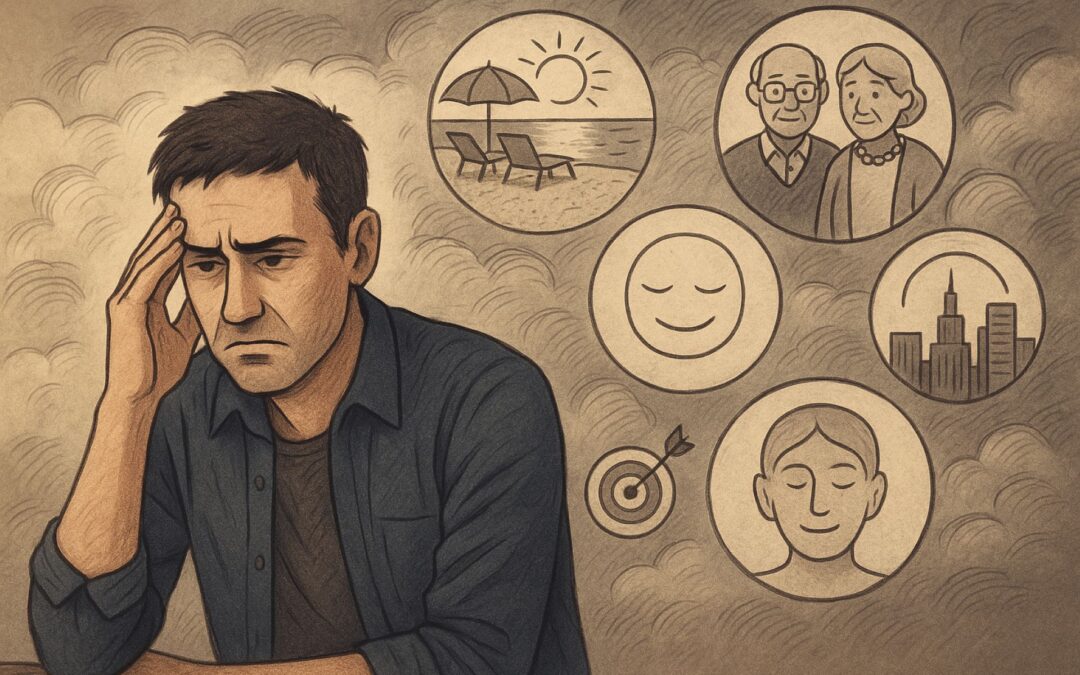
What if the very things we chase in the name of happiness are precisely what keep it just out of reach? We live in a culture soaked with promises that more free time, more money, or the perfect relationship will finally unlock lasting joy. Yet, the science and lived experience tell a different story.
Happiness is elusive, transient, and often the byproduct of unexpected sources—not the milestones we’re sold. Here’s a deep dive into fifteen pervasive myths about happiness that unravel common misconceptions and reveal a more nuanced truth.
1. You’ll Be Happy When You Have More Free Time
The idea that more free time automatically translates into greater happiness is a seductive one. We all imagine that with more hours to ourselves—away from work, obligations, and the daily grind—we’d finally breathe freely, relax deeply, and experience a profound sense of joy. But reality challenges this intuition.
Scientific research has shed light on the paradox of free time and happiness. A key study published in the Journal of Personality and Social Psychology reveals a nuanced pattern: while free time initially boosts well-being, the effect isn’t linear. People do enjoy some leisure, but after roughly two hours, the increase in happiness flattens. Beyond five hours of unstructured free time, well-being actually begins to decline.
This decline occurs because human beings thrive on purpose and accomplishment. Our brains are wired to seek meaning through activity and progress, no matter how incremental. When free time turns into prolonged inactivity, it can trigger feelings of emptiness, boredom, and a loss of direction—what psychologists refer to as “existential ennui.”
Moreover, how we spend free time significantly impacts its happiness payoff. Engaging in activities perceived as meaningful—learning a new skill, pursuing hobbies, or socializing with close friends—can elevate feelings of satisfaction and even boost productivity. These activities affirm a sense of growth and connection, key pillars of psychological health.
In stark contrast, passive consumption such as endless scrolling on social media, binge-watching mindless TV, or aimless internet surfing tends to erode mood. This “passive leisure” often fosters comparison, distraction, and disengagement, leaving people feeling less happy despite having “free time.”
Thus, free time is not a simple currency for happiness. The quality, context, and structure of that time matter deeply. Purposeful engagement—even small accomplishments—injects life with meaning and vitality. In fact, striking the right balance between rest and productive activity is more conducive to happiness than simply maximizing leisure hours. Restful, rejuvenating breaks paired with purposeful action create a rhythm that sustains well-being over the long haul.
2. Retirement Is the Day You’ll Be Truly Happy
Retirement is widely viewed as the ultimate life reward—a long-awaited gateway to freedom, relaxation, and endless enjoyment. The cultural image is alluring: no more alarms, no deadlines, just pure time for yourself. This idealized vision often dominates our hopes, painting retirement as a blissful escape from responsibility.
However, this rosy picture can obscure a more complex and sobering reality. Empirical research shows that retirement can precipitate unexpected challenges, particularly in mental and physical health. Many retirees face increased risks of depression, social isolation, cognitive decline, and even physical ailments in the years following retirement.
One of the primary drivers behind these difficulties is the loss of structure and purpose. For decades, work provides daily routines, goals, social contact, and a sense of contribution. When those disappear suddenly without a clear replacement, retirees may struggle to find meaning and motivation.
Without a forward-focused plan, retirees risk falling into inactivity and sedentary lifestyles. This can gradually erode physical fitness, weaken social ties, and foster loneliness. Mental stimulation decreases, potentially accelerating cognitive decline. These changes often unfold slowly, making them easy to overlook until health and happiness have significantly deteriorated.
Furthermore, the societal narrative around retirement sometimes glamorizes disengagement and leisure without accountability. Viewing retirement as “the end” rather than “a new chapter” risks fostering passivity and a lack of growth mindset.
To cultivate happiness in retirement, it is crucial to proactively design a purposeful lifestyle. This might include volunteering, pursuing hobbies, continuing education, mentoring, or engaging in community projects. Embracing retirement as a time of reinvention—filled with meaningful goals and social connection—protects against stagnation and promotes long-term well-being.
Regardless of age, sustaining purpose is a vital ingredient of happiness. Retirement is not a sunset but a fresh dawn, an opportunity to craft a fulfilling life rich in connection, creativity, and contribution.
3. Having a Massive Bank Balance Equals Massive Happiness
The notion that wealth guarantees happiness is deeply ingrained in popular culture. The image of a life free from financial worries, luxuries at one’s fingertips, and boundless freedom paints money as the ultimate ticket to joy. However, the relationship between money and happiness is far more complex and nuanced.
It’s indisputable that extreme poverty creates hardship, stress, and diminished well-being. Research consistently shows that when basic needs—food, shelter, safety—are unmet, people experience significant suffering. An income threshold exists (approximately $18,000 annually when adjusted for inflation in many countries), below which additional income strongly correlates with increases in happiness, primarily because it alleviates scarcity and insecurity.
Beyond this critical threshold, however, the happiness returns on additional wealth diminish rapidly. The law of diminishing marginal utility applies: each extra dollar contributes less and less to overall well-being. Indeed, accumulating massive fortunes often introduces new psychological and social challenges.
One of the biggest pitfalls is how wealth affects relationships. Money alters social dynamics profoundly. Trust becomes fraught with suspicion—are friendships genuine, or motivated by financial benefit? This uncertainty can breed loneliness and emotional vulnerability.
Close family relationships can become strained when expectations and entitlements emerge. Wealth may provoke jealousy or greed, fracturing bonds once considered secure. This social fragmentation undermines one of the most vital human needs: authentic connection.
Furthermore, the pursuit and maintenance of wealth can itself generate stress, fear of loss, and perpetual comparison, eroding peace of mind.
True happiness arises when financial security combines with emotional intelligence, physical health, meaningful work, and deep, trusting relationships. Money enables choice and freedom but cannot substitute for connection and purpose.
Understanding this interplay offers a more grounded perspective on wealth—not as a happiness guarantor but as one ingredient among many in a rich, balanced life.
4. A Life Without Stress Is the Ideal Life
Stress has become the villain in our modern narrative on well-being. Advertisements, self-help books, and wellness gurus often promise a stress-free existence as the pinnacle of happiness. Yet, stress is not merely an adversary to be vanquished; it is a deeply ingrained, evolutionary mechanism vital to our survival and growth.
At its core, stress is a physiological and psychological response to perceived threats or challenges. When faced with difficulty, our bodies activate the sympathetic nervous system, initiating the fight-or-flight response. This triggers the release of hormones like adrenaline and cortisol, sharpening our senses, increasing heart rate, and priming muscles for action. These responses, while uncomfortable, prepare us to tackle obstacles or escape danger.
The problem arises when stress becomes chronic or is experienced as uncontrollable, leading to distress. Distress impairs memory, decision-making, and concentration and can contribute to physical ailments like hypertension and weakened immunity. Naturally, we crave relief from such negative stress.
However, not all stress is harmful. Psychologists distinguish between distress (negative stress) and eustress (positive stress). Eustress serves as a motivational force that propels us toward goals, enhances performance, and fosters resilience. Think of the heightened focus when racing against a deadline or the adrenaline surge during a challenging workout—these are beneficial stressors that invigorate and stimulate growth.
Moreover, stress has a social dimension that is often overlooked. Shared stressful experiences build strong social bonds. Humans instinctively connect when facing adversity, forging communities through mutual support. This social cohesion is a powerful contributor to psychological health.
The absence of all stress may not be the utopia we imagine. People who live stress-free lives often lack the drive or urgency to grow, learn, and evolve. Without challenges to overcome, life can stagnate, breeding boredom and complacency.
Ultimately, the goal isn’t to eliminate stress but to develop mastery over it: learning to channel stress productively, recognizing its signals, and managing its intensity. This nuanced understanding transforms stress from an enemy into an ally on the path to fulfillment.
5. Living to 200 Years Old Would Be a Dream Come True
The prospect of living well beyond the current human lifespan—stretching to 120, 150, or even 200 years—once belonged solely to the realm of science fiction. Today, advancements in genetics, regenerative medicine, and biotechnology have moved this possibility closer to reality. Research institutions and companies worldwide are exploring age-reversal therapies that could dramatically extend the human health span, allowing people to remain vigorous and healthy for much longer.
Yet, alongside the excitement come profound philosophical and practical questions. Human happiness is intricately tied to our experience of time, novelty, and purpose. Novelty—the excitement of new experiences, relationships, and achievements—is a key driver of joy. Living for centuries risks dulling this novelty, potentially leading to existential fatigue or ennui even amid perfect health.
Furthermore, our psychological framework is adapted to a finite lifespan. The awareness of mortality imbues life with urgency and meaning, spurring us to set goals, take risks, and savor moments. If time stretches indefinitely, this impetus may erode, reducing motivation and diminishing the satisfaction derived from accomplishments.
From a societal perspective, extreme longevity poses serious challenges. Resources such as food, water, living space, and healthcare are finite. Substantially extended lifespans could exacerbate scarcity, increasing competition and social unrest. Infrastructure and economic systems may struggle to adapt to drastically altered demographics.
Moreover, social and familial structures—built around generational cycles—would transform fundamentally, potentially unsettling established cultural norms.
While science’s push to extend life is thrilling, it invites us to deeply consider the essence of a life well-lived. Perhaps the limits of human longevity are part of a finely tuned balance that shapes meaning and happiness.
Before embracing extreme lifespan extension as an unqualified good, society must wrestle with these complexities, ensuring that longer life is accompanied by depth, purpose, and quality.
6. Reaching Your Goals Will Make You Ecstatically Happy Forever
Goal-setting and achievement are central to human ambition and personal growth. We often believe that landing the dream job, completing a marathon, or securing a relationship will bring lasting euphoria. And initially, achieving a significant goal does spark an intense surge of joy and satisfaction.
This phenomenon is largely governed by dopamine, a neurotransmitter that plays a key role in motivation and reward. During goal pursuit, dopamine levels rise, fueling focus, determination, and pleasure. This neurochemical reward system keeps us moving forward, incentivizing progress.
However, dopamine operates like a pendulum. Once the goal is reached, dopamine release often plummets, leaving a neurological “comedown” that can manifest as disappointment, emptiness, or sadness. This physiological rebound explains why the high of success is transient and why many people experience a “post-achievement slump.”
It’s important to understand this neurochemical cycle not as a failure but as a natural biological rhythm. The temporary euphoria encourages new goal-setting and continuous growth rather than complacency.
This knowledge should not discourage ambition or goal pursuit—quite the opposite. Goals provide meaning, direction, and structure to life. They ignite passion and facilitate mastery. But awareness of the inevitable emotional cycles tempers unrealistic expectations.
Sustainable happiness is not a fixed state achieved by ticking off milestones. Rather, it is cultivated through ongoing engagement with purposeful activities, resilience during setbacks, and savoring both progress and process.
Recognizing that moments of joy and disappointment ebb and flow normalizes the emotional landscape and empowers healthier responses. Instead of chasing permanent highs, embracing the full spectrum of experience fosters a richer, more balanced sense of well-being.
7. A Glow-Up Will Transform Your Inner Happiness
The promise of a glow-up—a noticeable transformation in appearance through weight loss, style upgrades, skincare routines, or fitness—is often seen as a fast track to confidence and happiness. It’s true that improving how you look can elevate your mood and self-esteem in the short term. When your reflection aligns more closely with your ideal self-image, it feels like reclaiming control and validation from the outside world.
However, beneath the surface lies a more complex psychological reality. External changes, no matter how dramatic, do not automatically heal internal wounds or transform deeply ingrained self-perceptions. If you struggled with self-doubt, low self-worth, or anxiety before your makeover, those feelings often persist because they reside in emotional and cognitive patterns—not in appearance.
Moreover, a glow-up can trigger unexpected anxieties. The attention and validation you receive post-transformation may create a fragile state of dependence on others’ approval. Fear of losing your new look or slipping back into old habits can generate pressure and paranoia, making you hyper-aware of every perceived flaw or setback.
This dynamic sometimes traps individuals in a cycle of maintaining perfection at great emotional cost. The external boost, while uplifting, is often insufficient to provide lasting happiness without accompanying internal work.
Authentic, sustainable happiness stems from cultivating self-compassion, healing emotional scars, and fostering an unconditional acceptance of oneself. Psychological growth—through therapy, mindfulness, or reflective practices—nourishes this foundation.
In essence, a glow-up can be a valuable catalyst, igniting motivation and external confidence, but it must be paired with deep inner transformation to shift your baseline happiness truly.
8. Escaping Your Problems by Moving to a New Place Will Make You Happy
The fantasy of escaping problems by physically relocating is powerful and prevalent. Stories like Eat, Pray, Love or Under the Tuscan Sun romanticize the idea that leaving behind old troubles and immersing oneself in a beautiful, unfamiliar environment can reset life and bring lasting happiness.
Initially, such moves do offer novelty—a fresh sensory palette, new people, and different cultural rhythms—that can spark excitement and joy. Novel experiences activate dopamine and broaden perspectives, temporarily lifting mood.
However, research and lived experience reveal that geography alone cannot dissolve internal struggles. Emotional patterns, unresolved conflicts, and psychological challenges are carried within; they do not vanish with a change of address.
In fact, relocating without a support network can magnify feelings of isolation and loneliness. Leaving behind familiar relationships removes crucial sources of emotional sustenance, while cultural and language barriers can deepen social disconnect.
Over time, the initial thrill of novelty fades, and the same questions, fears, or dissatisfaction often resurface—sometimes more acutely, now compounded by the absence of community.
True transformation requires internal work: confronting and healing emotional wounds, cultivating resilience, and building meaningful connections, no matter where you live.
Physical relocation can be a catalyst for growth when accompanied by deliberate psychological change and intentional community building. But it is not a standalone solution to happiness.
9. Material Possessions Bring Lasting Happiness
In consumer-driven societies, the accumulation of material possessions is frequently equated with success and happiness. Advertisements bombard us with messages that owning the latest gadget, fashion item, or luxury product will enhance our lives and elevate our joy.
While the initial acquisition of possessions triggers a short-term dopamine rush—a burst of pleasure and excitement—this effect is fleeting. The satisfaction derived from things diminishes rapidly as novelty wears off and attention shifts elsewhere. This cycle, often called the “hedonic treadmill,” keeps people chasing new purchases without achieving lasting happiness.
In contrast, research consistently finds that experiences—travel, social activities, learning opportunities—produce more durable happiness. Experiences contribute to identity formation, social bonding, and positive memories that can be revisited mentally, offering joy long after the moment has passed.
Moreover, materialism can negatively impact well-being by fostering comparison and envy. Social media and advertising amplify feelings of inadequacy as people measure themselves against curated images of wealth and possession. This can damage self-esteem and cultivate chronic dissatisfaction.
A shift toward valuing experiences over possessions nurtures growth, relationships, and meaning. Investing in activities that create memories, foster connection, and build skills provides a deeper, more stable source of happiness.
Ultimately, possessions are tools—not destinations—in the pursuit of joy. Mindful consumption, combined with prioritizing experiences and relationships, fosters a richer and more fulfilling life.
10. Following Traditional Life Milestones Guarantees Happiness
The cultural narrative of life milestones—falling in love, marrying, buying a home, starting a family—has long been marketed as the definitive blueprint for happiness and fulfillment. This linear path promises stability, social acceptance, and joy, reinforcing itself through generations of stories, social expectations, and institutional norms.
Yet, this traditional script does not account for the diversity of human experience and the complex realities behind these milestones. While marriage often correlates with increased happiness, particularly for men, the impact of having children is more nuanced. Parenthood can bring profound meaning and long-term satisfaction, but it also introduces daily stress, sleep deprivation, and financial strain, which can lower immediate well-being.
Research reveals that married couples without children tend to report the highest levels of day-to-day happiness. Moreover, the happiness gap between married and unmarried individuals is smaller than commonly assumed, especially when factors like social support and personality are accounted for.
Rigid adherence to conventional milestones can also lead to disillusionment or feelings of inadequacy when life takes a different shape. People who choose alternative paths—remaining single, embracing non-traditional family structures, or prioritizing careers and passions—may find equal or greater happiness outside the prescribed norms.
Embracing the multiplicity of fulfilling life trajectories allows individuals to define progress on their own terms. Rejecting one-size-fits-all expectations liberates people to build lives aligned with their authentic desires, values, and rhythms.
In essence, the traditional milestones can provide joy but do not guarantee it. Authentic happiness emerges from creating meaningful experiences and relationships tailored to the individual, rather than following a predetermined checklist.
11. Chasing Big Dreams in a Big City Is the Only Way to Succeed
The allure of big cities as hubs of opportunity, innovation, and excitement draws ambitious dreamers from around the world. Cities like New York, London, and Tokyo symbolize the epicenter of success, creativity, and the “fast lane” of life. The narrative suggests that to make a mark or achieve greatness, one must immerse themselves in the intensity and competition of a metropolitan landscape.
However, this urban dream often clashes with reality. Big cities are frequently cutthroat arenas where thousands of equally talented, hungry individuals vie for limited opportunities. The competition can be relentless and exhausting, leading to feelings of invisibility or insignificance—a small fish lost in an enormous pond.
Additionally, the cost of urban living often forces compromises: long commutes, high rent, and limited personal space can wear down well-being. The constant hustle and sensory overload may contribute to stress, anxiety, and burnout.
In contrast, smaller towns or suburban environments can offer a slower pace, stronger community connections, and a clearer sense of impact. Being a “big fish in a small pond” can foster confidence, meaningful relationships, and visible contributions that are harder to achieve amid the noise of a metropolis.
Choosing where to chase dreams should be aligned with personal temperament, goals, and values rather than cultural pressure. Success and happiness do not require the biggest stage; they demand authenticity, purpose, and connection—elements found in many places.
The myth that big cities are the only paths to fulfillment overlooks the diverse, rich possibilities for thriving that exist outside urban giants.
12. Taking the High Road Always Makes You Feel Better
“Take the high road” is a common piece of advice encouraging grace, forgiveness, and rising above conflict. It suggests that by refusing to engage in petty disputes or retaliatory behavior, one can preserve dignity and inner peace.
While this wisdom holds true in many situations, it is not a universal prescription. The effectiveness of taking the high road depends heavily on the nature and character of the other party involved.
In interactions where empathy, fairness, and mutual respect exist, choosing forgiveness and restraint often leads to resolution, improved relationships, and emotional relief. It can de-escalate tension and break cycles of negativity.
However, some individuals interpret the high road as weakness or victory for themselves, using it to continue harmful behavior unchallenged. In such cases, consistently yielding or avoiding confrontation can embolden abuse, exploitation, or disrespect.
Emotional well-being sometimes requires setting boundaries and holding others accountable. Justice and personal integrity may demand confrontation, clear communication, and consequences.
Choosing the high road should be a conscious, strategic decision rather than an automatic reflex. Understanding the personality, motives, and values of those involved helps determine whether forgiveness will yield peace or perpetuate harm.
Balancing grace with assertiveness enables healthier relationships and protects one’s dignity without enabling destructive patterns.
13. Praise and Validation from Loved Ones Are Lifelong Happiness Boosters
Human beings are inherently social creatures, wired to seek approval and acceptance from those around them. Praise and validation from loved ones—be it family, friends, or partners—can lift our spirits and reinforce a positive self-image. Moments of genuine recognition often feel like warm, affirming fuel, momentarily elevating our mood and confidence.
However, the brain’s negativity bias complicates this dynamic. Psychologically, humans are much more attuned to negative feedback than positive reinforcement. This evolutionary trait ensured survival in hostile environments by prioritizing threats and mistakes over praise. As a result, praise tends to have a fleeting impact, while criticism leaves a deeper, longer-lasting imprint.
Moreover, the happiness derived from external validation is often transient. When praise comes as a result of significant effort—like working late nights or overperforming—the eventual recognition can feel hollow or insufficient, especially if it does not align with internal self-worth. This can lead to a cycle of chasing approval, where each accolade feels less satisfying than the last.
Overdependence on external validation risks undermining intrinsic motivation and self-esteem. When happiness hinges on others’ opinions, it becomes vulnerable and unstable.
Sustainable well-being comes from cultivating internal validation—developing self-compassion, embracing personal values, and fostering authentic self-acceptance. Praise remains valuable but should complement, not replace, an internally grounded sense of worth.
In relationships, balancing giving and receiving genuine affirmation nurtures connection, but the ultimate source of happiness lies in the harmony between external recognition and inner approval.
14. Starting Over Where Nobody Knows You Will Bring Fulfillment
The idea of hitting the reset button on life by moving to a new city—or even a new country—where no one knows you holds undeniable appeal. The promise of shedding past mistakes, labels, or limiting relationships fuels dreams of reinvention and liberation. It suggests a clean slate where you can become the person you truly want to be.
Yet, human happiness is deeply rooted in connection, belonging, and social identity. Familiar faces, shared histories, and a sense of community provide emotional nourishment that anonymity cannot replace. Being recognized and embraced by others validates our existence and anchors our identity.
Starting over in anonymity often comes with unexpected emotional costs. The absence of a support network can lead to loneliness, disorientation, and vulnerability. Social isolation may exacerbate existing insecurities or mental health struggles.
Furthermore, without the accountability and relational context of long-standing connections, it can be harder to maintain personal growth or behavioral change. Old patterns tend to re-emerge without intentional effort.
True reinvention requires not only a new environment but also the deliberate cultivation of new relationships, community, and a sense of belonging. Fulfillment arises from integrating new experiences with authentic social ties.
Thus, while starting over can be empowering, it is rarely a panacea. The human need for connection underscores that happiness flourishes not in isolation, but within meaningful, supportive communities.
15. Only You Can Make Yourself Happy
The aphorism “only you can make yourself happy” emphasizes personal responsibility and empowerment in emotional well-being. It encourages self-reliance, introspection, and the cultivation of internal resources such as resilience, gratitude, and mindset.
However, this statement oversimplifies the complex social nature of human happiness. Humans are inherently relational beings; our brains and hearts are wired to thrive in connection with others. Joy is often found in shared laughter, mutual support, and the simple pleasures of companionship.
Social relationships play a critical role in physical and mental health, influencing everything from stress levels to longevity. Quality interpersonal connections provide validation, empathy, and meaning that cannot be fully replicated through solitary efforts.
Moreover, happiness is frequently derived from what we give rather than what we receive. Acts of kindness, generosity, and service to others activate neural pathways associated with pleasure and fulfillment, creating a positive feedback loop.
It is not the actions or presence of others alone, but the quality and authenticity of these relationships that matter. Trustworthy, supportive communities foster a fertile ground for happiness to grow.
Therefore, while individual agency is important, happiness is both an inside job and a communal experience. Balancing self-care with nurturing connections unlocks a more profound, enduring joy. It is in the interplay between self and others that happiness truly flourishes.
Conclusion
Navigating the paradoxes of life requires more than just surface-level understanding; it demands a deeper introspection and acceptance of the complexities inherent in our existence. The contradictions we’ve explored—from the balancing act of constant self-improvement to the pursuit of an idealized, yet flawed, relationship—highlight the nuanced nature of our personal journeys.
Embracing these paradoxes and finding harmony within them can lead to a more balanced, fulfilling life. By recognizing and addressing these mutually exclusive aspects, we gain valuable insights that help us navigate our own paths with greater clarity and resilience. In the end, it’s not about resolving these contradictions but learning to live with them in a way that enriches our experiences and deepens our understanding of what it means to truly thrive.