
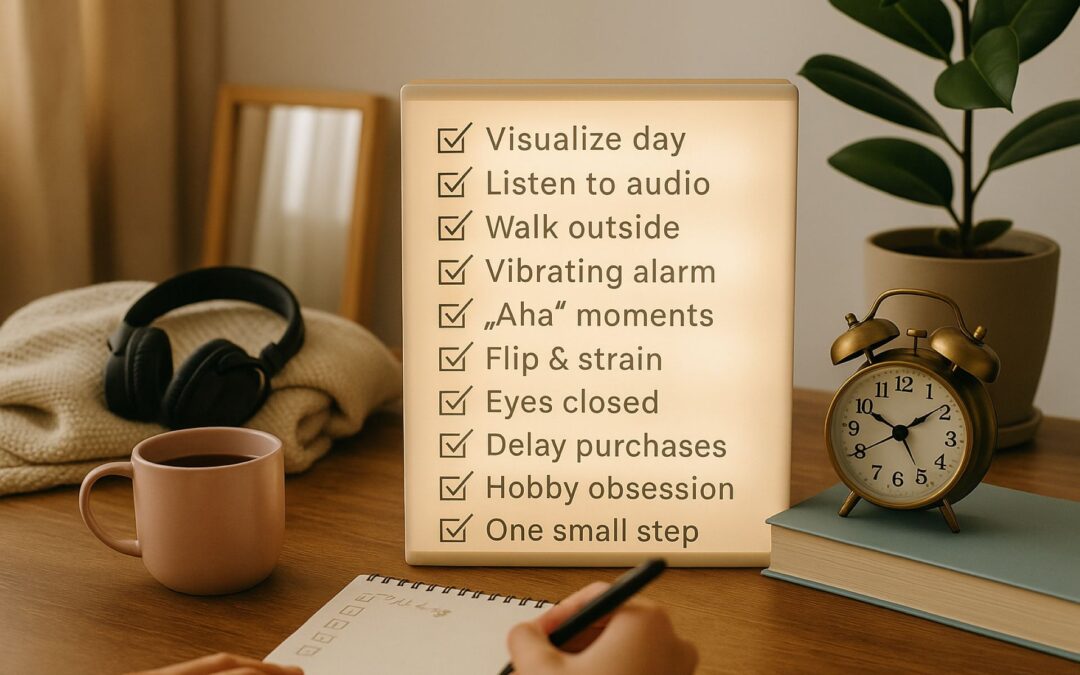
Simple habits are often the most profound. They form the bedrock of a peaceful, productive, and deeply satisfying life. Beyond the well-known essentials like eating greens, exercising, and drinking water, lies a treasure trove of subtle, little habits that can elevate your day from good to extraordinary. These fifteen habits push beyond the basics—helping you fine-tune your daily flow and unlock a higher level of ease, clarity, and joy.
Visualize Your Day Like It’s a Movie
Visualization is a mental technique often reserved for athletes or performers, but it’s equally transformative in everyday life. When you visualize your day as if it were a movie, you’re engaging your brain in a powerful rehearsal. This process isn’t merely about wishful thinking; it’s about priming your subconscious to anticipate specific actions and outcomes. Your mind, much like a vivid storyteller, constructs scenarios with remarkable detail—from the moment you wake up, to the way you handle challenges at work, to your interactions with others, and how you wind down in the evening.
Why does this matter? Because your brain struggles to distinguish between vivid imagination and actual experience. When you vividly picture yourself navigating your day with calm focus and confidence, your subconscious begins to align your behaviors with these mental rehearsals. This alignment can reduce anxiety by eroding the fear of the unknown and replacing it with a sense of preparedness.
The key is control. This isn’t a freeform daydream where your mind drifts aimlessly. You need to direct the scenes intentionally, imagining the flow, the emotions, and even the potential obstacles—and seeing yourself overcoming them gracefully. This process sharpens your mental focus, primes your memory for the tasks ahead, and boosts your mood by celebrating victories before they happen.
Try dedicating just one minute each night before sleep to this practice. Picture yourself waking up rested, completing your morning routine effortlessly, handling your tasks with efficiency, and ending your day with a sense of accomplishment. Over time, this mental exercise rewires your neural pathways, turning your daily experiences into a well-directed performance rather than a series of chaotic events.
Plan What You Listen To While Doing Chores
Chores are universally disliked because they interrupt our preferred activities and demand attention to mundane tasks. But there’s a clever way to hack your brain and make these moments enjoyable—or at least far less onerous—by pairing them with engaging audio content.
The human brain is wired to love stories. Whether through songs, podcasts, or audiobooks, narratives capture our attention and transport us into different worlds. When you combine this with the physical activity of chores, your brain enters a state of “active trance,” where the monotony of cleaning or organizing fades into the background as you become absorbed in what you’re listening to. Suddenly, tasks that felt like burdens become almost effortless.
However, decision fatigue is a real and insidious obstacle here. Early mornings or after long days, your brain is taxed. The simple act of choosing what to listen to becomes overwhelming, causing you to freeze, scroll endlessly, or procrastinate. This indecision chips away at your motivation and wastes energy.
To sidestep this, plan ahead. During a calm moment—like a relaxed evening or the weekend—curate playlists, queue up podcasts, or select a few favorite episodes to have ready for the next day. This small pre-planning removes the cognitive load during your busiest times and sets the stage for a smooth start.
By removing the friction of choice, you turn chore time into a mini-escape or learning session. Your brain’s craving for stories gets satisfied, and your productivity surges. It’s a win-win that transforms dull chores into opportunities for engagement and growth.
Walk Outside to Activate Mind and Body
Walking is often overlooked in the pantheon of exercises, but it holds a unique place in human evolution and daily health. Our ancestors didn’t run marathons or lift weights—they walked. Miles and miles, day after day, moving in groups, exploring new terrains, and connecting socially. This primal activity shaped our bodies and brains in ways modern sedentary lifestyles fail to replicate.
Physiologically, walking triggers the release of endorphins—natural chemicals that elevate mood, reduce pain, and alleviate stress. It supports cardiovascular health, assists in managing weight, combats arthritis symptoms, and boosts overall vitality.
But walking’s benefits extend far beyond physical fitness. Neurologically, it stimulates parts of the brain involved in memory formation, decision-making, goal-oriented behavior, and planning. This makes walking a uniquely holistic exercise that strengthens both mind and body simultaneously.
When you’re wrestling with a tough question, feeling mentally blocked, or simply overwhelmed, stepping outside for a walk can offer a surprising mental reset. The repetitive, rhythmic nature of walking activates neural circuits that help untangle complex thoughts and ignite creativity. Natural environments further amplify this effect, lowering cortisol levels and boosting attentional restoration.
Socially, walking historically served as a communal activity. Walking with friends or family not only fosters connection but also reinforces accountability and emotional support.
Incorporating regular walks into your day isn’t just about movement—it’s an ancient, integrative practice that honors the full spectrum of human wellbeing. Whether a brief stroll during a lunch break or a long evening walk, it’s a powerful, accessible habit that recharges both your physical and mental reserves.
Set Your Alarm to Vibrate, Not Screech
The typical blaring alarm clock is a notorious offender in sabotaging our mornings. That sudden, jarring noise catapults you from deep, restorative sleep straight into a state of fight-or-flight. This primitive stress response floods your body with cortisol and adrenaline, hormones meant to prepare you for immediate danger—not for calmly starting your day. The result? You wake up disoriented, tense, and already running on high alert, which can cascade into increased anxiety and diminished cognitive performance throughout the day.
A more sophisticated approach is to harness technology that respects your body’s natural rhythms. Sleep-tracking apps and smart alarms analyze your sleep cycles and aim to rouse you during lighter phases of sleep—when your brain is closer to wakefulness. This gentle nudge reduces the shock to your system and supports a smoother transition from rest to alertness.
Vibrating alarms offer another elegant alternative. The combination of subtle movement and soft sounds awakens you without triggering the panic response. For light sleepers, this may feel like a whisper compared to the usual scream, but for many, it’s enough to stir consciousness peacefully. If you’re a heavy sleeper, pairing vibration with gentle ambient sounds can strike the perfect balance.
By shifting to a more considerate alarm method, you effectively prime your nervous system for a calm, centered morning. This sets the tone for improved mood, better focus, and greater emotional resilience, transforming the way you greet each day.
Seek Out “Aha” Moments Daily
The “aha” moment—also known as the moment of insight—is a cerebral spark that punctuates our learning journey. These flashes of clarity are more than feel-good epiphanies; they’re signs of neural breakthroughs, where new connections form in your brain’s intricate network. Such moments invigorate your motivation, solidify memory, and nurture a mindset eager for continued growth.
Importantly, aha moments rarely arrive without some struggle. They come after wrestling with ambiguity, confronting confusion, or puzzling over problems that resist easy answers. This cognitive challenge forces your brain to engage deeply, restructuring existing knowledge and forging new pathways.
To cultivate these moments deliberately, actively seek out mental puzzles and unfamiliar concepts. This might mean tackling a complex article, diving into a challenging theory, or trying a difficult brain teaser. When you don’t grasp something immediately, resist the urge to disengage. Instead, brainstorm possible solutions, discuss ideas with others, or explore expert perspectives.
Sometimes, stepping away and returning later with fresh eyes can trigger unexpected insights. These “aha” revelations often come when you least expect them, whether during a shower, a walk, or even moments of rest.
Building a daily habit of pursuing these intellectual challenges transforms your brain into a dynamic problem-solving machine. Each aha moment compounds, sharpening your analytical skills, boosting creativity, and fueling a satisfying sense of mastery.
Flip and Strain the Knowledge You Gather
In the age of information overload, it’s easy to become ensnared in a comfortable echo chamber, endlessly consuming content that reinforces existing beliefs and interests. Social media algorithms exacerbate this by curating “For You” pages that feed you variations of what you already know and like. While this feels satisfying, it narrows your intellectual horizons and stifles growth.
The antidote? Intellectual inversion and selective filtration—what we can call “flip and strain.” This means deliberately exploring topics opposite or foreign to your usual preferences, then critically evaluating what you absorb.
For example, if you’re passionate about technology, spend time learning about the humanities or vice versa. Read viewpoints you disagree with. Engage with cultures and disciplines that challenge your worldview.
Then comes the straining process: sift through this new knowledge carefully. Retain what adds value, challenges assumptions, or broadens understanding. Discard what’s irrelevant, misleading, or superficial.
This practice breaks the chains of confirmation bias, forcing you to confront discomfort and ambiguity. It sharpens your critical thinking, refines your intellectual taste, and prepares you to participate meaningfully in diverse conversations.
By flipping and straining your learning, you cultivate a richer, more balanced knowledge base that keeps your mind agile and your perspective fresh—an indispensable asset in an increasingly complex world.
Close Your Eyes to Boost Focus and Creativity
Our eyes are incredible sensory organs, but they come at a high cognitive cost. Studies show that up to 80% of the brain’s processing power per second is devoted to interpreting visual information. In our hyper-connected, screen-saturated world, this constant bombardment of images, texts, and movements strains our mental resources, leading to sensory overload and cognitive fatigue.
Closing your eyes—even briefly—acts as an immediate mental reset. By cutting off the flood of visual input, your brain conserves precious energy, freeing up capacity for deeper cognitive functions like problem-solving, memory consolidation, and creative insight. This simple act is akin to putting your brain into “low sensory mode,” allowing it to reorganize, focus, and recharge.
This isn’t just theoretical—many top performers use micro-breaks of closed-eye rest to enhance productivity. Taking 20 seconds to close your eyes during work or study sessions can calm the mind, reduce stress, and sharpen attention.
Try this practice when overwhelmed by screen time or when tackling complex tasks that require creativity or concentration. Close your eyes gently, breathe deeply, and let your mind unclutter. Even a brief pause can unlock fresh perspectives and mental clarity, turning eye closure into one of the simplest yet most potent productivity hacks available.
Procrastinate Your Pointless Purchases
Procrastination is often vilified as a weakness, yet it is deeply wired into our psychology and can be harnessed as a powerful tool for self-control—especially when it comes to spending.
Impulse purchases are often driven by fleeting cravings or emotional triggers rather than genuine need. Left unchecked, these habits can derail budgets and breed regret. However, if you redirect your natural tendency to delay actions toward these urges, you can curb impulsivity without relying on sheer willpower.
The strategy is elegantly simple: whenever you feel compelled to buy something non-essential, tell yourself, “I’ll do it tomorrow.” Repeat this delay over several days or weeks. More often than not, the urge will fade, revealing that the purchase was unnecessary.
This procrastination technique acts like a filter, separating momentary desire from thoughtful decision-making. It also creates psychological distance, allowing you to reflect on your spending habits and values.
By procrastinating pointless purchases, you transform a common mental challenge into a powerful ally for financial discipline, helping you avoid clutter, save money, and focus on what truly adds value to your life.
Obsess Over a Hobby
Obsession is a double-edged sword. When fixated on worries, regrets, or things beyond your control, it drains energy and fuels anxiety. But obsession itself is a neutral cognitive superpower—intense focus and deep curiosity that, when channeled productively, can become a source of joy, creativity, and personal growth.
Redirect this potent mental energy into hobbies or interests that excite and engage you. These could be anything from urban exploration, mastering new coffee blends, studying art history, collecting rare plants, to learning obscure musical instruments. The key is allowing yourself to dive deeply into these passions without judgment.
This obsessive focus sharpens skills, enhances knowledge, and provides a healthy escape from daily stressors. It satisfies your brain’s craving for novelty and mastery while nurturing your sense of identity and purpose.
Obsession naturally waxes and wanes. Some interests become long-term pursuits; others are fleeting fascinations. This ebb and flow is normal and healthy—don’t force sustained intensity when it fades. Instead, embrace curiosity as a dynamic dance, where exploration is the reward itself.
By channeling obsessive tendencies into hobbies, you reclaim mental bandwidth from unproductive rumination and transform it into a sustainable source of excitement and fulfillment.
Take One Small Step With One Daily Habit
The allure of grand transformations can be intoxicating, but sustainable change rarely happens overnight. Instead, the secret to lasting improvement lies in incremental progress—small, manageable steps that gently nudge you forward each day. This approach not only minimizes overwhelm but also taps into our natural love for growth and mastery.
Treat your daily habits like levels in a game. Rather than trying to overhaul your entire routine at once, focus on slightly enhancing one specific habit. Maybe you set your alarm a minute earlier, read one extra page of a book, or add a few extra meters to your daily run. The goal isn’t productivity for productivity’s sake but curiosity—seeing how far you can push yourself without pressure or burnout.
This playful mindset transforms mundane routines into opportunities for experimentation and discovery. Over time, these micro-increments compound, leading to significant shifts without the weight of daunting expectations. It also builds patience and resilience, teaching you that progress is a journey of steady accumulation, not a sprint.
By leveling up one habit at a time, you create momentum and foster a sense of accomplishment that spills over into other areas of life, making the pursuit of growth an engaging and rewarding adventure.
Do the First Thing That Comes to Mind—With Caution
Our brains often filter and second-guess impulses, which can be both a blessing and a curse. While overthinking can lead to paralysis, some of our first spontaneous thoughts carry genuine wisdom, creativity, or kindness. Learning to recognize and act on these beneficial impulses can inject vitality and authenticity into your day.
This habit involves tuning into your initial thoughts but applying a mindful filter. Discard automatic responses driven by stress, boredom, or harmful habits such as mindless eating, compulsive shopping, or doom scrolling. Instead, identify impulses that offer positive outcomes—like complimenting a stranger, taking a scenic detour, or starting a creative project without hesitation.
Acting on these constructive first thoughts can break rigid routines, spark new experiences, and foster emotional spontaneity. It reawakens a trust in your intuition, often dulled by constant self-editing and caution.
Approach this habit with discernment: weigh the potential benefits against consequences quickly. If the impulse aligns with your values and wellbeing, embrace it. This balance between spontaneity and mindfulness enriches your daily experience with fresh moments of joy and connection.
If It Takes Less Than 2 Minutes, Do It Now
The tyranny of small tasks piling up is a subtle productivity killer. Each neglected email, stray dish, or undone errand adds mental clutter, sapping focus and creating a sense of overwhelm. The “two-minute rule,” popularized by productivity expert David Allen, offers a simple yet effective antidote: if a task takes less than two minutes, tackle it immediately.
Completing these bite-sized tasks instantly frees up mental space, prevents backlog, and builds a momentum of accomplishment. This habit combats procrastination by removing the barrier of “I’ll get to it later,” which often leads to unnecessary delay.
Moreover, knocking out quick tasks creates a positive feedback loop, increasing your motivation and energy to handle larger, more complex projects. It streamlines your environment and your mind, enabling clearer focus and better time management.
However, be mindful not to let these small tasks fragment your attention during deep work periods. Use this rule strategically, incorporating quick wins to punctuate and organize your day without sacrificing sustained focus on priority goals.
One Item, One Sheet To-Do Lists
Traditional to-do lists often become overwhelming because they cram multiple tasks into a single document, turning your priorities into a cluttered jumble. This can breed distraction, indecision, and procrastination as your eyes dart between high- and low-priority items, making it difficult to focus.
The “one item, one sheet” approach tackles this problem head-on by isolating each task on its own sheet of paper. This simple physical separation forces you to give undivided attention to one task at a time. You can’t jump ahead or procrastinate by mentally juggling multiple items—you must confront the current task fully before moving on.
This method accelerates decision-making by narrowing your mental bandwidth to a single objective. It also heightens accountability: with only one mission on the table, you’re less tempted to get sidetracked by lesser priorities or distractions.
To implement this, when you write your to-do list, cut your paper into smaller sections or use index cards, each holding one task. Select only the most important or urgent items to write down. This minimalism creates clarity and focus, transforming task management into a series of deliberate, decisive actions rather than an overwhelming checklist.
Voice the Other Side of Your Thoughts
Our inner dialogue tends to follow familiar pathways, often reinforcing negative biases, anxiety, or narrow perspectives. When thoughts spiral unchecked, they can fuel stress and tunnel vision, limiting our ability to see alternatives or solutions.
Playing devil’s advocate with your own thoughts—voicing opposing viewpoints aloud—is a powerful cognitive strategy to disrupt this pattern. When you challenge your immediate assumptions by articulating the “other side,” you slow down racing thoughts and open mental space for nuanced understanding.
Imagine having a conversation with yourself as if you were two people: one presenting a worry or idea, the other gently questioning or offering a different angle. This dialectic encourages balanced reasoning and reduces emotional reactivity.
This habit doesn’t require deep philosophical debate; even quick, casual pushes back against your thoughts can suffice. You might ask, “What would a trusted friend say here?” or “Is there another explanation I haven’t considered?”
By fostering this internal dialogue, you cultivate mental flexibility and critical thinking, helping you make better decisions and gain emotional regulation in moments of overwhelm.
Follow the Flow of Your Space
Your physical environment profoundly influences your habits and mental clarity. When your living or workspaces are disorganized or poorly arranged, you waste precious energy navigating obstacles or making countless small decisions about what to do next. This creates friction, decision fatigue, and friction that slows your momentum.
Designing your space to follow a natural, logical flow aligned with your daily routines transforms habit execution into a seamless dance. For example, if you like to get dressed immediately after waking, place your clothes within arm’s reach of your bed. If you prefer to shower first thing, keep a clear path from your bedroom to the bathroom, free of clutter or distractions.
Each habit should have its own “station” or zone, arranged in an order that mirrors your preferred sequence of actions. This spatial choreography allows muscle memory and automaticity to take over, minimizing conscious effort and maximizing efficiency.
By reducing environmental barriers and streamlining movement through your space, you preserve mental energy and reduce morning friction. This creates a smoother, more enjoyable daily flow, freeing your mind to focus on higher-order priorities rather than small logistical hassles.
Conclusion
Mastering these fifteen little habits may seem subtle, but their collective impact is profound. Each one sharpens your focus, calms your mind, and smooths the flow of your day—transforming ordinary routines into purposeful, energizing rituals. By embracing small, intentional changes, you build resilience against stress and decision fatigue, unlock creativity, and nurture a deeper sense of fulfillment. Start where you are, pick one habit to integrate, and watch how these incremental shifts compound into brighter, better days. Your best life is crafted not through grand gestures but through consistent, mindful choices made every single day.