
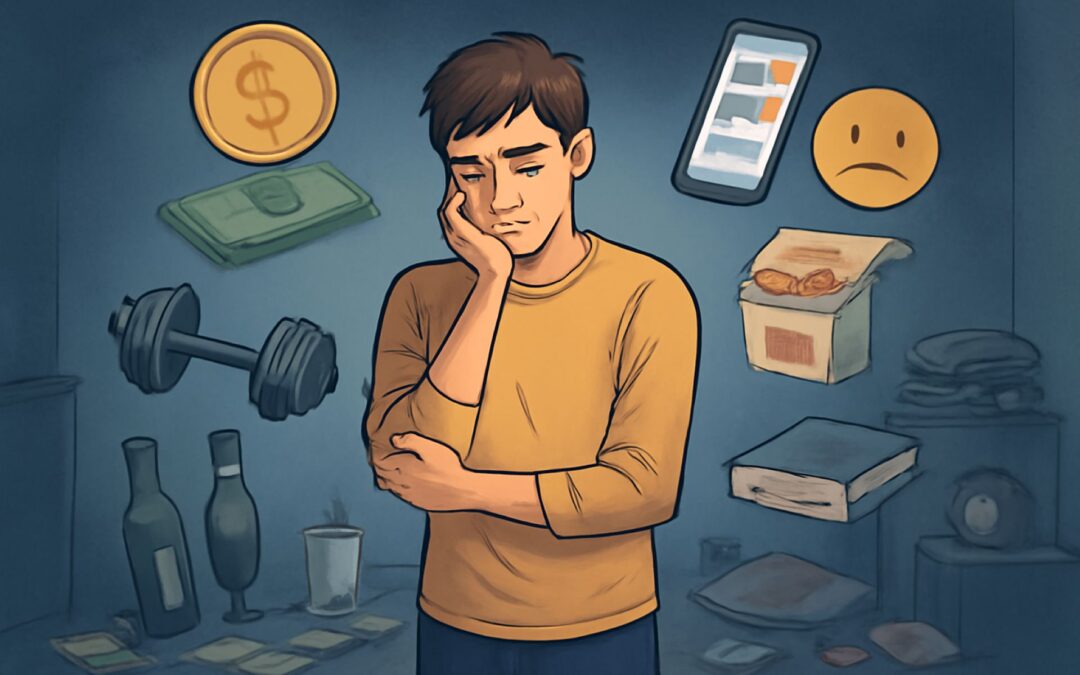
Are you in your 20s, navigating the tumultuous terrain of adulthood? Congratulations, you’re on a thrilling journey of self-discovery and growth! But hey, we get it; it can be a tad bewildering at times. That’s why we’re here—to help you steer clear of those all-too-common pitfalls in your 20s.
So, picture this: You’re in your early twenties, just starting to spread your wings. But wait, don’t you wish someone had handed you a roadmap to avoid the potholes? Well, consider this your roadmap! We’re about to unveil the secrets of dodging the most typical blunders that many folks stumble into during this transformative decade.
From mishandling finances to ignoring self-care, we’re going to discuss it all. But this isn’t just another “avoid these mistakes” lecture. We’re diving deep, sharing real-life examples, and offering actionable strategies that resonate with you—because, well, we’ve been there too.
Ready to make the most of your twenties without the unnecessary hiccups? Great! Let’s dive right in.
1. Not Investing in Yourself
Your 20s are like a blank canvas where you have the opportunity to create the masterpiece that is your life. One of the gravest mistakes during this phase is failing to invest in yourself. This isn’t about just monetary investments, but rather investing time, effort, and dedication in developing your skills and nurturing your passions.
Consider this: your 20s are often characterized by limited responsibilities compared to what awaits in your 30s and beyond. You may not have a family to support, a mortgage to pay, or numerous bills to handle. This unique period grants you the freedom to explore your interests and develop your talents without the burden of overwhelming obligations.
Imagine a scenario where you sail through your 20s without investing in self-discovery and skill-building. Then, as you approach your 30s, you find yourself questioning your purpose and capabilities. You might feel like you’re stumbling in the dark, uncertain of your path. This is a situation many individuals encounter, and it often leads to what’s commonly referred to as a “quarter-life crisis.”
Now, it’s essential to clarify that you don’t need to have your entire life figured out in your 20s; that’s a lofty expectation. However, your 20s should serve as the fertile ground where you plant the seeds of your future self. You’re nurturing the potential, cultivating your character, and honing your skills.
Investing in yourself means dedicating time to exploring your passions, hobbies, and interests. It means acquiring new skills, both professionally and personally. Take courses, attend workshops, read extensively, and engage in experiences that enrich your knowledge and character.
Moreover, consider your 20s as a time to embrace challenges and learn from failures. Don’t shy away from taking calculated risks, as these experiences often provide the most profound lessons. It’s the period where you build the resilience that will serve you well in the years to come.
In essence, your 20s are about laying the foundation for a future where you’re well-equipped, self-aware, and capable of navigating life’s complexities with confidence. By investing in yourself during this critical decade, you’re setting the stage for a fulfilling and purposeful journey ahead. Remember, you don’t need to have all the answers now, but you should be actively seeking them.
2. Neglecting Your Health
Your 20s are often characterized by seemingly boundless energy and a sense of invincibility. Late nights, partying, and shrugging off hangovers might seem like routine activities. It’s easy to believe that your youthful vitality will last forever, but this is a misconception that can lead to a detrimental mistake—neglecting your health.
Picture this: in your 20s, you can conquer flights of stairs with ease, recover quickly from sleepless nights, and bounce back from indulgent weekends without much consequence. Your body seems to be in sync with your adventurous spirit, and the concept of health maintenance feels distant.
However, as the years pass, you’ll start to notice subtle changes. Suddenly, you find yourself getting winded after a short climb, needing an afternoon nap to combat fatigue, and experiencing those unfamiliar aches and pains. It’s as if your body has decided to remind you that you’re not impervious to the effects of time.
The mistake lies in underestimating the importance of maintaining your health during your 20s. While you may not see the immediate repercussions of late nights and unhealthy eating habits, these choices do accumulate. The toll on your body becomes evident sooner than you might expect.
To avoid the shock of a rapid decline in health, it’s crucial to establish healthy habits in your 20s. This doesn’t mean you need to become a health fanatic overnight, but rather, it’s about finding balance.
Start by incorporating regular exercise into your routine. You don’t need to commit to grueling workouts; even a moderate amount of physical activity can make a significant difference. Walking, jogging, or engaging in a sport you enjoy can help maintain your fitness.
Additionally, pay attention to your diet. While indulging occasionally is fine, ensure that you’re nourishing your body with a balanced intake of fruits, vegetables, lean proteins, and whole grains. Avoid excessive consumption of processed foods and sugary drinks.
Furthermore, prioritize getting enough sleep. Your body requires adequate rest to function optimally. Establish a consistent sleep schedule and create a sleep-conducive environment.
Lastly, consider regular health check-ups and screenings. Catching potential health issues early can make a substantial difference in the long run.
Remember, maintaining your health in your 20s is an investment in your future well-being. By adopting healthy habits now, you’re setting the stage for a healthier and more vibrant life as you age.
3. Living in a Fantasy Land
In your 20s, it’s almost second nature to build a bubble around yourself where you are the main character, the star of your own show. This self-centric perspective is not necessarily a bad thing; it’s a phase of self-discovery and personal exploration. However, the danger lies in staying in this fantasy land indefinitely.
Imagine life as a grand theater production where your 20s are the opening act. During this act, you revel in your independence, experimenting with life, and focusing on your immediate surroundings. You might believe that you can evade responsibilities indefinitely, enjoying the thrill of youthful freedom.
But here’s the reality check: responsibilities, commitments, and the complexities of adulthood will eventually catch up with you. This doesn’t mean you have to give up your sense of wonder or imagination, but it does mean that you’ll need to learn how to balance your youthful enthusiasm with practicality.
Embracing adulthood doesn’t mean relinquishing your dreams; it means finding ways to make those dreams sustainable within the context of real-world responsibilities. It’s about building a bridge between your fantasy land and the world of obligations.
While your 20s are a time for exploration and self-discovery, they also provide an opportunity to lay the groundwork for your future. Use this phase to identify your passions, talents, and aspirations. Experiment with different paths and experiences to gain a better understanding of what truly resonates with you.
Eventually, as you transition into your 30s and beyond, you’ll find that the combination of your youthful spirit and the wisdom gained through experiences will make you a more well-rounded individual. The key is to keep the essence of your fantasy alive while integrating it with the realities of adulthood.
In essence, your 20s are a delightful chapter in the larger narrative of your life. Embrace the adventure of self-discovery, but remember that the story doesn’t end here. There’s an entire epic ahead of you, and the lessons learned in this chapter will enrich the pages to come.
4. Not Taking Risks
Your 20s are a time when you can spread your wings and soar into the unknown. Taking risks during this period can lead to exciting discoveries, personal growth, and unforeseen opportunities. However, one of the common mistakes is succumbing to the fear of failure and staying firmly within your comfort zone.
Picture this: you’re in your 20s, and the world is your oyster. You have relatively few responsibilities and obligations, making it the perfect time to experiment and learn. Yet, some individuals choose the path of least resistance, avoiding risks as if they were treacherous pitfalls.
What’s important to understand is that risks are not synonymous with recklessness. They are calculated leaps into the unfamiliar, opportunities to expand your horizons, and chances to unearth your hidden potential. Without risk, personal and professional growth can stagnate.
As you grow older, the stakes tend to get higher. Mortgages, families, and other commitments often reduce the margin for error. What may have been a minor setback in your 20s could become a major obstacle in your 30s or beyond. Therefore, your 20s are the ideal playground for embracing calculated risks.
Think of it this way: taking risks in your 20s is like investing in yourself with the potential for significant returns. It’s about pursuing endeavors that may not guarantee success but promise valuable lessons and experiences. Whether it’s starting a business, embarking on an adventure, or pursuing an unconventional career path, these risks can shape your character and open doors you never thought possible.
So, in your 20s, be brave. Challenge yourself to step out of your comfort zone. Embrace the exhilaration of trying something new, even if it means facing the possibility of failure. The resilience you develop through these experiences will serve as a valuable asset throughout your life.
In conclusion, your 20s offer a unique window of opportunity for taking risks, exploring uncharted territories, and discovering your potential. Embrace these opportunities, for they can set the stage for a life filled with adventure and personal growth.
5. Not Networking
Contrary to the belief that your close-knit squad will remain intact forever, the reality is that life is ever-evolving, and so are your social circles. One common mistake in your 20s is underestimating the importance of networking and forging new connections.
Think about it this way: your 20s are a dynamic period filled with opportunities for growth, both personally and professionally. You’re meeting people from diverse backgrounds, engaging in different activities, and exploring various career paths. It’s a time when you have the freedom to expand your social horizons.
However, some individuals may find it tempting to adopt an anti-social stance, believing that they can navigate life’s challenges on their own. This is a misconception that can limit your growth potential.
Networking is not merely about collecting business cards or social media connections. It’s about building meaningful relationships with people who can offer guidance, mentorship, and support. As you progress in your career and life, you’ll find that having a strong network can open doors and provide valuable insights.
Consider attending social events, industry conferences, and networking gatherings. Engage in conversations with people from various fields, and don’t be afraid to seek out mentors who can share their wisdom and experience. Networking is a two-way street, and it’s also an opportunity for you to offer support and insights to others.
In the age of technology, online networking is just as vital as face-to-face interactions. Platforms like LinkedIn provide an avenue to connect with professionals globally, access valuable resources, and stay updated on industry trends.
Incorporating networking into your 20s can be as natural as making new friends. It’s about cultivating relationships that are based on mutual respect and shared goals. Remember, as you move forward in life, your network will play an increasingly significant role in your personal and professional development.
In summary, your 20s are a prime time for expanding your social and professional circles. Embrace networking as a means to build lasting relationships and gain valuable insights. Your network can be a source of support and opportunities as you navigate the various stages of your life and career.
6. Not Saving Money
Your 20s may be a time of financial independence, but it’s also a period where you’re expected to make some critical decisions regarding money management. One of the most impactful mistakes is failing to save and invest your earnings wisely.
Consider this scenario: you’re in your 20s, enjoying newfound financial freedom. There are no immediate financial burdens like mortgages or child-rearing expenses to worry about. As a result, it’s tempting to spend everything you earn, living for the moment with little regard for the future.
However, this short-term approach can have significant repercussions down the road. The power of compounding interest is at its peak when you start early. Saving even a modest amount and investing it wisely can lead to substantial growth over time.
Financial discipline is a skill that is often overlooked but is invaluable. Learning to budget, save, and invest during your 20s sets the stage for financial stability in the years to come. It’s not about depriving yourself of life’s pleasures but rather about finding a balance between present enjoyment and future security.
Imagine building a habit of saving a portion of your income, whether it’s through a retirement account, investment portfolio, or other vehicles. This habit not only secures your financial future but also instills discipline and responsibility.
Moreover, the act of saving money teaches you the value of delayed gratification. It encourages you to think about your financial goals and make intentional choices that align with those objectives. This discipline can be a guiding force as you navigate the complexities of adulthood.
Your 20s are an opportune time to educate yourself about financial literacy, explore investment options, and seek advice from financial experts. Whether you’re setting aside a small percentage of your income or making substantial investments, the key is to start early and make saving a consistent part of your financial routine.
In conclusion, your 20s offer a golden opportunity to establish financial habits that can shape your future. By saving and investing wisely during this period, you’re not only securing your financial well-being but also cultivating a mindset of responsibility and future-oriented thinking.
7. Not Travelling
Your 20s are an ideal time for exploration and self-discovery, and one mistake to avoid is neglecting the opportunity to travel. Traveling offers a unique avenue for personal growth, cultural enrichment, and expanding your horizons.
Picture this: your 20s are a time when you have the energy, curiosity, and fewer obligations than you might have in later years. It’s a period where you can break free from your daily routine and immerse yourself in diverse cultures, landscapes, and experiences.
Traveling can be a powerful catalyst for personal development. It allows you to step outside your comfort zone, face unfamiliar situations, and adapt to new environments. These experiences foster resilience, adaptability, and a broader perspective on life.
Contrary to popular belief, travel doesn’t always require epic backpacking adventures through far-flung destinations. It can encompass various forms, from city breaks and weekend getaways to cultural exchanges and educational tours. The key is to venture beyond your familiar surroundings and embrace the richness of the world.
Moreover, travel fosters a sense of cultural awareness and empathy. Interacting with people from different backgrounds, witnessing diverse traditions, and appreciating the beauty of our planet can make you a more open-minded and compassionate individual.
Whether you’re exploring ancient ruins, savoring exotic cuisine, or simply taking in the breathtaking scenery, these experiences contribute to your personal growth and help you discover facets of yourself you might not have encountered otherwise.
Incorporating travel into your 20s is not about escapism; it’s about engaging with the world as an active participant. It’s about creating memories, forging connections, and gaining insights that will shape your perspectives and choices in the future.
Additionally, travel offers the opportunity to detach from the hustle and bustle of daily life, recharge your mind, and gain fresh inspiration. It’s a chance to disconnect from screens and connect with the world on a deeper level.
In summary, your 20s are a prime time for exploring the world, broadening your horizons, and cultivating a sense of adventure. Traveling enriches your life with experiences, memories, and a deeper understanding of the world around you. Embrace this opportunity for personal growth and cultural enrichment.
8. Not Being Assertive
Assertiveness is a valuable skill that often gets overlooked in your 20s. Many individuals, especially in the early stages of their careers, may struggle to stand up for themselves or express their needs. This mistake can hinder personal and professional growth.
Imagine this scenario: you’re in your 20s, embarking on your career journey. You may find yourself in situations where you interact with authority figures or experienced colleagues who seem to have all the answers. In such moments, it can be intimidating to assert your opinions or advocate for your needs.
However, not being assertive can lead to missed opportunities and unmet aspirations. Assertiveness is not about being aggressive or confrontational; it’s about expressing your thoughts, concerns, and desires in a respectful and confident manner. It’s a crucial skill for effective communication and personal empowerment.
Consider the benefits of assertiveness: when you can clearly communicate your goals, boundaries, and expectations, you are more likely to have your needs met and your voice heard. It helps you set healthy boundaries, negotiate for what you deserve, and earn the respect of others.
In your 20s, you’re building the foundation for your professional identity and personal development. Being assertive allows you to navigate this phase with confidence. It enables you to take ownership of your choices, advocate for your career advancement, and ensure that your contributions are recognized.
Furthermore, assertiveness is essential for healthy relationships. It enables you to express your emotions and concerns openly, fostering better understanding and connection with others. It’s a valuable tool for resolving conflicts and maintaining harmonious interactions.
Incorporating assertiveness into your 20s involves recognizing your self-worth, developing effective communication skills, and practicing assertive responses in various situations. It’s a skill that may require some effort to master but can profoundly impact your personal and professional life.
In conclusion, assertiveness is a skill that should not be overlooked in your 20s. It empowers you to communicate effectively, set boundaries, and advocate for your needs and aspirations. Embracing assertiveness can lead to personal growth, enhanced relationships, and increased opportunities for success.
9. Not Embracing Failure
Failure is an integral part of life, and your 20s are no exception. Yet, one common mistake during this period is failing to embrace failure as a valuable learning experience.
Imagine this scenario: you’re in your 20s, navigating a world full of opportunities and uncertainties. You may be pursuing higher education, starting a career, or exploring various paths to self-discovery. It’s a time of experimentation, and you’re likely to encounter setbacks along the way.
What’s important to understand is that failure is not a sign of inadequacy or incompetence; it’s a natural consequence of pushing your boundaries and taking risks. In your 20s, you’re still in the process of building your skills, gaining experience, and discovering your strengths and weaknesses.
Failure, whether it’s in academics, career endeavors, or personal relationships, provides crucial feedback that can guide your growth. It teaches resilience, adaptability, and the importance of perseverance. In essence, failure is a stepping stone to success.
By embracing failure, you shift your perspective from viewing it as a setback to seeing it as an opportunity for growth. Each failure presents a chance to assess what went wrong, learn from your mistakes, and refine your approach. It’s a process of self-discovery and self-improvement.
Moreover, the ability to bounce back from failure is a valuable skill that serves you throughout life. It instills confidence in your ability to overcome challenges and adapt to changing circumstances. It’s a testament to your resilience and determination.
Incorporating a healthy attitude toward failure in your 20s involves reframing your mindset. Instead of dwelling on the negative aspects of failure, focus on the lessons it offers. Seek feedback, analyze your experiences, and use them as building blocks for future success.
Remember that some of the most accomplished individuals in history faced multiple failures before achieving greatness. Failure is not a roadblock; it’s a detour on the path to your goals.
In conclusion, your 20s are a time of exploration, and with that comes the inevitable presence of failure. Embrace failure as a valuable teacher, a source of resilience, and a catalyst for personal growth. By doing so, you’ll navigate the challenges of your 20s with wisdom and resilience, setting the stage for future success.
10. Not Prioritizing Self-Care
Self-care, both physical and emotional, is often an overlooked aspect of life in your 20s. The mistake lies in neglecting your well-being and failing to prioritize self-care practices.
Imagine this scenario: you’re in your 20s, juggling academic, professional, and social commitments. It’s a period marked by relentless hustle, where you might put your well-being on the backburner. This can lead to the accumulation of stress, anxiety, and unresolved emotional baggage.
It’s common for individuals in their 20s to believe they can power through life’s challenges without paying much attention to self-care. This mindset often involves pushing through stress, ignoring emotional needs, and neglecting self-compassion.
However, the repercussions of not prioritizing self-care can be substantial. Stress, when left unchecked, can lead to burnout, physical health issues, and mental health challenges. Emotional neglect can result in unresolved traumas and hinder personal growth.
The truth is, self-care is not a luxury; it’s a necessity. It’s about recognizing your physical and emotional needs and taking intentional steps to address them. Self-care practices can include regular exercise, balanced nutrition, adequate sleep, mindfulness, and seeking support from friends, family, or professionals when needed.
Incorporating self-care into your 20s is an investment in your long-term well-being. It’s about finding balance in a busy life, acknowledging that your mental and emotional health are just as important as your professional achievements.
Moreover, self-care promotes self-awareness and self-compassion. It allows you to confront and heal from past traumas, develop resilience in the face of adversity, and maintain a positive relationship with yourself.
To prioritize self-care, start by identifying activities and practices that bring you joy and relaxation. Dedicate time in your schedule for these activities, whether it’s a daily meditation session, a weekly workout, or a monthly self-care ritual. Remember that self-care is not selfish; it’s an act of self-love and self-preservation.
In conclusion, self-care is an essential aspect of navigating your 20s with resilience and well-being. Prioritizing self-care practices ensures that you’re equipped to face life’s challenges and maintain a healthy relationship with yourself. Embrace self-care as a lifelong commitment to your physical and emotional health.
11. Not Seeking Help
In your 20s, there’s often an inclination to prove your self-sufficiency and independence. This mindset can lead to a mistake—failing to seek help when you genuinely need it.
Imagine this scenario: you’re navigating the complexities of your 20s, facing numerous challenges and uncertainties. Whether it’s academic pressures, career decisions, personal issues, or mental health concerns, you might feel compelled to shoulder the burden alone, believing that seeking help is a sign of weakness.
However, this couldn’t be further from the truth. Seeking help is a sign of self-awareness and strength. It’s an acknowledgment that you value your well-being and are willing to take proactive steps to address your challenges. It’s a recognition that no one can navigate life’s journey entirely on their own.
In reality, everyone, at some point, needs guidance, support, or expertise from others. Whether it’s seeking advice from a mentor, confiding in a friend, consulting a therapist, or tapping into a support network, seeking help is a vital resource in your journey of personal growth.
The mistake of not seeking help can lead to unnecessary stress, isolation, and unresolved issues. It can hinder your personal development and create barriers to achieving your goals. It’s essential to recognize that seeking help is a proactive step towards personal growth and well-being.
Moreover, seeking help can be a transformative experience. It provides opportunities for self-reflection, self-discovery, and healing. It can lead to breakthroughs in your personal and professional life, enabling you to overcome obstacles and unlock your full potential.
To overcome this mistake, it’s important to cultivate a mindset that values collaboration, learning from others, and self-improvement. Recognize that seeking help is not a sign of weakness, but a demonstration of your commitment to personal growth and well-being.
In conclusion, your 20s are a time of exploration and self-discovery, and part of that journey involves seeking help when needed. Embrace the idea that seeking help is a sign of strength and self-awareness. By doing so, you’ll navigate the challenges of your 20s more effectively and emerge as a stronger, more resilient individual.
12. Living Only on Social Media
The digital age has brought with it the phenomenon of living life through social media, and this is something to be cautious about, especially in your 20s. The mistake here is allowing social media to become your primary reality, blurring the lines between the virtual world and the real one.
Imagine this scenario: you’re in your 20s, and social media platforms are an integral part of your daily routine. You document every moment, share curated images of your life, and immerse yourself in the online world. While social media can be a valuable tool for staying connected and sharing experiences, it can also lead to an overreliance on virtual interactions.
The danger lies in mistaking the curated versions of people’s lives on social media for reality. It’s easy to fall into the trap of comparison, feeling like your own life doesn’t measure up to the idealized images and lifestyles portrayed by others.
Furthermore, living predominantly on social media can lead to a disconnection from genuine human experiences. The richness of life is often found in face-to-face interactions, exploring the world beyond screens, and engaging with the complexities of real emotions and relationships.
The constant scrolling and consumption of digital content can also lead to decreased focus, increased anxiety, and a distorted sense of reality. It can become a time-consuming distraction that hinders personal growth and meaningful experiences.
To avoid this mistake, it’s essential to strike a balance between your online and offline life. While social media can be a valuable tool for staying connected and sharing your journey, it’s crucial to prioritize genuine human connections, experiences, and personal growth.
Consider setting boundaries for your social media usage, taking regular breaks from screens, and engaging in activities that bring you joy and fulfillment in the physical world. Invest time in building authentic relationships, pursuing hobbies, and exploring the world beyond your devices.
Remember that social media is a curated representation of life, often highlighting the positive moments. It’s not a comprehensive reflection of reality. Embrace the authenticity of genuine human experiences and use social media as a tool to enhance, not replace, your real-world interactions.
In conclusion, while social media has its merits, it’s essential to maintain a healthy balance between the virtual and real worlds in your 20s. Embrace authentic human connections and experiences, and use social media as a tool to complement, not dominate, your life.
13. Not Trading with the Future
Your 20s are a time for exploration, experimentation, and learning. However, one mistake that can hinder your growth is not considering how your actions today impact your future self.
Imagine this scenario: you’re in your 20s, and life feels like an open playground with endless possibilities. You might be tempted to live purely in the moment, making decisions without much thought for the long-term consequences.
While it’s essential to enjoy the present, it’s equally crucial to make choices that benefit your future self. Think of your future self as someone you want to thank rather than resent. This perspective can guide your decision-making process and add purpose to your actions.
Consider the impact of your choices on your future. Will the experiences you’re accumulating now contribute to your personal growth and development? Are you building a foundation for a successful and fulfilling life down the road?
Trading with the future means making conscious decisions that align with your long-term goals and values. It involves setting clear intentions for the person you want to become and taking steps to actualize those aspirations.
For example, investing in education, building financial discipline, and nurturing meaningful relationships are ways to trade with the future. These actions may not yield immediate results, but they contribute to your personal growth and overall well-being in the long run.
It’s essential to strike a balance between living in the present and preparing for the future. Your 20s are an excellent time to lay the groundwork for a life that aligns with your values and aspirations. Think of it as planting seeds that will eventually bloom into a fulfilling life journey.
By actively trading with the future, you create a sense of purpose and direction in your life. You build a roadmap that guides your decisions and actions, ensuring that you’re not merely drifting through your 20s but actively shaping your destiny.
In conclusion, your 20s are a time for exploration, but it’s equally important to make choices that benefit your future self. Embrace a sense of purpose and direction, and actively trade with the future by making decisions that align with your long-term goals and values.
14. Not Setting Good Habits
Your 20s are a pivotal period for establishing habits that can shape your future. However, a common mistake is failing to recognize the significance of these habits and not actively working to cultivate positive ones.
Imagine this scenario: you’re in your 20s, enjoying the freedom of adulthood. It’s easy to succumb to the allure of spontaneity and indulge in short-term pleasures. Yet, the habits you form during this time can have a profound impact on your future well-being and success.
Consider the power of daily routines and habits. These small, consistent actions define who you are as a person and contribute to your personal and professional development. Your 20s are the prime time to start building habits that align with your values and goals.
Research suggests that it takes around 66 days for a habit to become automatic. This means that your 20s provide ample opportunity to establish positive habits that can last a lifetime. Whether it’s cultivating a habit of regular exercise, reading, or financial discipline, the earlier you start, the more profound the impact on your life.
Furthermore, habits serve as a powerful tool for self-improvement and personal growth. They create a sense of consistency and discipline, helping you stay on track when faced with challenges. Habits also free up mental energy, allowing you to focus on higher-level tasks and goals.
To set good habits in your 20s, identify areas in your life where you want to see improvement. Start with small, manageable changes, and gradually build up to more significant shifts in behavior. Consistency is key; make a commitment to practice your desired habits daily.
It’s also essential to hold yourself accountable. Track your progress, celebrate your successes, and learn from setbacks. Surround yourself with a supportive environment that encourages your positive habits and provides motivation.
In conclusion, your 20s are a crucial time for establishing habits that can shape your future. Embrace the power of consistency and discipline by cultivating positive habits that align with your values and goals. Remember that these habits have the potential to enhance your personal growth and overall quality of life.
15. Not Enjoying the Journey
The final mistake commonly made in your 20s is forgetting to savor the journey itself. In the pursuit of goals and ambitions, it’s easy to become so focused on the destination that you overlook the significance of the path you’re on.
Imagine this scenario: you’re in your 20s, setting goals, working hard, and striving for success. It’s a period marked by ambition and drive, but it’s essential not to lose sight of the beauty of the journey itself.
Life is not just about reaching milestones or achieving specific outcomes; it’s about the experiences, growth, and lessons you gather along the way. Your 20s are a unique chapter in your life’s story, and every moment, every triumph, and every setback contributes to the narrative.
The mistake of not enjoying the journey can lead to a sense of emptiness and perpetual restlessness. It’s important to recognize that happiness and fulfillment are not solely reserved for achieving external goals. They can be found in the daily experiences, connections, and personal growth that occur as you navigate your 20s.
Take time to appreciate the present moment. Reflect on your accomplishments and milestones, no matter how small they may seem. Celebrate your progress and the lessons learned from challenges. Find joy in the pursuit of your passions and in the relationships you build along the way.
Moreover, remember that life is dynamic and ever-changing. Embrace the uncertainty and unpredictability of your 20s as an opportunity for growth and self-discovery. Each twist and turn in your journey adds depth to your character and enriches your life story.
In conclusion, your 20s are a time of exploration, growth, and learning, and it’s important to savor the journey itself. Celebrate the present, appreciate your progress, and embrace the beauty of the experiences and relationships that unfold along the way. Life is a journey, not just a destination, and your 20s are a chapter worth cherishing.