
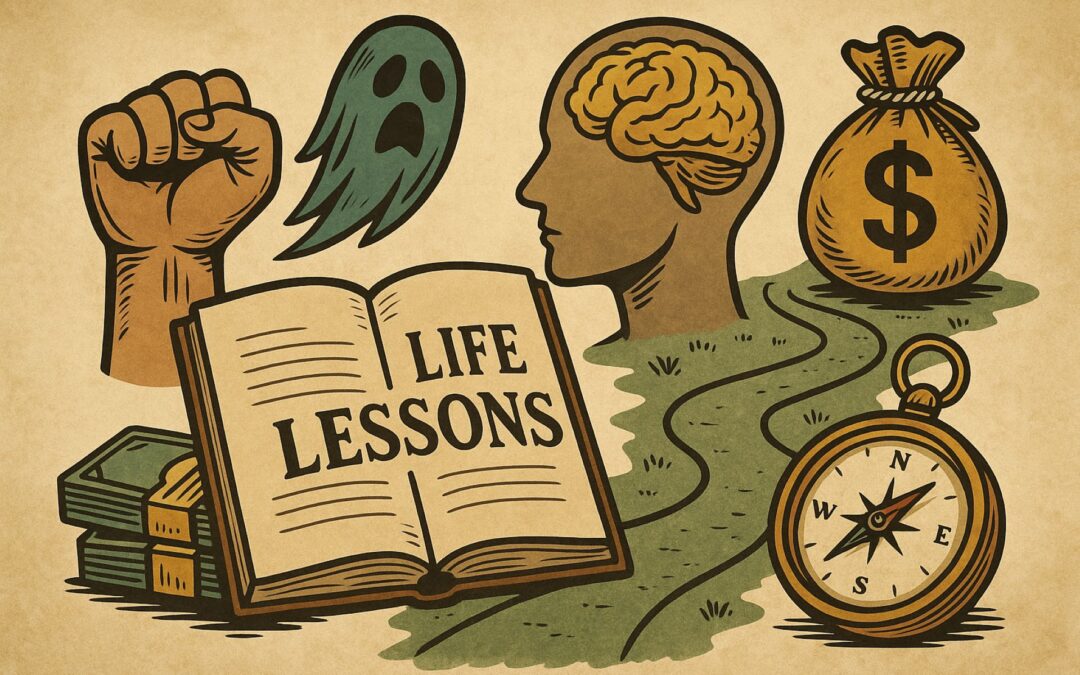
Life is full of lessons, some of which we learn from books, others from mentors, but many are learned the hard way—through experience. These unspoken life lessons often come from the challenges we face, the risks we take, and the personal growth we undergo. They aren’t taught in classrooms or seminars, yet they shape the way we navigate our lives and ultimately define our happiness, success, and fulfillment.
Whether it’s realizing that you’re stronger than you thought, learning to embrace fear, or understanding that money, while not everything, plays a crucial role in achieving freedom, these lessons are vital for shaping a well-rounded and meaningful existence. So, let’s dive into the 15 unspoken life lessons that can transform the way you live, work, and relate to others.
1. You Are Not Made of Glass
It’s easy to feel fragile when life throws its hardest challenges at you. Whether it’s a sudden job loss, the end of a meaningful relationship, or a life-altering move to a new city, these moments can shake us to our core. We often picture ourselves as delicate—something that could break with the slightest push. But that’s a myth. While the emotional weight of these experiences can feel crushing, they don’t break us. In fact, hardship often reveals just how resilient we are. Our ability to withstand these storms is far greater than we initially realize. For example, when someone experiences the grief of losing a loved one, they might feel like they can’t bear it, yet somehow, they do. They find ways to keep going, piece by piece, day by day.
The misconception of fragility comes from an idealized vision of life, where everything is perfect, and discomfort is avoided. In reality, life is messy, unpredictable, and filled with challenges. These very challenges are what strengthen us. It’s like exercising a muscle: the more we push through discomfort, the stronger we become. It’s important to remember that your capacity to endure, adapt, and heal is vast. After difficult events, it’s natural to need time to process, to grieve, or to rest, but never forget that these tough times won’t break you—they’ll eventually forge a more resilient version of you. You are not made of glass; you’re made of grit, perseverance, and the ability to adapt.
2. Fear is Often Overrated
Fear can be a formidable force, often preventing us from taking actions that could change our lives. It’s a survival instinct that has served us well throughout history, alerting us to danger. But in the modern world, this primal instinct often leads to exaggerated, paralyzing fear, especially in situations where the threat is minimal. For instance, many people fear speaking in public, imagining that they will embarrass themselves or be judged harshly. But in most cases, these fears are unfounded. More often than not, the audience is not judging you as harshly as you think, and your message will resonate, even if it’s not perfect.
What’s crucial to understand about fear is that it’s not necessarily a reflection of actual risk. Instead, it’s a reflection of our internal anxieties and insecurities. Fear tends to magnify the worst-case scenario and cloud our judgment. The reality is that most things we fear don’t turn out as badly as we imagine. Fear, then, should not be viewed as an enemy but as a signal that we are stepping outside our comfort zones and growing. Embracing fear, rather than avoiding it, allows us to move forward and pursue our goals, despite the discomfort. Fear is inevitable in the face of change, but it shouldn’t be a barrier. It’s a reminder that we’re pushing ourselves to evolve.
Being fearless doesn’t mean being immune to fear; it means acting despite it. The real power lies not in the absence of fear but in our ability to move forward with it. Every time you face your fear and succeed, it loses its grip on you a little more, building your confidence and allowing you to tackle even bigger challenges in the future. Fear isn’t the thing holding you back; it’s your reaction to it. So, take action despite your fear, and watch how it diminishes over time.
3. Most Skills Have a Short Learning Curve
When you think about learning a new skill, it’s easy to feel overwhelmed by the notion that mastery will take a lifetime of effort. While it’s true that true mastery—like becoming an expert in a particular field—takes years of dedication, becoming proficient in most skills is far quicker than most people assume. Consider learning to drive. Becoming a skilled race car driver may take years of practice, but learning to drive safely from point A to point B is something most people can pick up in a matter of weeks. This principle applies to many skills in life. Whether it’s learning a new language, picking up a musical instrument, or understanding a new software tool, you can become functional in far less time than you think.
The key to this is the difference between competence and mastery. We often assume that we need to master something before it becomes useful, but the truth is, you can be competent—comfortable and capable—much sooner than you might expect. In fact, for most things, becoming familiar with the basics is all it takes to start feeling confident and competent. It’s important to reframe how we view learning. Instead of getting bogged down by the idea that we need to be experts, we should celebrate progress and competence, as these can often be achieved much sooner than anticipated.
This quick learning curve is why it’s worth taking the plunge into new areas of interest. Too often, we shy away from learning something new because we think it will take too much time, but the reality is that with just a few weeks of focused effort, you can gain a basic level of competence and begin to build your skills further. It’s about taking that initial step and realizing that progress doesn’t require perfection—it just requires persistence.
4. Sometimes, Things Just Don’t Work Out
There’s a tendency to push through situations that are clearly not working, convinced that perseverance will lead to success. However, sometimes, despite all our effort, things simply don’t work out. It’s easy to feel defeated or like a failure when that happens, especially when you’ve invested a significant amount of time, energy, and emotion into a project or relationship. But it’s important to understand that just because something doesn’t work out doesn’t mean it’s a personal failure. There are many factors in play—timing, circumstances, and sometimes, just sheer luck—that affect outcomes.
The lesson here is about recognizing when it’s time to let go. This doesn’t mean giving up at the first sign of trouble, but rather knowing when to accept that a particular path or endeavor is not yielding the results you hoped for. If the timing is wrong or the circumstances aren’t right, pushing forward can lead to unnecessary frustration and burnout. Letting go isn’t about defeat; it’s about understanding that not everything is meant to be. Sometimes, the most empowering decision is to walk away and redirect your energy into something more aligned with your passions or goals.
This lesson also applies to personal growth. There will be moments when you realize that something isn’t for you—whether it’s a career, a relationship, or a personal goal. In these moments, it’s essential to acknowledge that failure isn’t the end of the road; it’s simply part of the process. By accepting that things don’t always work out, you allow yourself the freedom to pivot, try new things, and eventually find success on a different path.
5. Address Issues Before They Grow
Small problems, if left unresolved, can turn into massive obstacles over time. This applies to every area of life—from relationships to personal habits to professional challenges. When something bothers you, it’s tempting to ignore it, hoping that it will fix itself or that it’s not significant enough to address. However, failing to address issues when they first arise only gives them the chance to fester. The longer you allow problems to go unaddressed, the more deeply ingrained they become. Over time, what could have been a simple conversation or minor adjustment turns into a serious conflict or a major issue.
This is why it’s so important to tackle problems early on. Whether it’s a miscommunication with a friend, a work-related issue, or even personal habits that affect your health, addressing the problem head-on allows you to resolve it before it escalates. For example, if a colleague’s behavior is bothering you, speaking up right away can prevent bitterness from building up over time. Likewise, if you notice that a small issue—like procrastination or neglecting exercise—has become a habit, addressing it early can prevent it from becoming a chronic issue.
There’s also a mental and emotional benefit to addressing issues promptly. Avoiding confrontation or ignoring problems can lead to stress, anxiety, and resentment. By tackling issues as they arise, you prevent the emotional burden of carrying unresolved problems. This proactive approach not only keeps your life running smoothly but also helps maintain your peace of mind.
6. Health is More Important Than You Think
When you’re younger, it’s easy to feel invincible. You can stay up late, skip meals, and still function like a well-oiled machine. But as time passes, you begin to notice the toll that neglecting your health can take on your body and mind. The shift happens gradually, often catching you by surprise. You may wake up one day with an unexpected ache in your back or feel more fatigued than usual, even after a full night’s sleep. Suddenly, you realize that the body you once took for granted now requires more attention and care.
The truth is, we often don’t appreciate the value of health until it’s compromised. This isn’t just about physical health—mental health plays a huge role too. In a world where we’re constantly bombarded with stress, work pressures, and unhealthy food options, maintaining a balanced lifestyle requires effort and foresight. You can’t simply neglect your well-being and expect to fix it overnight. Achieving good health takes consistent, proactive work, and it’s not a one-time fix. It requires regular exercise, a balanced diet, mental health practices like stress management, and enough rest to allow your body to recover.
The modern world has made it easier than ever to fall into unhealthy habits. Fast food is always convenient, and sedentary lifestyles are the norm. But these choices often have long-term consequences that can affect everything from your energy levels to your mental clarity. Over time, poor health can lead to chronic conditions like heart disease, diabetes, and even mental health disorders like anxiety or depression. Prioritizing health is not just about looking good; it’s about feeling good, having energy, and being able to live a fulfilling life. It’s important to make time for exercise, cook nutritious meals, and take care of your mental health. If you invest in your health today, you’re setting yourself up for a better tomorrow. Don’t wait until you feel the impact of neglect; make your health a priority now, and it will pay off for years to come.
7. Don’t Chase Someone Else’s Dream
It’s easy to get caught up in the expectations and dreams of others, whether it’s society’s definition of success or the path laid out by your family or peers. From a young age, we’re often conditioned to follow a prescribed route: graduate high school, go to college, get a high-paying job, and buy a house. These are the steps that many see as markers of success, but not everyone fits into this mold. The truth is, the pressure to chase someone else’s dream can lead to a life that feels unfulfilling, even if you’re ticking all the boxes society has laid out.
At some point in your life, you will have to break free from this predefined path and create your own. This isn’t about rejecting all social norms or abandoning responsibility—it’s about understanding that your vision of success may look very different from others. You need the courage to pursue what truly excites you, even if it means taking an unconventional route. Maybe you want to start your own business, travel the world, or dedicate yourself to a creative endeavor. No matter what your aspirations are, they should be your own. The pursuit of someone else’s dream can leave you feeling empty, no matter how much money or success you accumulate. True fulfillment comes when you follow your passions, even if they’re not the same as the expectations others place on you.
Creating your own path takes time, reflection, and a willingness to let go of societal pressures. It requires courage to pursue something that may not seem as secure or conventional, but it’s the only way to live authentically. Living someone else’s dream can lead to a life of dissatisfaction, but when you choose to follow your own, you create a life that is meaningful, purposeful, and fulfilling. Don’t let fear or pressure dictate your path; the most rewarding journeys are often the ones that diverge from the norm.
8. You’re Already Living the Life
So many people spend their lives waiting for “the right moment” to begin living. They say things like, “Once I get that promotion, I’ll be happy,” or “When I make more money, I’ll start enjoying life.” However, this mindset overlooks the fact that life is happening right now. Every moment is an opportunity to live fully, and there’s no magical point in the future where your life truly begins.
The truth is, you’re already living the life you’ve been waiting for. If you keep deferring your happiness or the idea of “living fully” to some point in the future, you’ll miss out on the present. It’s easy to get caught up in the future—dreaming of the day when you’ll have everything figured out or when your goals are fully realized. But life doesn’t start when you reach a specific milestone; it’s happening right now. Whether you’re at the beginning, the middle, or the end of a journey, the experiences, relationships, and moments that shape your life are already here.
Think about it: there are 7.8 billion people around the world, all living their own version of life. You’re part of that great expanse, and your life has already begun. The question is not when you’ll start living; it’s how you’ll live in the present. There’s no need to wait for the perfect conditions to start enjoying life. Whether you’re working towards a career, enjoying simple pleasures, or nurturing relationships, all of that is part of the life you’ve already started. So, stop waiting for the future and start living the life you have now. Life is what you make of it today, not some idealized version of the future.
9. Take Fewer Risks, But Take Them Wisely
It’s easy to get caught up in the allure of big risks—stories of entrepreneurs who gambled everything and made millions can be tempting. But the truth is, most high-stakes risks don’t pay off in the way we imagine. Playing it safe is often the smarter option. While the stories of those who took huge gambles and won are memorable, they represent an exception, not the rule. For every success story, there are countless others where risks led to failure, loss, or regret.
Instead of taking reckless, high-risk gambles, focus on making strategic, well-informed decisions. Calculated risks are often the best path forward. These are the risks that are taken after careful thought, research, and a clear understanding of the potential outcomes. For example, investing in a business or market might seem like a big leap, but if you have the knowledge, resources, and a solid plan in place, the risk becomes far less daunting. The key is not to gamble blindly but to take risks that are supported by data, experience, and careful planning.
One of the biggest dangers of taking excessive risks is the potential for financial instability, emotional strain, or long-term consequences. The idea that big risks always lead to big rewards is a myth. Instead, make smart choices based on informed decisions and measured risks. In business, relationships, or personal growth, being steady and thoughtful will serve you better than reckless gambles. Small, incremental risks, when managed properly, lead to steady growth and stability.
10. You Get Three Fun Slots
As life becomes more stable, you may find that you have more time and resources to dedicate to personal enjoyment—these are what we refer to as “fun slots.” These slots are essentially activities or experiences that you engage in purely for fun, without any other agenda. Think of them as a reward for all the hard work, stress, and effort you put into other areas of your life. These fun slots are important because they offer a sense of balance, ensuring that life isn’t consumed entirely by responsibilities and obligations.
However, it’s crucial to recognize that life isn’t about indulging in endless entertainment or distractions. Having a limited number of “fun slots” helps you prioritize what truly brings you joy. You might have two regular fun slots, like playing a sport or learning a new hobby, and one more seasonal or special activity, such as traveling or participating in a specific event. These slots aren’t about filling up your calendar with endless activities; they’re about creating intentional, enjoyable experiences that contribute to a fulfilling life.
What’s more, allocating these slots wisely ensures that you enjoy them without guilt. In our busy lives, it’s easy to feel that we must always be working, striving, or achieving. But fun isn’t just a luxury—it’s a necessary part of a well-rounded, healthy life. The time you invest in enjoyment recharges you and keeps you motivated in other areas of your life. Whether it’s indulging in a creative hobby, spending time with loved ones, or traveling, these fun slots give you the space to unwind and truly live in the moment. So, don’t feel guilty about enjoying life—those moments of fun are well-deserved rewards for all your hard work.
11. Money Matters More Than You Think
It’s often said that money can’t buy happiness, but the reality is more nuanced. While it may not guarantee happiness in itself, money is a tool that can eliminate many of the stressors and obstacles that hinder our well-being. Financial stability gives you the freedom to focus on what truly matters—your health, relationships, personal growth, and peace of mind. It’s not about accumulating wealth for the sake of luxury or status; it’s about having the resources to create a life that is secure and fulfilling.
Think of money as a means to an end, not the end itself. With financial security, you can afford to take care of your basic needs without constantly worrying about bills or unforeseen emergencies. This foundation of stability gives you the freedom to pursue other important aspects of life. For example, you can prioritize your health without the added stress of financial insecurity, or you can invest in your education, hobbies, and passions without worrying about where your next paycheck will come from.
Additionally, financial independence allows you to provide for others, whether it’s your family, friends, or even charitable causes you care about. The ability to help others, whether financially or in other ways, brings a sense of fulfillment and purpose. On the flip side, financial instability can lead to constant stress, affecting your mental and physical health, and limiting your ability to focus on anything beyond survival.
It’s important to prioritize your financial well-being. Build a budget, start saving, and invest in your future. While money isn’t everything, it certainly makes life easier and gives you the freedom to enjoy other meaningful aspects of life. Don’t underestimate the power of financial security—it’s one of the most powerful tools you can have in shaping the life you desire.
12. Titles Are Earned, Not Given
Throughout life, you earn various titles—whether that’s as a student, employee, entrepreneur, parent, or friend. These titles come with certain expectations and responsibilities. However, titles are not permanent. Just because you once achieved something or held a particular role doesn’t mean you’ll forever embody it. For instance, if you were a successful entrepreneur ten years ago but haven’t been involved in business since, you can’t still call yourself an entrepreneur in the present. The title is only valid as long as you continue living up to the expectations that come with it.
The impermanence of titles is a freeing realization. It means that you can continuously reinvent yourself and focus on the titles that truly resonate with where you are in life right now. If you were once known as an athlete but have since stopped caring for your physical health, it’s time to reassess your identity. Similarly, if you once prided yourself on being an excellent friend but have allowed those relationships to slip, it’s time to invest in them again.
The beauty of understanding this concept is that you can let go of outdated identities and focus on the person you want to become. Titles should be earned and maintained, and it’s up to you to decide which ones matter to you. Whether you want to be known as a creator, leader, or partner, you can earn that title through your actions, not just by past accomplishments. It’s a reminder that you are in control of the narrative you build around yourself, and you can choose to continually grow into the person you aspire to be.
13. Self-Discipline is the Ultimate Power
Self-discipline is the bedrock upon which success is built. It’s the ability to consistently take the right actions, regardless of whether you feel like it or not. Self-discipline is what allows you to reach your long-term goals, as it helps you resist short-term temptations and distractions that could derail your progress. It’s not about having perfect willpower or being superhuman; rather, it’s about being able to consistently show up, put in the work, and stick to your commitments over time.
This skill is crucial because most goals are achieved through small, consistent actions. Whether you’re trying to improve your physical health, build a business, or learn a new skill, the results come from daily practice and perseverance. Self-discipline means doing the things that need to be done even when they’re not enjoyable, when you’d rather procrastinate, or when obstacles arise. It’s about pushing yourself when motivation fades, when things get hard, and when you’re tempted to give up.
What makes self-discipline so powerful is that it unlocks the ability to shape your future. When you commit to practicing self-discipline, you make it easier to achieve everything you’ve set out to do. This includes developing positive habits, maintaining healthy routines, and accomplishing long-term goals. Self-discipline is also the key to overcoming procrastination, staying focused, and cultivating consistency. Although it’s difficult to master, once you do, there is very little that can stop you from achieving your aspirations.
While self-discipline is hard to build and requires ongoing effort, it’s also one of the most rewarding skills you can develop. It transforms the way you approach challenges, making them more manageable and ultimately more achievable. The more self-disciplined you become, the more in control you are of your life, and the more you can achieve, no matter how big or small the goal.
14. Don’t Avoid Annoying People or Situations
We all have that one person or situation that irritates us. Maybe it’s a colleague who constantly interrupts, or a friend who always cancels plans. It’s natural to want to avoid these uncomfortable interactions, but constantly sidestepping annoying people or situations only leads to greater stress in the long run. At some point, we all have to confront the things that bother us, rather than constantly avoiding them. By addressing these situations directly, you can mitigate their impact and prevent them from escalating into larger problems.
Avoidance is often a temporary solution. It may seem easier in the moment to ignore a conflict or hope that someone’s annoying behavior will go away, but this only builds tension and frustration over time. Whether it’s an unresolved issue at work, a relationship problem, or a minor inconvenience, the longer you wait to address it, the more power it has over you. Instead of avoiding, learn to address the issue in a calm, constructive way. Sometimes, this means having difficult conversations, setting boundaries, or simply confronting your own discomfort.
It’s important to recognize that you don’t need to be friends with everyone, nor do you need to tolerate behaviors that make you uncomfortable. But by developing the ability to engage with annoying people and situations, you’ll find that you can resolve conflicts more effectively and maintain your peace of mind. Navigating these uncomfortable moments builds emotional intelligence and resilience. It also frees up mental and emotional energy that unaddressed frustrations would otherwise consume.
Learning how to manage these situations means you’re less likely to feel weighed down by them, and you’re more capable of maintaining your composure and focus. Facing annoyances directly makes life easier and more fulfilling in the long term because you no longer carry the burden of unresolved issues.
15. Develop a Personal Philosophy
A personal philosophy is like a compass for life. It’s the set of beliefs, values, and principles that guide your decisions and shape your actions. Without a personal philosophy, it’s easy to get lost or swept up by the pressures and distractions of life. People who lack a clear life philosophy often feel aimless, reacting to external circumstances rather than making intentional decisions based on what they truly value. When you develop a personal philosophy, you give yourself direction and clarity, making it easier to navigate life’s challenges.
Your philosophy is shaped by your experiences, your reflections, and your understanding of what truly matters. It’s a combination of your core values, goals, and worldview. For example, if you value honesty, you’ll make decisions that align with that value, even when it’s difficult. If you prioritize health, your philosophy will lead you to make choices that support your well-being, such as exercising regularly and maintaining a balanced diet. A personal philosophy helps you stay grounded in moments of uncertainty, guiding you toward decisions that align with your long-term vision rather than your immediate impulses.
Living with a personal philosophy doesn’t mean you’ll never face challenges or doubt. But it provides a framework that helps you stay true to yourself in the face of adversity. It enables you to live intentionally, making choices that align with your beliefs and aspirations. The key is to take the time to reflect on what truly matters to you, and then structure your life around those values. This process can take time, but it’s incredibly rewarding. It gives you a sense of purpose, fulfillment, and inner peace, because you are living in alignment with your truest self.
Conclusion
Life’s unspoken lessons are the kind of wisdom that comes from real experience, not theory. They remind us that we are capable of far more than we often give ourselves credit for, and that the path to fulfillment requires us to make conscious choices aligned with our values. Whether you’re dealing with hardship, pursuing a new path, or simply navigating the day-to-day complexities of life, these lessons can guide you toward a more grounded and purposeful existence.
By embracing the challenges, learning from the failures, and living in alignment with your true self, you can unlock a life of deeper meaning, balance, and success. Life is not just about surviving—it’s about thriving, and these lessons are the tools that will help you do just that.