

In a world where knowledge is power, the books we choose to read can shape our minds, influence our decisions, and elevate our understanding of the world around us. But with so many options available, which books truly have the potential to make us smarter? Whether you’re looking to improve your decision-making, enhance your creativity, or gain a deeper understanding of the universe, certain books stand out for their ability to transform the way we think. From exploring the intricacies of the human mind to unraveling the mysteries of the cosmos, these 15 books are more than just a read—they’re a gateway to intellectual growth. In this article, we’ll delve into each of these powerful books and how they can help you unlock new levels of insight and intelligence.
1. Thinking, Fast and Slow by Daniel Kahneman
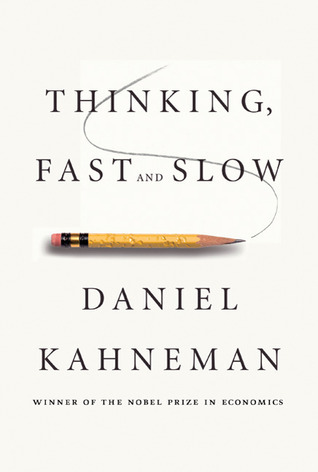
Daniel Kahneman’s Thinking, Fast and Slow is a deep dive into the way human minds process information, make decisions, and navigate the world. Kahneman, a Nobel laureate in economics, reveals that our thinking operates on two distinct systems: System 1 and System 2. These systems constantly interact, guiding our actions and decisions—often without us even realizing it.
System 1 is fast, automatic, and unconscious. It’s the thinking that happens effortlessly and without intention. When you recognize a face in a crowd or when you’re driving a familiar route, you’re operating in System 1. It makes quick decisions, relying on intuition, heuristics (mental shortcuts), and experience. While System 1 is efficient and helps us navigate daily life, it can lead to errors in judgment. Biases such as confirmation bias, anchoring bias, and availability bias—where we favor information that’s easier to recall—can shape our decisions in inaccurate ways. For example, when making decisions about buying products based on how easily we recall an advertisement or a review, we are often unknowingly influenced by the availability bias.
System 2, on the other hand, is slower, more deliberate, and conscious. It’s the system we engage when we solve a complex problem, make a well-thought-out decision, or reflect on a situation that requires more than just gut instinct. System 2 demands attention and cognitive resources. This is where rational thinking, logical reasoning, and deeper analysis come into play. It is also more energy-draining, which is why we often avoid using it unless absolutely necessary.
Kahneman’s exploration of these two systems gives readers valuable insights into their own thinking patterns. He explains how these systems work together, and more importantly, how they sometimes clash. For instance, System 1 might make a snap decision based on a quick judgment, while System 2 might later recognize that decision as faulty upon closer inspection. Understanding this internal tug-of-war can help individuals recognize when they are likely to make errors and avoid biased thinking.
By delving into cognitive biases, framing effects, and the ways in which emotions impact decision-making, Kahneman provides a roadmap to better judgment and decision-making. He offers strategies for mitigating the errors we make while navigating life, such as slowing down and consciously engaging System 2 when a more considered decision is necessary. This book provides not only an understanding of human psychology but also actionable insights into how we can improve our thinking and make better choices, both in our personal and professional lives.
2. Atomic Habits by James Clear

James Clear’s Atomic Habits is a game-changing guide to understanding and mastering the habits that shape our lives. Clear argues that small, consistent changes—atomic habits—are the key to achieving monumental results. His approach is based on the idea that habits compound over time. The small adjustments you make today can have a huge impact on your life years down the road. This is the core of what Clear refers to as “atomic habits”: tiny, almost imperceptible actions that, when compounded, lead to profound, lasting transformations.
Clear introduces readers to the Four Laws of Behavior Change, which are central to creating and sustaining new habits:
- Make it obvious: This first law emphasizes the importance of cues or triggers for behavior. Clear suggests changing your environment to make cues for good habits more visible and cues for bad habits less prominent. For example, if you’re trying to eat healthier, placing fruits on the kitchen counter where you can easily see them will remind you to make healthier food choices. The more you make a behavior obvious, the easier it becomes to follow through.
- Make it attractive: Habits stick better when they are tied to rewards or positive feelings. Clear draws from neuroscience, explaining how dopamine plays a critical role in forming habits. To make a habit more attractive, link it to something you enjoy. For example, if you’re trying to make exercise a regular habit, pair it with something enjoyable, like listening to your favorite music or podcast while working out.
- Make it easy: One of the reasons we fail to maintain habits is because we make them unnecessarily complicated. Clear emphasizes the importance of simplifying behaviors to the point that they require minimal effort. For instance, if you want to read more, start with reading just one page a day. The goal isn’t to challenge yourself at the beginning, but to create a habit that you can stick to effortlessly.
- Make it satisfying: The final law is about rewarding yourself for the behavior you want to reinforce. Positive reinforcement ensures that your brain will associate the habit with pleasure, making it more likely that you will repeat it. This could be something as simple as tracking your progress in a habit tracker app or celebrating small wins after a workout. The more satisfying the experience, the more you’ll be motivated to repeat it.
Clear also addresses how to break bad habits using these same principles in reverse. He teaches readers to make bad habits invisible, unattractive, difficult, and unsatisfying. Through these strategies, Atomic Habits shows that true change doesn’t require willpower or drastic transformations—it’s about making small adjustments that, over time, build up into significant personal growth.
What sets Atomic Habits apart is Clear’s ability to break down complex scientific concepts into practical, actionable steps. Through his framework, anyone can develop good habits, break bad ones, and consistently improve their life with minimal friction.
3. A Brief History of Time by Stephen Hawking
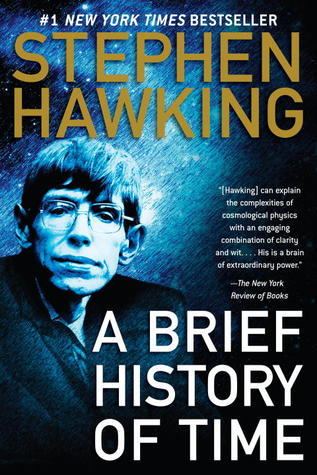
Stephen Hawking’s A Brief History of Time is a groundbreaking exploration of some of the most profound questions in physics, cosmology, and the nature of the universe itself. Written for the general public, the book is a brilliant attempt to explain complex scientific ideas in a way that is accessible to non-scientists. It explores a range of topics, from the Big Bang and black holes to the nature of time and the possibility of multiple universes.
The central theme of A Brief History of Time revolves around the concept of time itself. Hawking introduces the idea that time may not be as simple as it appears. Traditionally, we think of time as linear—one moment following another. However, Hawking explains that time might behave differently near the event horizon of black holes or under extreme conditions of the cosmos. He presents time as a dimension in the same way that space is, with the theory of relativity showing that time can be warped and stretched by gravity.
Another key concept discussed in the book is the Big Bang theory, which suggests that the universe originated from a singular point and has been expanding ever since. Hawking delves into the evidence for this theory, explaining how the observable universe is constantly stretching, supported by the discovery of cosmic microwave background radiation. The book also covers black holes—regions of space where gravity is so strong that not even light can escape. Hawking offers insights into how black holes form, what happens inside them, and their relationship to the broader understanding of the universe.
One of the book’s most exciting concepts is the idea of a unified theory of physics, which seeks to explain all of the forces in the universe—gravity, electromagnetism, the strong nuclear force, and the weak nuclear force—within one comprehensive framework. Hawking explains how scientists have long sought a “Theory of Everything,” which would unify these forces into a single mathematical model.
What makes A Brief History of Time particularly remarkable is that it engages with the mysteries of the universe without requiring a deep background in mathematics or advanced physics. Hawking carefully crafts each section to build upon the last, making abstract concepts easier to understand. The book is not just a scientific treatise—it’s a journey into the heart of the universe, encouraging readers to think about the cosmos in new and profound ways.
Ultimately, A Brief History of Time challenges our understanding of the universe and our place within it. It explores the deepest questions that science has yet to answer, offering readers the tools to contemplate the vastness of the cosmos with wonder and awe.
4. Sapiens: A Brief History of Humankind by Yuval Noah Harari
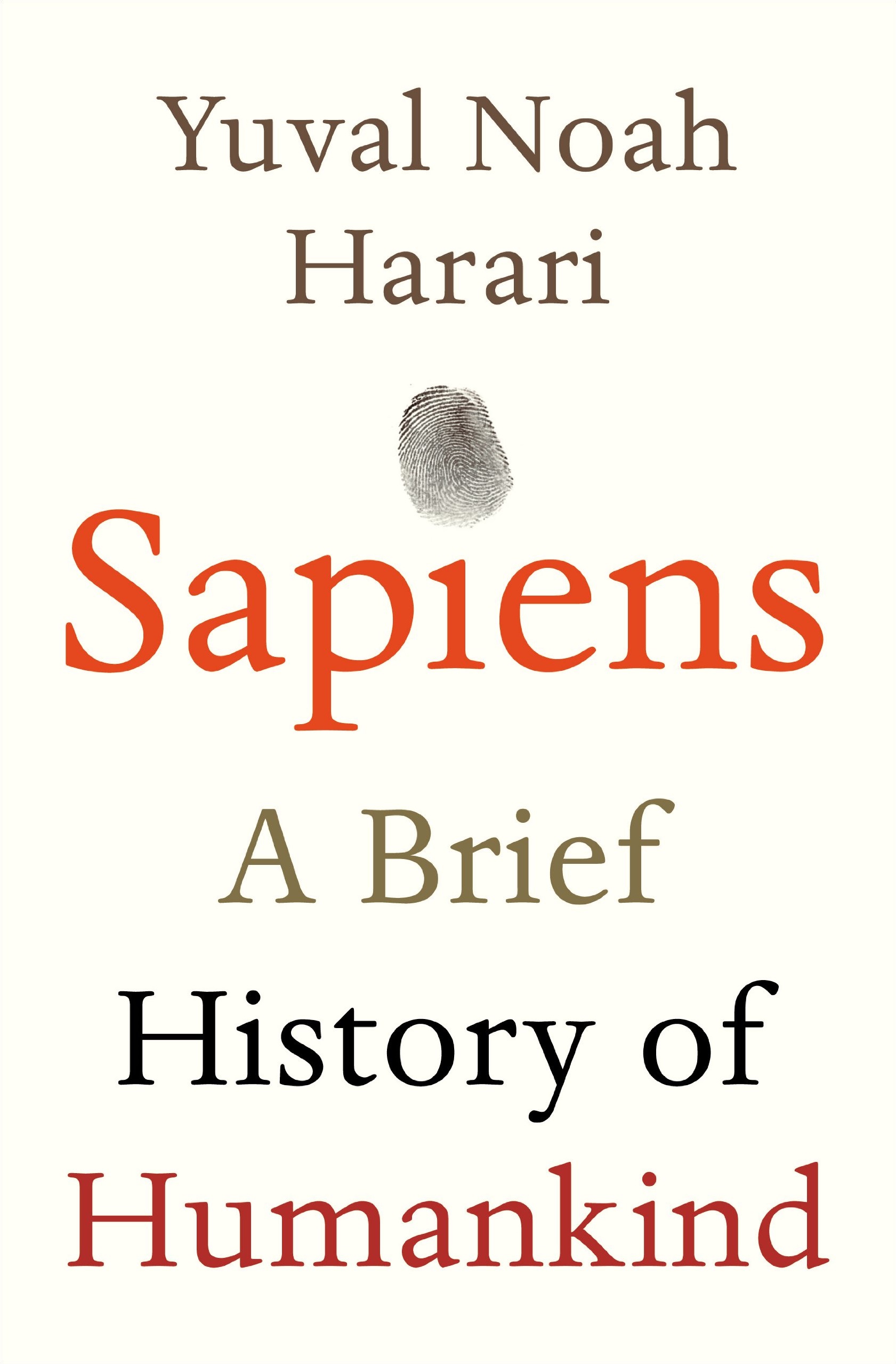
Yuval Noah Harari’s Sapiens takes readers on a fascinating and thought-provoking journey through the history of humanity, tracing the origins, evolution, and impact of Homo sapiens from the dawn of the species to the present day. Harari’s unique perspective blends anthropology, history, and philosophy, creating a sweeping narrative that challenges conventional beliefs and offers fresh insights into the trajectory of human civilization.
One of the central themes in Sapiens is the Cognitive Revolution, which occurred around 70,000 years ago. This revolution marks the point at which Homo sapiens gained the ability to think and communicate in more complex ways, leading to the development of language, culture, and society. Harari suggests that this cognitive leap allowed Homo sapiens to outcompete other species, such as Neanderthals, and enabled humans to cooperate in large groups, create complex social structures, and build civilizations.
The next pivotal moment in human history is the Agricultural Revolution, which Harari argues fundamentally changed the way humans lived. With the advent of agriculture, humans transitioned from being nomadic hunter-gatherers to settled farmers. This shift allowed populations to grow and civilizations to form, but it also led to the rise of inequality, the emergence of social hierarchies, and the domination of nature. Harari critiques the Agricultural Revolution, suggesting that while it brought about technological advances and the development of cities, it also led to environmental degradation and a less egalitarian society.
Harari continues his exploration by delving into the rise of empires, monotheism, and capitalism, three driving forces that have shaped the modern world. He explains how the birth of empires, with their vast territorial expansions, created a global framework for trade, culture, and ideas. Similarly, the spread of monotheism, particularly through religions like Christianity and Islam, helped unify large populations under a common belief system, influencing laws, governance, and social structures. The development of capitalism, Harari argues, was the driving force behind the modern economy and the rapid technological progress of the past few centuries, but it also brought about economic inequality and social divisions.
Sapiens provides a thought-provoking look at how human societies have evolved, how power structures have been created and maintained, and how technological and cultural revolutions have shaped the world we live in. Harari’s challenge to conventional wisdom invites readers to question the narratives that shape our understanding of human history and consider the forces that continue to shape our future.
5. The Power of Habit by Charles Duhigg
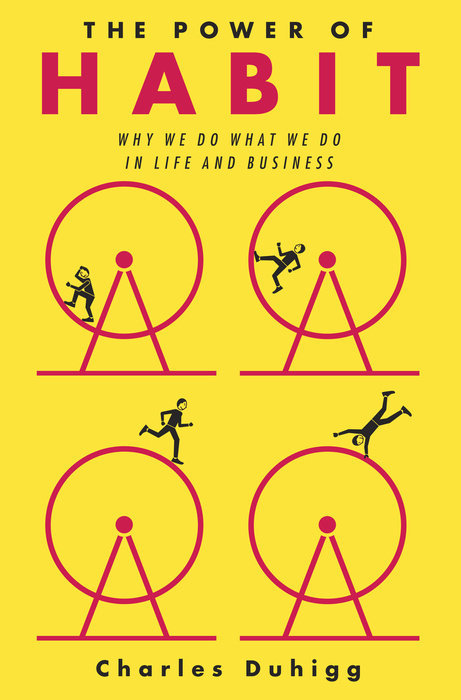
Charles Duhigg’s The Power of Habit is a comprehensive exploration of how habits work, why they form, and how they can be transformed. Drawing from psychology, neuroscience, and personal stories, Duhigg uncovers the science behind the behaviors that drive our lives, both on a personal and organizational level. The book emphasizes that habits are not just personal quirks but deeply embedded patterns that influence our productivity, health, and success.
One of the key concepts Duhigg introduces is the Habit Loop, which is made up of three components: the cue, the routine, and the reward. The cue is the trigger that prompts the habit, whether it’s an external event or an internal feeling. The routine is the behavior or action that follows, and the reward is the positive reinforcement that reinforces the habit. Understanding the habit loop is crucial because it reveals how habits are formed and why they are so difficult to break. Duhigg explains that by identifying the cue and the reward, we can change the routine, creating new habits that align with our goals.
Duhigg also discusses the concept of keystone habits, which are habits that have a disproportionate impact on other areas of life. For example, habits like regular exercise or maintaining a healthy sleep schedule can lead to improvements in other habits, such as eating better or being more productive at work. By focusing on keystone habits, individuals can create a ripple effect that leads to broader, positive changes in their lives.
The book also delves into the social and organizational aspects of habits, showing how habits influence not only individual behavior but also organizational success. Duhigg explores how companies, such as Starbucks and Alcoa, have used habit-forming techniques to create high-performing teams, increase productivity, and foster a culture of excellence. He also examines how social movements and entire communities can create lasting change by leveraging collective habits.
The Power of Habit is a guide to understanding how habits shape our lives and how we can transform them to achieve our personal and professional goals. Duhigg’s blend of scientific research and real-life examples makes this book a valuable resource for anyone looking to break bad habits and create new ones that lead to greater success and fulfillment.
6. Made to Stick by Chip and Dan Heath
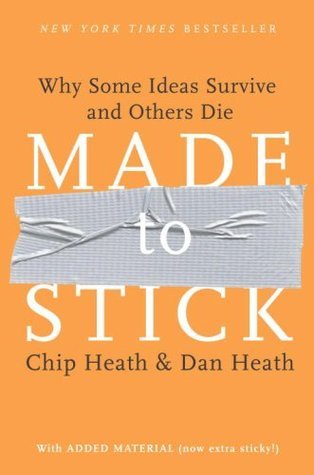
Chip and Dan Heath’s Made to Stick is a masterclass in communication, focusing on how to make ideas memorable, impactful, and effective. In a world flooded with information, getting your message to stick is more challenging than ever. The Heath brothers break down the elements that make ideas “sticky” and provide a practical framework for communicating in ways that resonate with audiences, whether you’re delivering a marketing pitch, presenting an idea at work, or telling a story.
The central concept in Made to Stick is the SUCCESs model, an acronym that stands for Simple, Unexpected, Concrete, Credible, Emotional, and Stories. Each element represents a key principle that makes an idea memorable and impactful:
- Simple: The Heath brothers argue that simplicity is essential for making an idea stick. The core message should be clear and easy to understand. Rather than overwhelming your audience with complexity, focus on the one most important thing you want them to remember.
- Unexpected: To capture attention and engage your audience, you need to surprise them. By introducing an element of surprise, you create curiosity, which increases the likelihood that your audience will remember your message. The unexpected helps break through the noise of everyday information.
- Concrete: Concrete details help make abstract ideas more tangible and understandable. The more specific and detailed your message is, the easier it is for the audience to grasp and remember. Using vivid imagery, metaphors, or analogies can make your message more concrete and memorable.
- Credible: To make your ideas stick, they need to be believable. The Heath brothers emphasize the importance of establishing credibility, whether through expert testimony, statistics, or real-life examples. When your audience believes in the reliability of your message, they are more likely to accept and remember it.
- Emotional: People are more likely to care about ideas that evoke emotions. Whether it’s joy, sadness, fear, or inspiration, emotional resonance makes ideas more powerful. When people feel something, they are more likely to act on it and remember it long after the encounter.
- Stories: The Heath brothers argue that storytelling is one of the most powerful tools for making ideas stick. Stories are inherently engaging, and they help people relate to and internalize messages. By weaving a narrative around your idea, you make it easier for your audience to remember and connect with your message.
Through engaging anecdotes and case studies, Made to Stick illustrates how these principles can be applied in a variety of contexts. The book provides valuable insights into how ideas spread, how movements gain momentum, and how organizations can craft messages that leave a lasting impact.
Whether you are a marketer, a leader, or someone who simply wants to communicate more effectively, Made to Stick offers practical strategies for creating messages that are not only memorable but also actionable. The book empowers readers to shape their ideas in a way that ensures they resonate with audiences and stand the test of time.
7. Brief Answers to the Big Questions by Stephen Hawking

Stephen Hawking’s Brief Answers to the Big Questions is a reflective exploration of some of humanity’s most profound questions, delving into topics that have captivated philosophers, scientists, and thinkers for centuries. Known for his groundbreaking work in theoretical physics, Hawking addresses some of the most complex and intriguing questions regarding the universe, life, and the nature of existence. The book is accessible to readers without a background in science, offering profound insights that encourage curiosity and contemplation.
One of the central themes of the book is the nature of the universe. Hawking explains the origins of the universe, beginning with the Big Bang, and offers insights into the ongoing expansion of the cosmos. He delves into the concept of black holes and how they work, including his famous theory of black hole radiation. In doing so, he introduces the reader to the fundamental concepts of modern cosmology, helping readers understand the universe’s physical laws and how they shape reality.
Hawking also tackles some of the most important philosophical questions of our time. One of the most thought-provoking questions he addresses is whether the universe has a creator. Although he does not dismiss the possibility of God, Hawking suggests that the laws of physics may be sufficient to explain the origin of the universe, without the need for a divine creator. This perspective challenges traditional views of religion and opens the door for deeper reflection on the relationship between science and spirituality.
Another major theme is the existence of extraterrestrial life. Hawking explores the possibility of life beyond Earth, considering the conditions under which life could arise on other planets. He discusses the ongoing search for extraterrestrial intelligence (SETI) and the potential implications of making contact with alien civilizations. This section of the book highlights both the excitement and the risks of such discoveries, prompting readers to consider humanity’s place in the vastness of the universe.
Finally, Hawking addresses the future of humanity, particularly the possibility of artificial intelligence (AI). He explores the potential benefits and risks associated with AI, discussing how intelligent machines could reshape society in profound ways. While he acknowledges the potential for AI to revolutionize industries and solve complex global problems, he also cautions that unchecked AI development could pose existential threats to humanity.
In Brief Answers to the Big Questions, Hawking presents a captivating exploration of scientific and philosophical inquiry. His ability to break down complex ideas into clear and digestible explanations allows readers to engage with some of the most important and timeless questions in science, philosophy, and human existence.
8. Astrophysics for People in a Hurry by Neil deGrasse Tyson
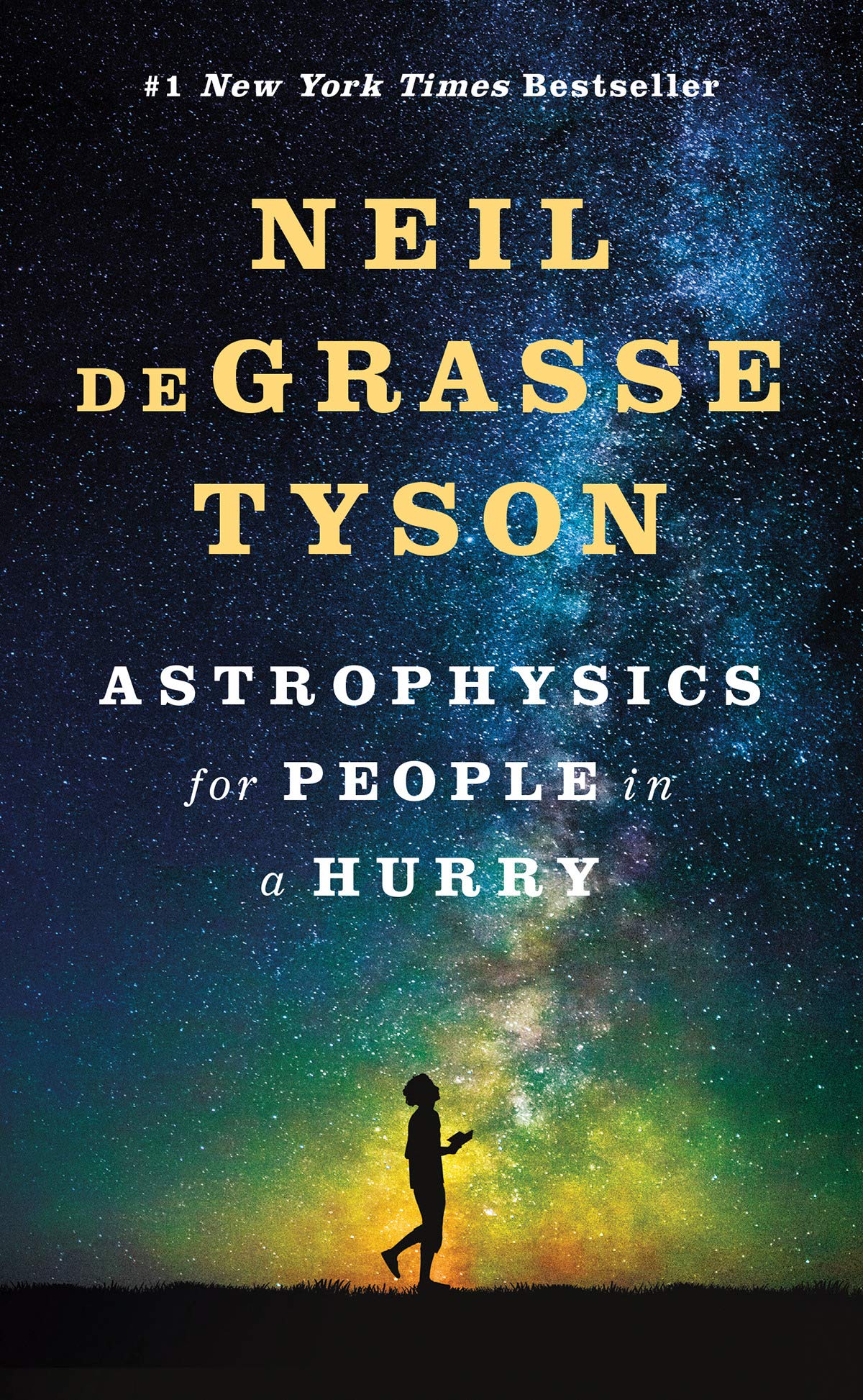
Astrophysics for People in a Hurry by Neil deGrasse Tyson is an accessible and concise introduction to the wonders of the cosmos. Tyson, one of the most well-known astrophysicists and science communicators, takes readers on a journey through space and time, explaining some of the most fascinating and perplexing phenomena in astrophysics. The book’s structure is designed for readers with limited time but a curiosity about the universe, providing quick yet informative insights into topics ranging from the Big Bang to dark matter.
The book opens with a brief overview of the Big Bang Theory, which explains the origin of the universe. Tyson introduces the concept that the universe began from a singular point—an event known as the Big Bang—approximately 13.8 billion years ago. This expansion continues today, as evidenced by the redshift of distant galaxies. Tyson then explains the nature of space-time, the fabric of the universe that is influenced by gravity and the presence of mass. He discusses how mass bends space-time, leading to the gravitational forces that govern the motion of celestial bodies.
One of the most engaging aspects of the book is Tyson’s exploration of dark matter and dark energy, two of the most mysterious and elusive concepts in astrophysics. Tyson explains that while visible matter makes up only a small fraction of the universe, dark matter and dark energy account for the majority of the universe’s mass and energy. Despite their dominance in the cosmos, scientists are still unsure of what these phenomena are or how they behave. Tyson’s ability to make these complex ideas approachable for general readers is one of the highlights of the book.
Tyson also touches on black holes, the regions of space where gravity is so intense that nothing, not even light, can escape. He explains how black holes form and what happens near their event horizon—the point beyond which nothing can return. This section is especially fascinating as Tyson explores the science behind black holes and their role in shaping galaxies, as well as the strange behaviors that occur when matter is pulled into one.
In addition to the science of astrophysics, Tyson offers insights into the human endeavor to understand the universe. He discusses the importance of scientific curiosity and exploration, encouraging readers to embrace the mysteries of the cosmos. Astrophysics for People in a Hurry is not just a book about the universe—it’s an invitation to explore the unknown and marvel at the complexity of the cosmos.
Overall, Astrophysics for People in a Hurry serves as an engaging, compact introduction to some of the most mind-boggling and awe-inspiring aspects of the universe. Tyson’s accessible writing style and ability to simplify complex topics make this book perfect for readers who want to understand the universe without being overwhelmed by technical jargon.
9. Effortless by Greg McKeown

Greg McKeown’s Effortless challenges the traditional idea that success and productivity are the result of relentless effort and constant hustle. Building on the principles of his previous book, Essentialism, McKeown advocates for a simpler, more effective approach to accomplishing our goals. Instead of pushing ourselves to work harder and longer, McKeown suggests that we should focus on making the right tasks easier and more efficient. In doing so, we can achieve more with less effort and experience less stress.
One of the core principles of Effortless is the concept of essentialism, which is the practice of identifying and focusing on the most important tasks while eliminating the non-essential. McKeown emphasizes that success doesn’t come from doing more, but from doing less—more strategically. He introduces the idea that we should seek the simplest and most effective path to accomplish our goals, focusing on what truly matters and discarding the unnecessary.
McKeown’s book is full of practical strategies for making tasks easier and more efficient. He explains how to identify effortless alternatives to traditional ways of working. For example, he suggests that we should prioritize rest and recovery, as they are crucial for maintaining long-term productivity. By incorporating more rest into our schedules and managing our energy effectively, we are more likely to perform at our best.
Another key concept McKeown explores is the idea of eliminating friction in our workflows. He shows how many of the obstacles we face—whether mental, emotional, or environmental—can be removed by simplifying our approach. For instance, by preparing in advance and setting up systems to streamline decision-making, we reduce the cognitive load required to get things done. McKeown also discusses the importance of having clear goals and simplifying our approach to decision-making. By defining what is essential and focusing on the highest-impact tasks, we can cut through the clutter and achieve more with less effort.
Effortless also addresses the need for delegation and automation in both our personal and professional lives. McKeown encourages readers to look for opportunities to delegate tasks that don’t require their direct involvement, and to automate repetitive or non-urgent tasks. By doing so, we free up time and mental energy to focus on the activities that will truly move us forward.
The book’s ultimate message is that achieving our goals doesn’t have to come at the cost of burnout or stress. Instead of working harder, McKeown encourages readers to seek ways to make success feel effortless by simplifying tasks, prioritizing rest, and eliminating unnecessary friction. Effortless is a transformative approach to productivity that will resonate with anyone looking to increase their effectiveness while maintaining balance and well-being in their lives.
In sum, Effortless offers a refreshing perspective on how we can accomplish our goals without the constant struggle and strain that often accompany traditional productivity advice. It empowers readers to work smarter, not harder, by simplifying their approach to life’s challenges and focusing on what truly matters.
10. Mindset by Carol S. Dweck
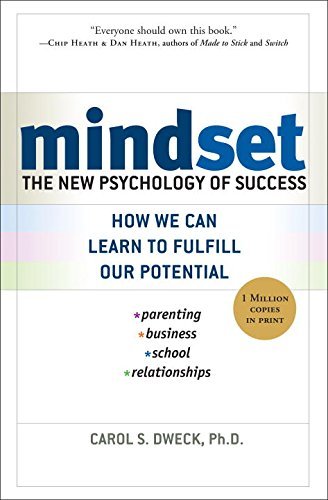
Carol Dweck’s Mindset: The New Psychology of Success delves deep into the powerful role our beliefs about our abilities play in shaping our success. Dweck, a renowned psychologist, introduces the idea that our mindset—our underlying beliefs about the nature of intelligence and talent—can significantly affect how we approach challenges, setbacks, and personal growth. The book categorizes people into two types of mindsets: the fixed mindset and the growth mindset.
A fixed mindset is the belief that intelligence and abilities are static traits—people are either born with certain talents or they are not. Individuals with a fixed mindset tend to shy away from challenges because they fear failure or appearing incompetent. They believe that effort won’t improve their abilities, and thus, they avoid situations that might push them outside their comfort zone. For example, a student with a fixed mindset might avoid a difficult math problem because they believe that either you’re “good at math” or you’re not, and failing would confirm their belief that they lack the necessary ability.
In contrast, a growth mindset is the belief that abilities and intelligence can be developed over time through dedication, effort, and perseverance. People with a growth mindset embrace challenges as opportunities for growth rather than threats to their self-image. They understand that mistakes are an inevitable part of the learning process and that failure is not a reflection of their worth, but a chance to learn and improve. A student with a growth mindset would see a difficult math problem as an opportunity to learn and would be more likely to persist through difficulties.
Throughout the book, Dweck uses a wide range of examples from education, business, sports, and relationships to illustrate how these mindsets shape our lives. She shows how individuals with a growth mindset are more resilient in the face of setbacks, more likely to take risks, and better equipped to learn from feedback. By contrast, those with a fixed mindset are more likely to give up when faced with obstacles and avoid challenges that might test their abilities.
Dweck also discusses how these mindsets influence our relationships. In romantic and professional relationships, a fixed mindset can lead to a desire to protect one’s ego, which might cause defensiveness or an unwillingness to take responsibility for mistakes. In contrast, a growth mindset fosters open communication, a willingness to acknowledge faults, and a desire for self-improvement, all of which contribute to healthier and more successful relationships.
Mindset encourages readers to adopt a growth mindset to unlock their full potential. Dweck offers practical advice on how to develop a growth mindset, starting with recognizing and changing the fixed mindset beliefs that limit growth. The book is a powerful tool for anyone looking to overcome obstacles, build resilience, and reach their fullest potential by understanding that abilities and intelligence are not fixed but can be cultivated over time.
11. This Is Your Brain on Music by Daniel J. Levitin
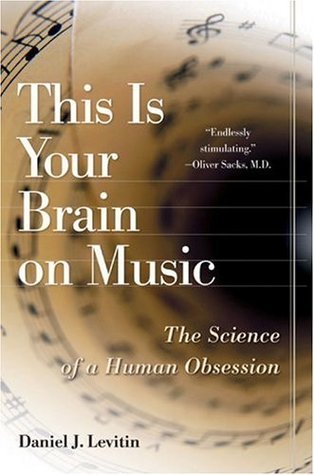
In This Is Your Brain on Music, Daniel J. Levitin explores the fascinating relationship between music and the human brain, blending neuroscience and musical theory to explain how music influences our emotions, memories, and cognitive functions. Levitin, a neuroscientist and musician, presents music as more than just an art form—it is a fundamental aspect of human experience that is deeply woven into the structure of our brains.
Levitin begins by explaining how the brain processes different aspects of music, such as rhythm, melody, and harmony. He delves into how our brains are hardwired to respond to music, with neural circuits dedicated to recognizing patterns in sound. The book explains how we perceive and respond to rhythm—why some beats make us want to tap our feet or dance, while others leave us unmoved. Levitin discusses the role of dopamine, the brain’s reward chemical, and how it is triggered by music, creating feelings of pleasure and excitement.
One of the most compelling aspects of the book is Levitin’s exploration of the therapeutic effects of music. He examines how music can be used in a variety of contexts to promote healing and emotional well-being. Music therapy, for instance, has been shown to help patients with Alzheimer’s disease and other forms of dementia improve their memory and emotional regulation. Music also plays a key role in the treatment of depression and anxiety, as certain melodies and rhythms can regulate mood and bring comfort.
The book also delves into how music shapes culture and society. Levitin traces the evolution of music from ancient times to the present day, discussing how music has played a central role in rituals, social gatherings, and cultural expression. He highlights the universal nature of music, explaining how it transcends cultural and linguistic barriers, allowing people to connect across time and space. The power of music to evoke strong emotions and create shared experiences is one of the central themes of the book.
Levitin further explains the connection between music and memory. Music has a unique ability to trigger memories, often vividly and with emotional intensity. For example, certain songs can bring us back to specific moments in our lives, such as a song that reminds you of your childhood or a particular relationship. This is because the brain processes music in a way that intertwines with other sensory and emotional experiences, making it a powerful tool for encoding and recalling memories.
This Is Your Brain on Music is an eye-opening exploration of how deeply music is embedded in the human experience. Levitin combines rigorous scientific research with engaging anecdotes and explanations, making this book both informative and captivating for anyone interested in music, neuroscience, or the psychology of human behavior. The book is a deep dive into the many ways music shapes our lives, from its emotional power to its impact on our cognitive functions and our society.
12. What If? Serious Scientific Answers to Absurd Hypothetical Questions by Randall Munroe
Randall Munroe’s What If? Serious Scientific Answers to Absurd Hypothetical Questions is a delightful exploration of some of the most outlandish and quirky questions that challenge our understanding of the world. Munroe, creator of the popular webcomic XKCD, uses his background in physics to provide thoughtful, humorous, and surprisingly accurate answers to bizarre hypothetical questions. What sets this book apart is Munroe’s unique ability to blend humor, scientific reasoning, and creativity to tackle the absurd in a way that is both informative and entertaining.
The book is structured around a series of hypothetical questions, such as “What would happen if you tried to hit a baseball pitched at 90% the speed of light?” or “How many Lego bricks would it take to build a bridge from London to New York?” While these questions may seem outlandish, Munroe applies his scientific knowledge to break them down, using physics, math, and logic to provide answers that are as accurate as they are entertaining. His explanations often require a deep understanding of scientific principles, such as relativity, energy transfer, and the nature of materials, but Munroe’s witty writing style makes the complex concepts accessible to general readers.
One of the most engaging features of the book is Munroe’s ability to demystify complex scientific ideas. For example, in answering questions about extreme scenarios, like the effects of traveling at near-light speeds, he uses simple analogies and accessible language to explain the concepts of time dilation, mass-energy equivalence, and the speed of light. Despite the high level of scientific inquiry, Munroe’s explanations are approachable, making the book both educational and fun.
The book also reflects Munroe’s creative approach to problem-solving. While his answers are rooted in science, they often involve thought experiments and imaginative scenarios that highlight the limitations of human understanding and the ways in which science can stretch our imagination. Munroe encourages readers to think outside the box and consider questions from unconventional angles, showing that even the most absurd queries can lead to fascinating insights into the natural world.
What If? is a perfect read for those who enjoy thinking about the world in unconventional ways and who love exploring the “what ifs” that challenge the boundaries of our knowledge. Munroe’s unique blend of science and humor makes this book a fun, enlightening journey into the realms of imagination and possibility. Whether you’re a science enthusiast or simply someone who enjoys quirky thought experiments, What If? will leave you with a new appreciation for the creativity and humor that lie at the intersection of science and absurdity.
13. Where Good Ideas Come From by Steven Johnson
In Where Good Ideas Come From, Steven Johnson explores the dynamic and often unpredictable nature of creativity, focusing on the environments and conditions that foster the development of innovative ideas. Through historical examples, case studies, and scientific research, Johnson delves into the processes that lead to breakthroughs, revealing that good ideas often emerge not from solitary moments of inspiration, but from complex, interconnected environments where ideas can collide and evolve.
One of the book’s core concepts is the adjacent possible, a term Johnson uses to describe the idea that innovation builds upon what already exists. Rather than large, sudden leaps of insight, groundbreaking ideas often emerge from a series of small, incremental steps—each idea extending from what came before. This concept emphasizes the importance of creating environments where ideas can evolve naturally and organically over time, as opposed to expecting dramatic, revolutionary moments.
Johnson also explores the importance of liquid networks—open, fluid systems where people and ideas can freely circulate. In such environments, creativity is encouraged through collaboration, sharing, and the exchange of diverse perspectives. The book looks at various environments that foster creativity, from the coffeehouses of Enlightenment London to the open-source software movement and the modern startup culture. These environments all share one common characteristic: they provide a space where individuals can come together, share ideas, and push the boundaries of what’s possible.
Additionally, Johnson examines the role of serendipity in the creative process. He shows how chance encounters and unexpected connections can lead to new ideas, particularly in environments where there is room for experimentation and failure. One of the most striking aspects of Where Good Ideas Come From is its focus on the value of failure. Johnson argues that failure isn’t necessarily something to avoid; rather, it’s often a critical part of the creative process, as it can lead to new insights and innovative solutions.
The book offers a refreshing perspective on creativity, showing that good ideas rarely emerge in isolation. Instead, they are the result of collaborative thinking, the free exchange of ideas, and environments that allow for experimentation, risk-taking, and the exploration of adjacent possibilities. Where Good Ideas Come From is an essential read for anyone interested in fostering a culture of creativity, whether in business, science, or the arts.
14. A Short History of Nearly Everything by Bill Bryson
In A Short History of Nearly Everything, Bill Bryson takes readers on a fascinating journey through the history of science, uncovering the incredible discoveries and ideas that have shaped our understanding of the world. The book covers a wide range of topics, from the origins of the universe and the development of life on Earth to the history of geology, biology, and human evolution. What sets this book apart is Bryson’s engaging storytelling style, which combines humor, curiosity, and detailed explanations to make complex scientific concepts accessible to a broad audience.
Bryson begins by explaining the origins of the universe, starting with the Big Bang. He explores the formation of galaxies, stars, and planets, giving readers a sense of the vastness and complexity of the cosmos. He then zooms in to explore Earth’s history, from its early formation and the development of the planet’s atmosphere to the rise of life forms and the eventual emergence of humans. Bryson’s writing highlights the serendipitous nature of life’s development—how chance events, such as asteroid impacts and volcanic eruptions, have played pivotal roles in shaping the course of Earth’s history.
The book also delves into the fascinating world of geology and plate tectonics, explaining how the Earth’s crust has been shaped by the movement of continents and the forces of nature. Bryson discusses the evolution of life, from the earliest single-celled organisms to the diverse array of species that have inhabited the planet. He explains the complexities of evolution, using clear and relatable examples to illustrate how life has adapted to changing environments over billions of years.
One of the most intriguing sections of the book focuses on the history of scientific discovery. Bryson takes readers through the lives of some of the world’s most famous scientists—figures like Isaac Newton, Albert Einstein, and Marie Curie—offering insights into their work and the challenges they faced in advancing human knowledge. The book also covers the often surprising and serendipitous nature of scientific discoveries, emphasizing how many of the greatest breakthroughs came from curiosity and persistence, rather than from grand, premeditated theories.
Bryson’s storytelling approach to science makes A Short History of Nearly Everything both informative and entertaining. He weaves together history, biology, physics, and chemistry, providing readers with a rich and accessible narrative about the natural world and the scientific discoveries that have shaped our understanding of it. This book is ideal for anyone curious about the origins of the universe, the Earth, and life itself, and for those looking for an engaging introduction to the history of science.
15. The Art of War by Sun Tzu
The Art of War by Sun Tzu is one of the most revered works on strategy and tactics in history. Written over 2,000 years ago, this ancient Chinese text offers timeless wisdom on leadership, conflict, and decision-making. Although it was originally intended as a military manual, The Art of War has since been applied to a wide range of fields, including business, politics, sports, and personal development. The book is composed of 13 chapters, each focusing on a different aspect of warfare, but its core principles are relevant to anyone seeking to navigate complex situations and challenges.
At the heart of The Art of War is the idea of strategic planning and flexibility. Sun Tzu emphasizes the importance of understanding both your own strengths and weaknesses as well as those of your opponents. In warfare, as in life, knowing when to act and when to wait is crucial. Sun Tzu’s approach to strategy is not about brute force, but about outsmarting your opponents and gaining the upper hand through superior intelligence and planning.
One of the key principles in The Art of War is knowing when to fight and when to avoid conflict. Sun Tzu teaches that conflict should not be pursued for its own sake, but rather when it is necessary and advantageous. He suggests that the best strategy is often to win without fighting—through superior strategy, psychological tactics, and understanding the terrain. This idea can be applied to negotiations, business dealings, and personal relationships, where success often comes not from confrontation, but from skillful maneuvering and diplomacy.
The book also emphasizes the importance of adaptability. Sun Tzu advises that successful leaders must be able to adjust their strategies based on changing circumstances. The ability to remain flexible and responsive in the face of uncertainty is one of the book’s most enduring lessons. In business and leadership, this means being able to pivot, adjust goals, and innovate when necessary, rather than rigidly adhering to a set plan that may no longer be effective.
Another important theme in The Art of War is the value of deception. Sun Tzu argues that misleading your enemies—by creating false impressions, feigning weakness, or hiding your true intentions—can be an effective strategy. While this concept might seem to promote dishonesty, it’s more about misdirection and outwitting your opponent in a way that leaves them vulnerable to your true strengths.
The Art of War is not just about conflict but about the broader principles of leadership, decision-making, and achieving success in competitive environments. Its wisdom extends far beyond military applications, offering valuable insights for anyone looking to improve their strategic thinking and ability to lead effectively. Whether you’re navigating the challenges of business, personal growth, or even managing relationships, The Art of War offers practical and profound lessons that are as relevant today as they were in ancient China.
Conclusion
The books we read have the power to shape our understanding, challenge our assumptions, and spark new ideas. The 15 books we’ve explored here offer a diverse range of knowledge, from the science of habits to the art of strategy, each providing a unique lens through which to view the world. By engaging with these works, you can not only expand your intellectual horizons but also improve your decision-making, creativity, and personal growth. So, whether you’re looking to delve into the complexities of the human mind or explore the vastness of the universe, these books offer the perfect starting point. Embrace the power of reading and let these transformative works inspire your journey toward becoming smarter, more insightful, and better equipped to navigate the challenges of life.