
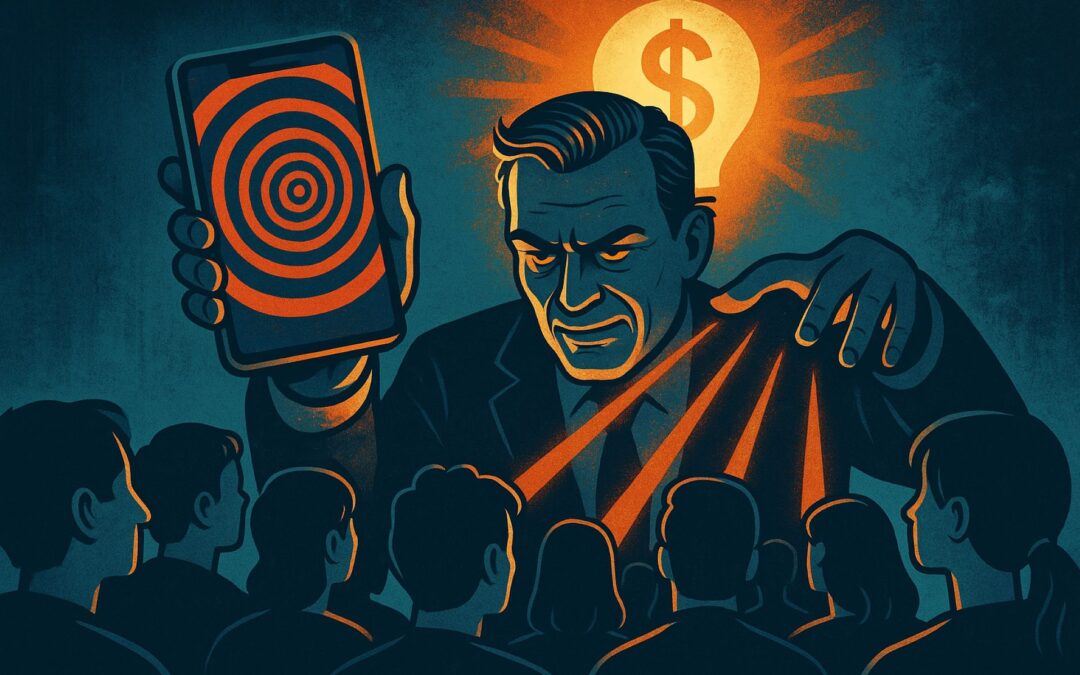
You’re being brainwashed. Not with laser beams or some grand conspiracy, but through a subtler, far more insidious force—attention manipulation. Ever wonder why Mark Zuckerberg suddenly takes up surfing, fights MMA, or why Elon Musk tweets nearly a hundred times a day? These aren’t random quirks. They are carefully orchestrated moves designed to weaponize your attention and funnel your wealth into the pockets of billionaires.
The Art of Identity Weaponization
Billionaires don’t just build companies—they craft personas, master narratives, and manipulate perception with surgical precision. This deliberate shaping of identity is a form of psychological warfare, designed to capture attention, influence emotions, and cultivate unwavering trust. At its core, identity weaponization is about transforming a person from a mere CEO or founder into a larger-than-life figure whose story itself becomes a powerful asset.
Take Mark Zuckerberg as a case study. Early in Facebook’s journey, Zuckerberg was the archetype of the introverted genius—the kind of person who blends into the background, focused solely on his creation. His uniform gray T-shirts weren’t a fashion statement but a symbol of relentless, almost robotic dedication to engineering a platform that connected the world. This persona resonated with a tech-savvy audience who admired his intellect and innovation but didn’t demand celebrity status or personal flair.
However, as Facebook exploded into a social media behemoth, Zuckerberg’s quiet genius image collided with escalating public scrutiny. The Cambridge Analytica scandal was a tipping point—a revelation that a political consulting firm had exploited the personal data of tens of millions of users without consent. The resulting outrage exposed not just Facebook’s operational flaws but cast Zuckerberg himself as a figure synonymous with privacy violations and corporate overreach.
This crisis forced a reckoning. A passive or purely defensive response would have allowed the narrative to spiral beyond his control, further eroding trust and damaging the company’s value. Instead, Zuckerberg and his team engineered a radical reinvention, both corporate and personal. Facebook transformed into Meta, signaling a new vision centered around the “metaverse,” but this was only half the story.
Zuckerberg himself underwent a carefully choreographed metamorphosis. The once stoic, hoodie-wearing coder started appearing in public with dramatically different signals: surfing with an American flag draped behind him, engaging in mixed martial arts training, making off-the-cuff jokes on popular podcasts, and adopting a more casual, approachable wardrobe. Each move was meticulously designed to reframe him as a dynamic, relatable, and even quirky individual—someone you might imagine having a beer with or seeking advice from.
This transformation wasn’t spontaneous or organic; it was the product of millions of dollars in strategic image consulting, media coaching, and narrative engineering. Every public appearance, social media post, and interview was calibrated to rebuild fractured trust and humanize a figure many had come to see as emblematic of corporate coldness and deception.
The results speak volumes. Meta’s stock price more than doubled following this rebrand and personality makeover, underscoring the financial potency of controlling your identity. This is the essence of identity weaponization: when the lines between the individual and the corporation blur, and a carefully sculpted persona becomes the frontline in the battle for consumer confidence, market dominance, and ultimately, wealth extraction.
In essence, billionaires weaponize identity because it’s the most effective way to harness human psychology. People don’t just buy products—they buy stories, personalities, and trust. By taking ownership of their narrative and molding it into a compelling brand, billionaires turn themselves into living symbols of success that attract attention, influence behavior, and keep the money flowing in. This is no accident. It is a deliberate, relentless strategy, playing out every day on screens worldwide, shaping perceptions, and quietly brainwashing audiences into fueling their ever-growing fortunes.
Your Story is Your Strategic Asset
In today’s hyperconnected world, your personal story is not just background noise—it is a strategic asset with tangible impact on your career, relationships, and financial success. Unlike in previous generations, where reputations were built slowly through face-to-face interactions and word of mouth, your narrative now unfolds in real time across a vast digital landscape. Every social media post, comment, or even silence contributes to a mosaic that others use to judge your credibility, character, and competence.
What many people fail to realize is that storytelling isn’t reserved for celebrities or CEOs. Whether you’re an entrepreneur pitching to investors, a job seeker interviewing for a dream role, or a professional networking at an industry event, the story you tell about yourself shapes how others respond to you. It influences whether they see you as trustworthy, capable, innovative, or dependable. This perception often carries more weight than your actual qualifications or achievements.
But here’s the catch: if you’re not intentional about the narrative you present, you risk letting others define it for you. In an environment flooded with information, ambiguity breeds misinformation and misinterpretation. A missed opportunity to share your values, expertise, or vision creates a vacuum that gets filled by assumptions or worse, inaccurate portrayals. That’s why strategic storytelling is crucial—it’s about amplifying the version of yourself that aligns with your goals, not fabricating a false identity.
Your digital footprint has become the modern-day résumé, reputation, and reference letter rolled into one. Search engines, LinkedIn profiles, Twitter threads, and Instagram feeds collectively act as a dynamic dossier accessible to anyone with an internet connection. Recruiters vet candidates by Googling their names; clients judge service providers based on their online presence; peers form opinions long before you meet face to face.
The smartest professionals and leaders understand this ecosystem intimately. They curate their online presence with precision—sharing thought leadership content, engaging in meaningful conversations, and demonstrating consistency in values and messaging. They recognize that every interaction is an opportunity to reinforce their personal brand and build trust. This approach transforms storytelling from a passive activity into a proactive strategy that accelerates career momentum and opens doors to opportunities that would otherwise remain closed.
Moreover, owning your narrative gives you control in times of crisis or change. When setbacks occur or rumors swirl, those who have cultivated a strong, consistent story can weather storms more effectively. Their audience knows who they are, what they stand for, and is more likely to give them the benefit of the doubt. This resilience is invaluable in an era where reputations can be built or destroyed overnight.
Ultimately, your story is a strategic asset because it operates as a magnetic force in human relationships. Stories evoke emotions, create connections, and inspire action. When your narrative is clear, authentic, and aligned with your ambitions, it doesn’t just inform others—it compels them to engage, collaborate, and invest in you. Harnessing this power isn’t optional anymore; it’s essential. Because in the currency of modern success, those who master their story hold the keys to influence, opportunity, and growth.
Elon Musk: The Double-Edged Sword of Founder-Led Marketing
Elon Musk’s meteoric rise is one of the most vivid illustrations of how founder-led marketing can catapult a brand into the stratosphere—and how that same strategy can also become a precarious liability. Musk didn’t just launch companies; he launched himself as a living, breathing brand that was as compelling as the products and technologies he championed.
From the early days of SpaceX and Tesla, Musk embodied the archetype of the visionary entrepreneur: bold, unorthodox, and relentlessly ambitious. He wasn’t just a behind-the-scenes executive; he was the face and voice of his companies, the narrative anchor that held everything together. His persona fused elements of a risk-taking inventor, a rebellious innovator, and even a pop culture hero—think Tony Stark brought to life. This carefully crafted image transformed the companies themselves into extensions of his personal brand.
Musk’s Twitter account became an unconventional marketing powerhouse, turning social media posts into headline-grabbing news. Announcements about flamethrowers, robots, and Mars colonization weren’t just product updates; they were spectacles that electrified fans, investors, and media alike. This direct line to the public bypassed traditional marketing channels, saved billions in advertising costs, and created a sense of immediacy and intimacy rarely seen at such corporate scales.
However, the very intimacy and visibility that fueled Musk’s success also exposed his ventures to unprecedented risks. As Musk’s tweets grew more erratic—mixing visionary insights with impulsive remarks, public feuds, and controversial opinions—the tightrope he walked became increasingly unstable. His personal actions began to overshadow corporate achievements, leading to reputational volatility that rippled across Tesla’s brand.
Reports of Musk allegedly hiring a proxy to stream video games under his name and his controversial political stances ignited public backlash. Tesla owners removing badges or vandalizing cars underscored how personal controversies could directly impact consumer behavior and brand loyalty. Market performance reflected this turbulence, with Tesla’s stock suffering declines amid broader tech market rallies.
This volatility highlights the inherent tension in founder-led marketing: the founder’s persona is a double-edged sword—powerful but fragile. When aligned and controlled, it acts as a magnet, driving engagement and growth. When erratic or misaligned, it can fracture trust and destabilize the very enterprise it supports.
Musk’s story imparts a crucial lesson: founder-centric branding demands relentless focus, strategic discipline, and an acute awareness of how personal behavior influences corporate perception. It’s not enough to chase attention for its own sake; that attention must be purposeful, consistent, and reflective of core values. Otherwise, the brand risks becoming noise—loud but directionless, memorable but for all the wrong reasons.
For individuals and businesses alike, the Musk example serves as both inspiration and caution. Harnessing personality to propel growth is incredibly potent, but it requires mastery over messaging and behavior. Without that, the risk of self-sabotage looms large, and the powerful tool of founder-led marketing can quickly become an albatross.
Warren Buffett: The Masterclass in Trust
Warren Buffett stands as the quintessential example of how unwavering consistency and long-term integrity build a personal brand that commands unparalleled trust and influence. Unlike flashier entrepreneurs who chase the spotlight, Buffett has cultivated a reputation rooted in humility, discipline, and a steadfast commitment to sound investing principles. His brand is a masterclass in the power of authenticity and slow, deliberate reputation-building.
Buffett’s public persona is strikingly unpretentious. He lives in the same modest Omaha home he purchased in 1958, drives a simple car, and indulges in everyday habits like eating McDonald’s breakfasts and drinking multiple cans of Coca-Cola daily. These ordinary choices are far from accidental; they reinforce an image of groundedness and reliability that contrasts sharply with the extravagance often associated with billionaires. This consistent personal narrative has endeared him to the public and investors alike, making him appear not only approachable but fundamentally trustworthy.
This trust translates into massive economic power. The phenomenon known as the “Warren Buffett effect” is a testament to this influence: whenever Buffett buys or sells a stock, markets react instantly and decisively. His reputation is so potent that Berkshire Hathaway, his conglomerate, sometimes requests that the Securities and Exchange Commission delay the disclosure of their stock purchases to avoid triggering premature market movements. Investors worldwide view Buffett’s decisions as signals of financial wisdom, driving a tidal wave of capital to follow his lead.
Buffett’s brand is not built on flashy marketing or viral moments; it is constructed over decades of demonstrated success, prudent decision-making, and transparent communication. His annual shareholder letters are studied like sacred texts, offering insights steeped in logic and long-term perspective. This dedication to fundamentals and value investing has made his brand synonymous with stability and wisdom in a world often dominated by short-term thinking and hype.
What makes Buffett’s story so powerful is its deep alignment between his personal values and public actions. He has positioned himself as a guardian of prudent investing, someone who prioritizes substance over style and long-term growth over quick wins. This alignment creates an almost unshakeable foundation of trust—a rare commodity in any industry.
Buffett’s example illustrates that trust is the most valuable currency in building lasting influence. Unlike fleeting trends or viral fame, trust requires time, consistency, and authenticity. It’s earned through repeated demonstrations of integrity and reliability, and once established, it becomes a gravitational force that effortlessly attracts opportunities, partnerships, and capital.
For anyone looking to build a meaningful brand or business, Buffett’s journey underscores the importance of cultivating trust as a central pillar. It shows that being unflashy but unwavering can be more powerful than any marketing blitz. In a noisy world saturated with transient attention, trust endures. It’s the bedrock upon which true wealth, influence, and legacy are built.
Trust: The Ultimate Currency Billionaires Harvest
Trust is the invisible, yet immensely powerful, currency that underpins every transaction, relationship, and interaction in the modern world. For billionaires and their empires, trust isn’t just a nicety—it is the essential fuel that powers their influence, attracts capital, and solidifies their dominance. Unlike money or assets, trust cannot be bought outright; it must be painstakingly earned and carefully guarded, because once lost, it’s extraordinarily difficult to reclaim.
When billionaires “brainwash” you, they aren’t hypnotizing you in the literal sense. Instead, they are engaging in a subtle process of building, maintaining, and leveraging trust on a massive scale. This trust convinces people to invest their time, money, and loyalty—often in ways that disproportionately enrich the billionaire. The sheer scale of trust needed to sustain multi-billion-dollar companies is staggering, which explains why so much effort and resources go into managing public perception.
Take Mark Zuckerberg, for example. The massive rebranding from Facebook to Meta wasn’t just a name change—it was a strategic move to reset the company’s image and rebuild trust after a series of damaging scandals. Facebook’s data privacy breaches and election interference controversies deeply eroded user confidence, placing Zuckerberg himself at the epicenter of distrust. The multi-million-dollar campaigns to reshape his persona and reposition the company highlight how vital trust is to business longevity and valuation.
Similarly, Elon Musk’s $44 billion acquisition of Twitter signals the lengths to which billionaires will go to secure platforms that influence public discourse and maintain control over their narratives. Musk’s personal brand, once a fountain of positive attention, has faced turbulence due to erratic behavior, showing how quickly trust can erode and impact associated businesses.
Trust operates as a gravitational force in markets and social systems. It lowers barriers, reduces friction, and encourages collaboration. People give their money to companies, buy products, and support initiatives not merely because of features or prices but because they believe in the reliability and integrity of the people behind them. This is why personal reputation often trumps even technical excellence or financial metrics in decision-making.
Moreover, trust isn’t static—it requires continual reinforcement. Billionaires understand that every public statement, product launch, or social media post either builds or chips away at this fragile asset. Missteps can cause rapid deterioration, triggering cascading effects on stock prices, consumer behavior, and brand equity. Conversely, consistent demonstration of values, transparency, and responsiveness can fortify trust, turning customers and followers into fervent advocates.
For individuals and businesses alike, the takeaway is clear: trust is the ultimate currency. Building it demands authenticity, consistency, and strategic communication. Ignoring it risks not only reputation but financial survival. Cultivating trust proactively positions you to leverage influence, unlock opportunities, and sustain growth in a world where attention is fleeting but trust endures.
In the grand theater of wealth creation, billionaires are not simply selling products or services—they are harvesting trust at scale, transforming it into unparalleled economic power. Recognizing trust as this fundamental currency equips you to navigate your own personal and professional journey with greater wisdom and intentionality.
Final Thoughts: Take Control of Your Narrative
The billionaire playbook shows that wealth isn’t just about products or services—it’s about perception and narrative control. You don’t need billions to leverage these principles. Shape your story deliberately. Build trust through consistency and authenticity. Focus your attention like a laser on what matters. Because once you master your narrative, you master your destiny.