
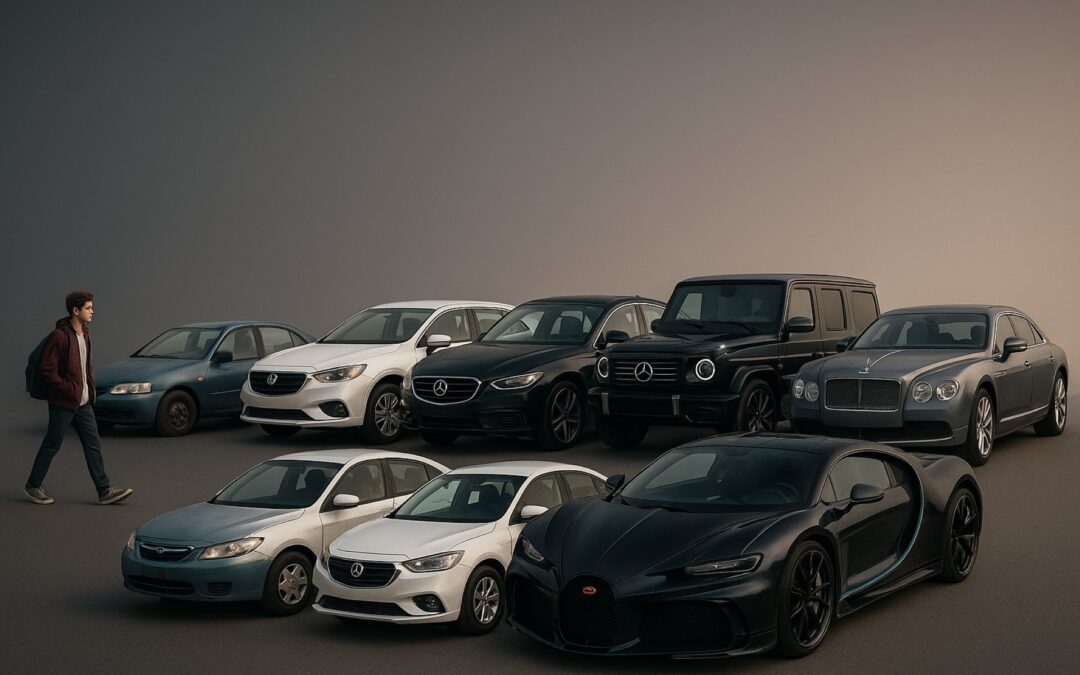
Car ownership can often feel like a rite of passage—a reflection of personal growth, lifestyle changes, and financial evolution. As we navigate different levels of car ownership, each phase reveals unique insights about ourselves and our relationship with the world around us. From the resourcefulness required when relying on public transportation to the prestige of owning a supercar, each level offers lessons in responsibility, independence, and the pursuit of joy.
In this article, we’ll explore the various stages of car ownership, unpacking the implications, experiences, and mindsets that come with each transition. Whether you’re considering your first purchase or dreaming of luxury vehicles, understanding these stages can illuminate your path and shape your driving experience.
Level 0: No Car — The Starting Line of Financial Independence
At this stage, your daily life revolves around necessity and frugality. Owning a car isn’t a possibility but a distant aspiration, more myth than reality. You’re likely a student buried in textbooks, a young adult building foundational skills, or someone navigating the labyrinth of early adulthood with limited resources. Your commute is a patchwork of walking, public transportation, and occasional rideshares. Each bus or subway trip is a calculated choice—balancing cost, convenience, and time.
The financial calculus here is razor-thin. Even an Uber feels like a luxury that chips away at your already tight budget. Gas prices, insurance premiums, maintenance costs—these aren’t abstract expenses; they’re barriers that keep car ownership firmly out of reach. The thought of handling tire rotations, engine troubles, or parking tickets can feel overwhelming, almost like adding another job to your plate. You’re still learning how to manage rent, groceries, bills, and saving a little for emergencies. A car, with its endless expenses and responsibilities, would be an unsustainable weight.
This level forces a hyper-pragmatic mindset: mobility is a function of efficiency, not status. You might fantasize about the freedom a car could bring, but you’re grounded by the reality that financial security is the true engine that will drive you forward. The dream of someday owning a vehicle fuels your motivation, but the present demands patience, discipline, and a focus on self-sufficiency.
Level 1: The Starter Car — The Humble Chariot Under $10,000
Owning your first car is an emotional milestone that blends excitement with humility. This vehicle is rarely about aesthetics or speed—it’s about possession and personal achievement. Typically, it’s a vehicle past its prime: maybe a battered sedan with a scratched exterior, worn seats, and a radio that only works intermittently. It’s the kind of car that has stories etched into its frame, dents and all. It’s likely inherited, a hand-me-down from a relative, or found through a scrappy deal on the used market.
Financially, this car represents a new class of expense. Filling the tank is a delicate balancing act; every fuel stop requires budgeting, often breaking up a full tank into smaller increments to manage cash flow. Insurance is minimal but necessary, and parking—whether on crowded city streets or tight suburban lots—is a logistical challenge you’re learning to navigate.
Despite its flaws, this car is a fortress of independence. It means you’re no longer bound by bus schedules or rideshare costs. Friends look to you as the designated driver, an informal social currency that builds trust and camaraderie. You personalize the vehicle with stickers, air fresheners, or a carefully curated playlist, imprinting your personality on something that is fundamentally utilitarian.
This stage is also a test of resilience and resourcefulness. When the engine sputters or the brakes squeak, you learn to troubleshoot, negotiate repairs, or simply soldier on. You develop an intimate relationship with the machine, not for its luxury but for what it symbolizes: the first tangible step toward financial autonomy and personal freedom.
Level 2: The First Upgrade — Secondhand Car with Leather Interior ($10,000 – $20,000)
This level is where aspiration meets practicality in a delicate dance. You’ve emerged from the survival mindset and entered a phase where comfort, style, and image start to matter. With a predictable income and some savings behind you, you invest in a vehicle that speaks to progress—a secondhand car that isn’t just functional but refined.
This vehicle is often a decade-old model boasting features previously unattainable: leather seats, advanced infotainment systems like Apple CarPlay, sunroofs, or a sportier chassis. The car’s condition might not be showroom perfect, but it carries an aura of sophistication and pride. It’s the kind of ride that signals you’ve “made it” past the first rungs of financial struggle.
Purchasing this car is an exercise in meticulous research and careful deliberation. Nights spent scrolling through listings, comparing makes and models, assessing reliability and resale value reflect the seriousness of this investment. You have a checklist—not just of features, but of what this car represents: a tangible measure of your upward trajectory.
This stage is psychologically transformative. You begin to see yourself differently—not just as someone who owns a car, but as a person with financial agency and self-respect. You might even start to look down on those who flaunt inherited wealth or buy new cars without earning them, taking pride in the fact that you “earned” this upgrade.
Socially, the car becomes an asset—a tool for impressing potential partners, attending important meetings, or expanding your network. The subtle luxury and sporty vibe allow you to blend comfort with identity. It’s no longer just a vehicle; it’s a statement: you’re climbing, evolving, and ready for what comes next.
Level 3: The Nearly-New Car and the Second Vehicle ($25,000 – $40,000)
At this stage, your financial confidence grows in leaps and bounds, and it manifests clearly in your choice of automobiles. You’re no longer driving vehicles from a bygone era; instead, you opt for something that feels fresh, modern, and packed with the latest conveniences. The five-year-old car you select isn’t just transportation—it’s a leap into a new lifestyle, a tangible symbol of your growing stability and success.
This car often feels like a technological marvel compared to earlier rides: advanced safety systems, sleek infotainment, and refined interiors that create a cockpit experience rather than just a driving compartment. It’s the first time you may appreciate the nuances of adaptive cruise control, lane assist, or premium sound systems, features that make driving smoother, safer, and frankly, more enjoyable.
But the story doesn’t end there. This phase often introduces a second car—a nod to your evolved life circumstances. Perhaps you and your partner previously shared a single vehicle out of necessity, but now both demand independence. The second car might be a reliable, modestly priced model, often still under financing, but it symbolizes a new dynamic: a household with more flexibility and disposable income.
Financially, this level is about juggling priorities. You might still be renting a home, delaying mortgage plans because housing markets are unforgiving, but the dual-car lifestyle signals breathing room. The payments on both vehicles are a new line item in your budget, requiring careful management. Yet, the emotional payoff is profound. Seeing two cars parked side by side is a daily reminder of how far you’ve come—from the days of public transit dependency to the comfort of choice.
Socially, this stage elevates your status. You’re no longer the friend who’s the designated driver out of obligation—you’re someone with options, someone who commands a certain respect. The vehicles themselves are tools for life’s various demands, whether commuting, weekend getaways, or spontaneous road trips, but also subtle flexes to those who recognize the markers of financial progress.
Level 4: The Mid-Range New or Luxury Used Car ($40,000 – $70,000)
This tier represents a delicate equilibrium of ambition and fiscal responsibility. You have arrived at a point where you can afford to buy—or lease—a car that blends utility with luxury, without tipping into extravagance. The vehicles here often include models like the Tesla Model 3, mid-range Mercedes-Benz sedans, Volvo SUVs, or even dependable trucks like the Ford F-150, balancing workhorse practicality with refined aesthetics.
At this level, you’re no longer blinded by the siren call of pure status symbols. You’re astutely aware that a car is a depreciating asset. Instead, your purchase is integrated into a broader financial strategy—one that accounts for mortgage payments, children’s education, travel, and long-term investments. Your automobile is not just a toy but a tool aligned with your lifestyle and responsibilities.
This family vehicle is designed for daily life. It has space for kids, cargo room for weekend adventures, and safety features that protect your loved ones. It’s a car that says, “I’ve made it, but I’m not reckless.” You choose models with reputations for reliability and longevity, valuing the peace of mind that comes with well-engineered machines.
Moreover, this is often where you consciously decide not to chase flashy, high-price tags. The market awareness and financial literacy you’ve cultivated tell you that a six-figure car isn’t necessary for comfort or social signaling. You understand subtlety—that success is better broadcast through stability and prudence rather than ostentatious displays.
Level 5: The First Luxury New Car ($100,000 – $150,000)
Here, the car crosses a threshold from practical necessity to aspirational indulgence. You’re stepping into the world of luxury marques like Range Rover, BMW X5, Porsche Cayenne, or Tesla Model X. This is often your “dream car,” a tangible reward for years of hard work and upward mobility.
Many buyers at this stage approach this purchase through corporate leasing or operating leases to manage costs, integrating the vehicle into their professional lives. This vehicle doesn’t just move you—it makes a statement. It signals to colleagues, clients, friends, and family that you’ve arrived in a meaningful way.
Yet this stage also comes with a caveat. It’s easy to fall prey to financial overreach, buying luxury cars that strain your cash flow or eclipse your housing assets. Financial wisdom suggests keeping your car’s value at around 10-15% of your home’s worth, balancing lifestyle with long-term security. Those who ignore this often face hardship, as cars depreciate rapidly and can become financial albatrosses.
However, when approached with discipline, this purchase becomes a powerful motivator. It’s a physical manifestation of success, a symbol of your ability to provide yourself and your family with comfort and prestige. The driving experience itself often becomes a source of personal satisfaction—a blend of power, luxury, and cutting-edge technology that elevates everyday life into something special.
Socially, the luxury car marks you as a serious player. It can open doors, create impressions, and sometimes serve as a network catalyst. At this level, your car is no longer just yours—it’s part of the image you project into the world.
Level 6: Two Luxury Cars — His and Hers ($200,000+ Combined)
This level epitomizes a turning point where wealth and lifestyle intertwine seamlessly. Owning not one, but two luxury vehicles, signals a household that has transcended basic financial worries and embraced comfort, style, and personal expression. The “his and hers” dynamic reflects more than just practicality—it’s about identity and balance within a partnership.
Typically, one car serves as the dependable family cruiser—think a spacious SUV or a refined sedan—while the other is a sporty, fun-to-drive vehicle representing personal passion and flair. The garage itself becomes a status symbol: a curated space where these machines rest, gleaming under proper lighting, reflecting the care and pride you take in your possessions.
This phase is also marked by lifestyle enrichment. Your home likely mirrors your financial ascent, with amenities such as a swimming pool, home gym, or entertainment spaces complementing your upscale vehicles. Social circles expand to include peers who appreciate automotive passion, where conversations revolve around horsepower, rare editions, and maintenance tips.
Financially, this is a balancing act. Two luxury cars mean double the insurance, maintenance, and depreciation costs, yet it’s manageable within your portfolio. Rather than a financial strain, these expenses become part of a lifestyle budget. There may even be early thoughts about turning this passion into an investment—considering classic cars, limited editions, or rare models that appreciate over time.
Your identity here blends wealth, taste, and a genuine enthusiasm for automobiles. You’re no longer just a consumer; you’re a participant in a culture that values craftsmanship, history, and performance. The dual-car household is a clear testament to having arrived at a place where success fuels both necessity and indulgence.
Level 7: The G-Wagon, Maybach, Bentley, or Entry-Level Ferrari ($175,000 – $300,000)
Here, automotive ownership shifts into a sphere that mixes unmistakable luxury with unmistakable presence. Choosing a G-Wagon, a Maybach, a Bentley Continental GT, or an entry-level Ferrari isn’t just about transportation—it’s a declaration. These vehicles don’t whisper; they roar their status in every environment, from urban centers to exclusive events.
The G-Wagon symbolizes rugged opulence: a military-inspired design that’s equally at home in downtown traffic or the countryside, cloaked in a luxe exterior. It’s a vehicle for those who want both power and prestige, a perfect blend of toughness and elegance.
The Maybach and Bentley models represent classic refinement, with handcrafted interiors, whisper-quiet cabins, and bespoke customization options. They cater to those who appreciate heritage, artistry, and subtle yet unmistakable markers of wealth.
On the sportier end, an entry-level Ferrari or Porsche GT3 RS embodies raw performance and automotive passion. These machines are designed for thrill-seekers who want an exhilarating driving experience, alongside the social cachet that comes with owning such rare beasts.
Financially, owners at this level command a net worth comfortably in the multimillions, with annual incomes surpassing half a million. These vehicles often come with tailored insurance policies, premium maintenance plans, and the occasional chauffeur.
Choosing such a car is a calculated act of personal branding. It communicates success with confidence and flair, and it’s often an object of envy and admiration. Ownership is not impulsive but deliberate, a reflection of a sophisticated understanding of luxury, image, and the joys of driving.
Level 8: Rolls-Royce and Supercars ($400,000 – $1.2 Million)
This echelon is where automobiles transcend utility and enter the realm of high art and legacy. Vehicles like the Rolls-Royce Cullinan or hyper-luxury supercars become extensions of your wealth, taste, and influence. At this stage, your net worth likely ranges from $10 million to $25 million, supported by lucrative business ventures, investments, or inheritances.
The Rolls-Royce Cullinan, for instance, epitomizes ultimate luxury—a colossal SUV that blends majestic presence with unparalleled craftsmanship. Its hand-stitched leather, rare woods, and custom finishes turn every ride into a regal experience. It’s a car that doesn’t just take you places; it transports you into a world of exclusivity.
On the supercar front, owning models from Ferrari, Lamborghini, or McLaren signals entry into a rarified club. These machines boast blistering performance, cutting-edge engineering, and striking designs that make heads turn instantly. They’re often limited editions or bespoke builds, elevating their rarity and desirability.
Living at this level means residing in elite neighborhoods, attending exclusive events, and moving in circles where cars are symbols of legacy and social stature. Your vehicle choices are as much about tradition and brand heritage as they are about speed and power.
Financially, the upkeep, storage, and insurance for these vehicles are considerable but manageable within your wealth portfolio. The vehicles often serve dual purposes: personal enjoyment and strategic investments, given their potential to appreciate over time.
This level blends indulgence with sophistication—a celebration of achievement and a curated lifestyle where the finest automobiles play starring roles.
Level 9: The Supercar Collection ($5 Million+)
At this zenith of automotive wealth, you’re no longer just owning a car—you’re curating a collection that borders on automotive museum status. Your garage might house masterpieces like the McLaren P1, Bugatti Chiron, or Koenigsegg Agera, each individually worth multiple millions. This is a realm reserved for the ultra-wealthy who have crossed the threshold into legendary financial success, whether through monumental business exits, sports stardom, or entertainment empires.
A collection of this magnitude isn’t about daily driving; it’s about passion, prestige, and legacy. Each vehicle represents a chapter in automotive history, a feat of engineering and design that captures a moment in time. Maintenance here is an art form—specialized technicians, climate-controlled storage, and meticulous documentation preserve these cars as priceless assets.
Financially, the responsibility is enormous. The annual costs for upkeep, insurance, and storage easily run into the hundreds of thousands, yet they’re accepted as the price of admission to this exclusive club. Depreciation worries are minimal because many of these vehicles appreciate, especially rare editions or those with significant provenance.
Socially, the supercar collector is an icon, often invited to elite events, auctions, and private showcases. Your name becomes synonymous with automotive culture, and your collection commands respect and envy worldwide. But behind the glamour lies a deep personal commitment—a devotion to craftsmanship, innovation, and the thrill that only the world’s fastest, rarest machines can provide.
Level 10: One-of-a-Kind Bespoke Automobiles — Priceless
This rarefied level exists beyond conventional valuation. Here, the car is a bespoke masterpiece, created not from a factory line but through intimate collaboration between you and the world’s most prestigious automotive artisans. Whether it’s a $23 million Rolls-Royce Boat Tail or a custom Bugatti Chiron edition, these vehicles are singular creations—no two alike.
Owning such a car signals a connoisseurship that transcends wealth alone. It requires an almost spiritual affinity with the brand, a trust that the automaker will translate your vision into metal, leather, and horsepower with impeccable artistry. These vehicles become rolling sculptures—fusion of engineering, craftsmanship, and personal expression.
Often, these bespoke cars aren’t even intended for public roads; they serve as gallery pieces, museum exhibits, or treasured family heirlooms. Their value appreciates exponentially, not just monetarily but culturally and historically.
At this stage, price becomes abstract. You’re paying for exclusivity, heritage, and the opportunity to own something genuinely unique in the automotive world. The process can take years, involving multiple design sessions, handcrafting, and personalized innovations.
Ownership here is less about transportation and more about identity, legacy, and an intimate relationship with art on wheels.
Bonus Level 11: No Car, But Always Driven
In a poetic full circle, this ultimate level discards personal car ownership altogether, replacing it with a lifestyle where mobility is a seamless service. The elite few who reach this stage live lives so insulated from mundane logistics that a car is no longer theirs to own or drive.
Instead, a team of professional chauffeurs and an array of impeccably maintained vehicles stand ready to transport you at a moment’s notice. The cars are pristine, often unrecognized by the driver’s identity, meticulously cared for by dedicated staff, and tailored for absolute comfort and discretion.
This is the realm of royalty, heads of state, and billionaire business magnates who understand that their time is better spent focused on influence and leadership than behind the wheel. The car is invisible, a tool that fades into the background of their lives.
Ironically, this phase reflects a return to the starting point—no personal car—yet with an entirely different context. You’re liberated not by a lack of possessions, but by an abundance of support and resources that transform transportation into an effortless luxury.
This stage represents the zenith of automotive status: owning no car, but commanding the finest rides, driven by the finest people, in a dance of ultimate freedom and privilege.
Conclusion
As we conclude this exploration of car ownership, it becomes clear that each level represents more than just a vehicle; it embodies our aspirations, values, and life choices. Whether you find yourself at Level 0 with no car or at Level 10, relying on a private car service, the journey of car ownership offers invaluable lessons in financial literacy, personal growth, and community connections.
Each transition invites us to reflect on our priorities and encourages us to embrace the experiences that enrich our lives. Ultimately, car ownership serves as a mirror, reflecting not just our financial status but our evolving identities and the roads we choose to travel—both literally and metaphorically.