
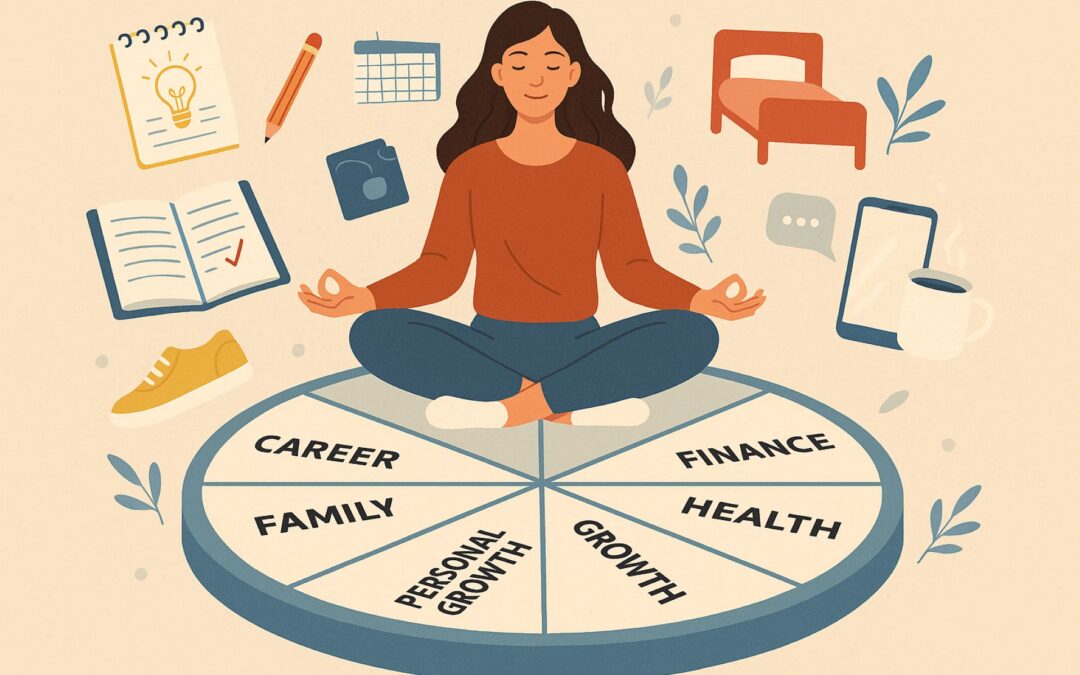
Life often feels like a juggling act, doesn’t it? Between career responsibilities, family obligations, and personal goals, finding true balance can seem impossible. But what if achieving balance didn’t require perfection—just consistent, small habits that add up over time?
By cultivating specific routines and mindsets, we can create a sense of calm and control in our busy lives. The following 15 habits offer practical ways to help you regain equilibrium, stay productive, and find peace amidst the chaos. These habits don’t promise a flawless life, but they do provide tools to navigate the ups and downs with greater ease and confidence.
1. Write Down Ideas and Persistent Thoughts
Our minds are like cluttered storage rooms, filled with random bits of information, fleeting ideas, and half-formed thoughts. The more we try to hold on to these thoughts, the more mental strain we experience, often without even realizing it. This is where the habit of writing down your ideas and persistent thoughts becomes invaluable.
The act of writing, whether in a notebook, a digital app, or on a sticky note, allows you to externalize your thoughts. This process of “getting it out of your head” not only reduces mental clutter but also helps you to prioritize and categorize your thoughts. When you write things down, they’re no longer constantly running in the back of your mind, taking up precious cognitive resources. This means you can focus more effectively on the tasks at hand.
Furthermore, writing things down helps ensure that you don’t forget important ideas or tasks. How many times have you had a great idea only to forget it minutes later? This causes unnecessary frustration and anxiety. By capturing your thoughts as they arise, you eliminate the worry of forgetting them. Instead of mentally repeating to yourself, “I need to remember this,” just write it down, and move on. This process of externalizing also gives you the freedom to focus more clearly on the present moment, rather than being distracted by the constant barrage of thoughts.
It doesn’t have to be complicated. The key is consistency. A quick note is all it takes. Keep a small notebook with you or use your phone’s notes app—whatever works best for you. The goal is to create a habit that turns your mind into a space for clarity and productivity rather than a chaotic jumble of unchecked ideas.
2. Spend Five Minutes Planning Your Week
When it comes to planning, many people fall into the trap of overcomplicating the process. They sit down, thinking they need to map out every detail of their week, only to find themselves overwhelmed by the sheer volume of tasks and responsibilities. The result? Planning becomes a chore, not a tool for alleviating stress. That’s why adopting a five-minute planning habit is a game-changer.
Planning your week in just five minutes forces you to focus on what truly matters. Rather than getting bogged down by every small task, you identify three to five key actions or events for each day. This minimalist approach means you’re not overloading yourself with trivial to-dos. Whether it’s a work deadline, a personal event, or a health goal, your plan centers on the most impactful activities.
Another benefit of this approach is that it prevents over-scheduling. The longer you spend planning, the more likely you are to add unnecessary tasks to the list. This diminishes the value of planning and transforms it from an energizing habit to an overwhelming one. Keeping your planning session short and to the point gives you a clear sense of direction without exhausting you.
Additionally, taking a few minutes the night before to check your list sets you up for success the following day. You wake up with a clear mental roadmap, and there’s no scramble to remember what needs to be done. This proactive approach reduces morning stress, letting you start your day with focus and intention.
3. Control Your Spending Early in the Month
Financial stress is a common source of imbalance in many people’s lives. It often stems from the boom-and-bust cycle that occurs after payday. When you receive your paycheck, there’s an initial sense of relief and freedom—only to spend it impulsively in the first two weeks, leaving you with minimal funds for the rest of the month. This pattern creates unnecessary anxiety and robs you of financial peace. The solution? Establish a habit of controlling your spending early in the month.
The key is to treat the first half of the month like you’re still financially constrained. Pay essential bills as soon as you get paid to remove the immediate pressure of looming expenses. But for discretionary spending—whether it’s shopping, dining out, or other activities—hold off until later in the month. This habit helps break the cycle of mindless spending and allows you to prioritize your financial goals.
By keeping your spending in check early on, you reduce the risk of overspending and put yourself in a better position to manage your finances for the rest of the month. One of the most effective ways to do this is by resisting the temptation to shop in the first two weeks. Even window shopping can trigger unnecessary purchases. If you can avoid walking into stores, you’ll reduce the chances of spending money on things you don’t need.
In addition, you’ll have more breathing room at the end of the month. By the time you reach the last couple of weeks, you’ll have saved up some funds, which means you can afford to treat yourself without the guilt. This habit of controlling spending not only boosts your financial well-being but also reduces the stress that often comes with paycheck-to-paycheck living.
4. Let Go of the “Should” Mentality in Your Social Life
Social life is not a one-size-fits-all affair. At different points in life, our social energy fluctuates. Some weeks, we may feel energized and eager to meet up with friends, while at other times, we might crave solitude or downtime. Unfortunately, the “should” mentality often complicates this natural ebb and flow. We tell ourselves, “I should go out more,” or “I should spend more time with others,” even when our body and mind are telling us the opposite. This creates unnecessary guilt and pressure.
The truth is, your social life doesn’t need to follow a rigid blueprint. Embrace the fact that you won’t always feel the same way about socializing, and that’s completely fine. Instead of adhering to societal expectations or your internal “shoulds,” lean into what feels right for you in the moment. If you’re in a phase where you’re recharging, allow yourself to take a break from social commitments without guilt. Conversely, when you feel energetic and social, take advantage of that burst and schedule more plans.
This approach allows you to honor your personal energy levels rather than force yourself to conform to an external standard. It’s not about how often you socialize, but about finding the balance that works for you. This habit reduces the internal conflict between your desires and external pressures, giving you the freedom to enjoy social experiences without feeling drained or guilty.
5. Cut Back on Non-Essential Tasks
In a world that constantly demands more of us, we often find ourselves trying to meet the expectations in every area of life: work, family, health, finances, and more. The result is a to-do list that feels never-ending, and no matter how hard you try, there’s always something new to add. However, achieving true balance doesn’t require filling every moment of your day with tasks. In fact, balance often comes from reducing the amount of non-essential activities you engage in.
Instead of adding more to your list, take a step back and assess what truly matters. By cutting back on less important tasks, you allow yourself to focus more deeply on the things that align with your values and long-term goals. This habit is about prioritization and mindful decision-making. It means saying “no” to tasks that drain you or don’t contribute to your overall well-being.
When you focus only on the essentials, you reduce the stress and overwhelm that come with trying to juggle everything. This doesn’t mean abandoning your commitments—it means being selective about where you direct your time and energy. Fewer tasks mean more meaningful engagement, which ultimately leads to greater satisfaction and a deeper sense of accomplishment.
This habit also allows you to embrace the concept of “less is more.” When you spend more time on fewer activities, you can go deeper into them, fostering a more rewarding and balanced life. It’s about quality over quantity, ensuring that your energy is spent on things that truly matter to you, rather than merely ticking boxes off a long list.
6. Embrace Structured Morning Focus
Mornings are often considered the most important part of the day, as they set the tone for everything that follows. However, many people squander this prime time by getting sidetracked with distractions, such as checking emails, social media, or aimlessly browsing the internet. The result is a sluggish start, leaving them feeling behind before the day has even truly begun. To combat this, adopting a structured morning focus is one of the most powerful habits you can build.
When you approach your morning with intention, your brain’s natural alertness and energy work in your favor. The key to a productive morning is to structure it around your most important and mentally demanding tasks. This could be tackling a project at work, brainstorming ideas, or engaging in deep work that requires concentration. By focusing on these critical activities first, you leverage your brain’s peak cognitive state, which typically lasts for the first few hours after waking up.
This morning focus doesn’t just help you complete tasks more effectively; it also creates a sense of accomplishment early on, giving you momentum for the rest of the day. When you tick off your most important tasks, you feel empowered to face less demanding activities later in the day. This habit prevents you from procrastinating and ensures that the weightier tasks are dealt with before distractions take hold.
A structured morning doesn’t mean adhering to an elaborate routine; it’s about carving out time for what matters most. Whether it’s a few hours of uninterrupted work, exercise, or self-reflection, set a clear intention for how you want to spend your morning, and stick to it. Not only will this boost your productivity, but it will also help you start your day with a sense of purpose and direction.
7. Lighten Your Load as the Day Goes On
As the day progresses, the demands on our mental and physical energy increase. By midday, decision fatigue sets in—what to eat for lunch, what to do next, and which emails to respond to. This mental exhaustion can leave you feeling drained and less effective, often resulting in the afternoon slump. A key to maintaining balance is to lighten your load as the day goes on, reducing the mental strain and allowing your brain to recharge.
One of the simplest ways to do this is by tackling the most difficult and mentally demanding tasks early in the day, as part of your structured morning routine. Once those are out of the way, your remaining tasks can be lighter and less mentally taxing. This might involve delegating tasks, doing routine work, or engaging in activities that don’t require intense concentration, like organizing or checking emails.
Additionally, try to reduce the number of decisions you make as the day progresses. One way to do this is by organizing your tasks into categories, such as high-priority, medium-priority, and low-priority. After you’ve handled the critical tasks in the morning, move on to the medium- and low-priority items in the afternoon. This approach ensures that your brain isn’t bombarded with decisions throughout the day, allowing you to finish your day with more energy and mental clarity.
By intentionally easing your mental load, you avoid the exhaustion that can come from trying to “power through” a busy day. It’s about being strategic with your energy and ensuring that you’re not overtaxing yourself when you’re least equipped to handle it. This practice of managing your energy throughout the day enables you to remain productive and focused, even when your cognitive resources are starting to dip.
8. Avoid the Couch Right After Work
It’s a familiar routine—after a long day at work, you walk through the door, throw your bags down, and head straight for the couch. It’s tempting to collapse into a comfortable seat and zone out. But this immediate shift to relaxation often leads to inertia. Once you’re on the couch, it becomes incredibly difficult to get back up and engage in anything productive. To combat this, break the habit of sinking into the couch the moment you come home.
Instead of diving straight into relaxation, try engaging in an activity that allows you to transition from work to downtime. This could be something as simple as a 10-minute walk, stretching, or tidying up. The key is to not give in to the immediate temptation of passive relaxation. By giving your body and mind something to do when you first come home, you signal to your brain that it’s time to wind down without immediately switching to “off” mode.
This doesn’t mean that you can’t eventually relax, but by doing a small activity first, you prevent the mental trap of thinking that once you sit down, the rest of the evening is a write-off. Whether it’s preparing a healthy meal, making a to-do list for tomorrow, or setting up your environment for a productive evening, this small initial action gives you momentum and helps maintain balance between relaxation and productivity.
The benefit of this habit is twofold: it encourages a sense of accomplishment early in the evening, and it also sets you up for a more enjoyable, restful time when you do eventually relax. It allows you to be intentional about how you spend your evenings, rather than just letting the hours slip away in front of the TV.
9. Do a 10-Minute Evening Stretch
Stretching is often overlooked in the daily rush of tasks, but its benefits are immense, especially at the end of a busy day. As the day progresses, your body accumulates tension—whether from sitting at a desk, standing for long periods, or simply moving through the motions of life. This tension can negatively affect your sleep quality and overall well-being. A simple 10-minute evening stretch routine can alleviate much of this physical strain, providing immediate relief and fostering a more relaxed state of mind.
The beauty of a 10-minute stretch is that it doesn’t require a lot of time or effort, yet the rewards are substantial. Stretching helps release muscle tightness, promotes better blood flow, and eases the tension stored in your body. This release of physical stress makes it easier to unwind mentally, reducing the overall level of anxiety or restlessness you might feel before bed.
Additionally, stretching has been shown to improve flexibility and mobility over time, contributing to better posture and reduced muscle fatigue. It can also serve as a form of self-care, a way of showing your body kindness after a long day of physical exertion. The best part is that it can be done while you’re watching TV or listening to music, making it a convenient and effortless addition to your evening routine.
Stretching before bed can also improve sleep quality. As your body relaxes and your muscles loosen up, your mind is better able to transition into a restful state. This means that even if you don’t have time for a full workout, you can still end your day on a positive note with a quick stretch session.
10. Prepare for the Next Day the Night Before
Mornings often feel rushed, and it’s easy to find yourself scrambling to get ready for the day ahead. But the simple habit of preparing the night before can make a world of difference. Whether it’s laying out your clothes, packing your bag, or preparing your meals, setting aside a few minutes each night to get organized reduces the mental load of the next morning.
When you prepare the night before, you remove the uncertainty and stress that often comes with morning decisions. You know exactly what you’ll wear, what you need to bring with you, and what you’ll eat. This small act of preparation is like hitting the “reset” button, making your mornings smoother and less chaotic.
In addition to physical preparation, take a few moments to mentally prepare for the next day. Review your schedule, check your to-do list, and visualize your priorities. This allows you to wake up feeling more in control and ready to take on the day. You’re no longer wasting precious mental energy in the morning trying to figure out what to do next, because you’ve already planned ahead.
By incorporating this habit into your routine, you set yourself up for a more focused, calm, and productive morning. Even if you only commit to preparing a few items—like your clothes or your breakfast—you’ll notice a significant reduction in morning stress, allowing you to begin each day with a clear and confident mindset.
11. Have One Early Morning a Week
In the hustle and bustle of daily life, it can be easy to overlook the power of an early start. However, waking up earlier than usual just once a week can have profound effects on your mental and emotional well-being. The stillness and quiet of early mornings provide a rare opportunity for introspection, creativity, and focus—something that is often lacking in the chaos of a typical day.
This early morning doesn’t have to be extreme; you don’t need to start waking up at 4:30 a.m. every day. Instead, aim to wake up an hour earlier than usual on just one day of the week. This gives you a peaceful window of time to clear your mind, enjoy some solitude, and prepare for the week ahead. You could use this time for a variety of activities—whether it’s going for a walk in nature, meditating, writing, or simply enjoying a quiet cup of coffee before the world wakes up.
The benefits of an early start are rooted in the fact that the world is still. You can hear your thoughts without the constant noise of social media, work emails, or phone calls. This time provides the mental space to reflect on your goals, engage in deep thinking, or plan out the day with intention. By waking up before everyone else, you set yourself up for a sense of calm and purpose that can last throughout the week.
The key to this habit is consistency. Even if you only manage to wake up early once a week at first, this can be a powerful reset for your mind. Gradually, you may find that these early mornings help you feel more centered and focused, bringing clarity that permeates the rest of your days. Over time, you may even feel motivated to incorporate more early mornings into your routine, but the habit of starting your week with quiet intention will have already made a positive impact.
12. Create Hourly Blocks for Responding to Messages
In today’s hyper-connected world, it’s easy to feel overwhelmed by the constant barrage of messages coming from emails, text messages, and social media platforms. The pressure to respond immediately can lead to mental exhaustion and can disrupt your workflow. The habit of creating hourly blocks for responding to messages helps mitigate this stress and allows you to manage your communication more effectively.
Instead of responding to messages as soon as they arrive, designate specific times during the day when you check and respond to emails and texts. These scheduled blocks could be in the late morning or early afternoon, for instance, and should be allotted for a set amount of time—15 to 30 minutes at most. By batching your responses, you prevent the mental clutter that comes with constantly checking your phone or email inbox. This focused approach also improves the quality of your responses, as you’ll have time to carefully consider your reply instead of rushing through it.
This method not only reduces the feeling of being “on call” all day but also helps you remain productive during your core work hours. By limiting the distractions of incoming messages, you can focus on your high-priority tasks without interruption. Additionally, you avoid decision fatigue, which can occur when you’re constantly shifting your attention between various sources of communication.
While this habit requires discipline, it’s an effective way to reclaim your time and focus. You’ll feel less overwhelmed by your digital communications and more in control of how you manage your day.
13. Have One Exciting Thing for Yourself Every Day
The monotony of daily life can often lead to a sense of boredom or disconnection, especially when you’re constantly ticking off tasks from your to-do list. To break the routine and bring more joy into your days, it’s important to incorporate at least one exciting activity for yourself every day. This doesn’t have to be a grand gesture; even small moments of excitement can bring a sense of fulfillment and balance.
The idea here is to create something that excites you and provides an emotional boost, something you can look forward to. It could be enjoying your favorite snack, indulging in a hobby, or taking a detour to a new spot after work. For instance, you might have a “Sushi Sunday” where you treat yourself to your favorite sushi or designate “Music Mondays” where you spend some time listening to your favorite tunes or discovering new artists.
Spontaneous moments of joy are crucial for maintaining a positive mindset, but it’s easy to lose track of this in the busyness of life. Setting aside specific activities throughout the week that excite you can help you break free from the routine and reconnect with things that bring you joy. Whether it’s a 15-minute dance break, watching a favorite TV show, or trying something new, these moments allow you to recharge emotionally, making the rest of your day more enjoyable and balanced.
The key to this habit is consistency. If you make it a point to do something exciting every day, it will become a natural part of your routine and give you something to look forward to regularly. Whether you have a big event planned or simply take time to enjoy a personal pleasure, this habit encourages you to prioritize self-care and ensure that your happiness is part of the equation.
14. Rest as Soon as You Feel Sick or Tired
In our fast-paced world, there’s often a glorification of pushing through illness and fatigue. Many people believe that they need to keep going, even when their body is telling them to rest. However, this mindset often leads to prolonged recovery times and worse outcomes down the line. The habit of resting as soon as you feel tired or unwell is essential for maintaining both physical and mental balance.
When you feel a cold coming on or your energy begins to wane, it’s crucial to listen to your body. Resting early, rather than pushing through, prevents the illness from escalating and allows you to recover more quickly. This is particularly important in avoiding the cycle of burnout—where you push yourself too hard and end up exhausted, sick, or mentally drained.
By allowing yourself to rest when necessary, you give your body the opportunity to heal and rejuvenate. This habit also teaches you the value of self-awareness. You become attuned to your body’s signals, whether it’s the onset of a cold or just general fatigue, and you can act on them before things worsen.
Rest doesn’t always mean sleeping; it can also involve reducing your workload, taking a break from mental tasks, or engaging in calming activities. By incorporating this habit into your routine, you avoid falling into the trap of overexertion, and instead, you learn to prioritize your health and well-being. You’ll be able to perform better in the long run by respecting your need for rest, ultimately leading to a more balanced and sustainable lifestyle.
15. Use Motivation Wisely
Motivation is often thought of as a fuel that drives productivity, but the reality is that it fluctuates. Some days you’ll feel inspired and eager to tackle your to-do list, while other days, motivation can feel completely absent. Rather than relying solely on fleeting bursts of motivation, the key is to have a collection of tools and strategies to tap into when your drive dips.
One of the most effective ways to use motivation wisely is by curating a “motivational toolkit.” This could include podcasts, books, inspiring quotes, or videos that help you rekindle your energy and focus when you’re feeling stuck. These resources serve as reminders of your goals and why they matter, sparking inspiration when you need it most. When motivation feels low, having this toolkit on hand gives you a way to reignite your passion and push through the dip.
Additionally, it’s important to surround yourself with people who inspire you. Reach out to friends, mentors, or colleagues who encourage and uplift you when your motivation wanes. A quick conversation or a supportive message can provide the boost you need to get back on track.
This habit is all about recognizing that motivation isn’t always a constant, and that’s okay. Instead of waiting for motivation to strike, prepare yourself to access it when you need it most. By keeping your motivational resources readily available, you can stay focused and keep moving forward—even on the tough days.
Conclusion
Achieving balance isn’t about mastering every aspect of life all at once; it’s about creating a sustainable rhythm that allows you to thrive. These 15 habits aren’t quick fixes—they are small but powerful changes that, when practiced consistently, lead to long-term results.
Whether it’s waking up early once a week, structuring your mornings for focus, or simply taking time to rest when needed, these habits help restore a sense of control and fulfillment. Life will always have its challenges, but by adopting these routines, you’ll be better equipped to face them with clarity and purpose. Balance isn’t a destination; it’s a practice—one that evolves as we do.