
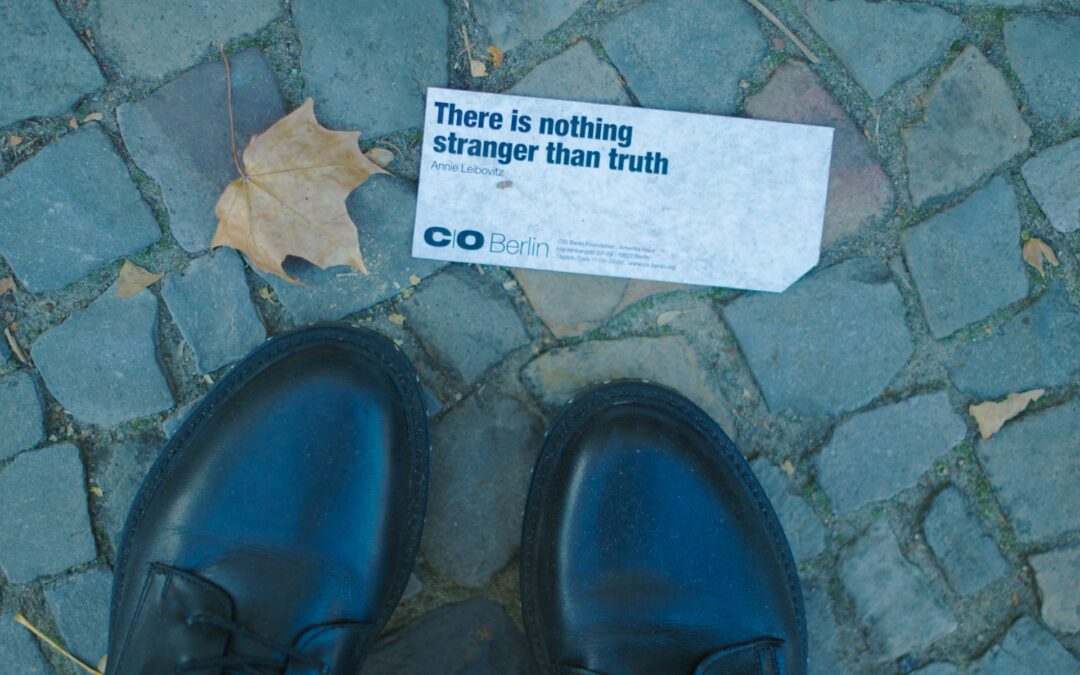
Ever feel like life is a tangled mess you just can’t straighten out? Like no matter what you try, something slips, breaks, or explodes? The truth is, untangling your life isn’t about quick fixes or feel-good mantras. It’s about facing brutal realities that most people shy away from—the kind of truths that sting, challenge, and force real change. This article dives into seven harsh truths that, once embraced, can help you cut through the chaos, own your choices, and finally start unfucking your life. Ready to get real? Let’s jump in.
1. Everything in Life is a Trade-Off
At the core of every decision lies an invisible ledger: what you gain comes at the expense of something else. Life’s fundamental architecture is built upon this delicate balance of trade-offs. Whether you realize it or not, you are constantly negotiating what to keep and what to surrender.
The seemingly trivial trade-offs are easy to spot. You pay $10 for a coffee in Melbourne’s hip café district, and in exchange, you get a meticulously crafted cup of caffeine. This transaction is clear, immediate, and quantifiable. But the stakes become much higher and far murkier when we look at the trade-offs embedded in life’s bigger decisions—the choices that shape your identity, your relationships, and your future.
Consider decisions about where to live, who to marry, what career to pursue, or what values to prioritize. These trade-offs are not just economic; they’re emotional, psychological, and existential. They ripple through time, affecting your happiness, social circle, personal growth, and sense of meaning.
The challenge is that these long-term trade-offs are shrouded in abstraction. Unlike a coffee purchase, there’s no spreadsheet or checklist that can map out the full cost and benefit. Our brains are evolutionarily optimized to handle immediate, tangible trade-offs but struggle to process complex, delayed consequences tied to emotions and identity.
Because of this cognitive limitation, we often make these crucial trade-offs poorly or subconsciously deny their existence altogether. We might jump into a relationship enamored by passion and overlook the inevitable conflicts, sacrifices, and compromises that will follow. Or we chase a high-powered career dazzled by status and income but neglect the stress, time demands, and fractured personal life that come with it.
This disconnect leads to what Mark calls “overvaluing short-term emotions and undervaluing long-term commitments.” The short-term highs seduce us with promises of instant relief or excitement, while the long-term costs quietly accumulate like debt. Eventually, this imbalance triggers crisis points—breaking up marriages, quitting jobs, or uprooting lives in dramatic, impulsive ways.
Using the vivid metaphor of eloping to the beach with Rocco the coconut vendor, we see the essence of this dilemma. The romantic fantasy glitters with sunshine, exotic allure, freedom, and endless coconuts. But behind the veil lies the stark reality of financial instability, social alienation, and daily discomforts. The choice isn’t just between joy and misery—it’s about trading one set of pains for another, more aligned with your deeper values.
Mastering the art of trade-offs means developing the capacity to recognize these costs before the emotional storm hits. It requires clear-eyed self-reflection and the courage to accept that choosing one path always means giving up countless others. Every “yes” is a “no” to something else.
Embracing this reality liberates you from the paralysis of indecision and the chaos of regret. It allows you to make choices that, while imperfect, align authentically with your priorities and long-term vision. When you accept that nothing is free, that happiness always demands sacrifice, you start living intentionally rather than reactively.
Trade-offs aren’t barriers—they’re the currency of freedom. The freedom to choose who you want to become, what kind of life you want to build, and what costs you’re willing to bear for it. This mindset is the foundation for unfucking your life.
2. Our Minds Deny Trade-Offs Exist
Acknowledging trade-offs feels like admitting loss, and our brains are wired to resist that. Denial is a survival mechanism designed to protect us from pain, but in the complex terrain of modern life, it becomes a psychological trap. When faced with sacrifices tied to identity, emotion, or long-term consequences, our minds instinctively reject the idea that any trade-off exists at all.
This denial is why so many people dive headfirst into major life decisions without fully grasping the hidden costs. We jump into relationships idealizing only the honeymoon phase, ignoring the inevitable conflicts and compromises ahead. We chase dream jobs dazzled by prestige and salary, blind to the stress, long hours, and toxic politics lurking beneath. We buy into lifestyles or hobbies thinking they’ll bring fulfillment, only to discover the hidden toll they exact on time, energy, and mental health.
The problem is compounded by the abstract, intangible nature of these trade-offs. Unlike a clear-cut financial transaction, these costs are often invisible until they’ve snowballed into problems. Our brains, shaped by evolution to prioritize immediate rewards and survival, are ill-equipped for evaluating nebulous, long-term sacrifices. This creates a blind spot where emotional overwhelm kicks in.
When overwhelmed, the primal brain takes over, defaulting to black-and-white thinking as a defense. Complex realities become simplified into all good or all bad, with no room for nuance. Cognitive dissonance—the mental discomfort caused by holding conflicting thoughts or emotions—becomes unbearable. To resolve it quickly, our minds resort to oversimplifications and distortions.
This mental shortcut leads to false narratives: “This relationship is perfect” or “This job is a nightmare,” ignoring the messy middle where trade-offs actually live. We convince ourselves that sacrifice isn’t happening or that the costs don’t matter, all to protect fragile feelings and avoid tough decisions.
But this denial breeds repeated mistakes. Ignoring trade-offs means entering into commitments blindfolded, then being blindsided later by unmet expectations and unforeseen costs. It sabotages personal growth by fostering illusions that real change comes without pain or sacrifice.
Cultivating awareness of trade-offs, even when they’re uncomfortable, is essential mental hygiene. It’s like brushing your teeth—not glamorous, but necessary to prevent decay. Regularly confronting the reality of what you’re giving up sharpens your judgment and builds resilience.
The antidote to this denial is disciplined reflection. Ask yourself: What am I sacrificing for this choice? What long-term costs am I ignoring? How might my emotions be clouding my perception? By bringing these trade-offs into conscious awareness, you empower yourself to make more balanced, authentic decisions.
In a world awash with distractions and instant gratification, this clarity is rare but invaluable. It prevents you from falling prey to the animalistic impulse for immediate pleasure or avoidance of pain, helping you engage your rational mind to navigate life’s complex trade-offs with nuance and courage.
3. We Blame Others for Costs and Take Credit for Benefits
When things go sideways, it’s a natural human reflex to look outward for the cause. It’s far easier—and less painful—to blame others for the costs we endure than to accept responsibility. Conversely, when life hands us wins, we’re quick to internalize the glory, patting ourselves on the back for our brilliance or hard work.
This psychological pattern, known as the actor-observer bias, deeply distorts how we perceive our own actions versus those of others. If you cut someone off in traffic, your mind justifies it with excuses: “I was late, it was an emergency.” But when another driver does the same, they’re reckless, selfish, and deserving of scorn. This double standard shields our ego from guilt while demonizing others.
Such biased thinking fuels a toxic cycle of entitlement. Entitlement is the pernicious belief that we deserve benefits without bearing proportional costs—that life should reward us generously without demanding sacrifices in return. To maintain this illusion, our minds must reject the existence of trade-offs altogether, creating a black-and-white worldview where we see ourselves as perpetual victims or uniquely deserving champions.
Entitlement doesn’t just warp personal perspectives; it corrodes social bonds and moral character. When we externalize blame, we deny our own agency and erode accountability. This fosters resentment and breeds conflict—within families, workplaces, and society at large. Groups fracture into opposing camps, each convinced that others are the root of all problems, further entrenching division and hostility.
The tragedy of entitlement is that it blinds us to our own role in the difficulties we face. It traps us in a victim mindset where progress feels out of reach, and responsibility is a burden to evade. Worse, entitlement often masquerades as justified grievance, making it socially acceptable and even encouraged in certain circles.
Breaking free from this mindset demands brutal self-honesty. It means owning both the costs and benefits of your choices—no matter how uncomfortable that may be. It means recognizing that while external circumstances influence your life, they don’t absolve you of responsibility for how you respond and what you do next.
True empowerment and freedom emerge from this ownership. When you stop blaming others for your pain and stop denying the sacrifices you’ve made, you reclaim control. You transform from a passive reactor to an active architect of your life.
This shift also fosters empathy. Recognizing your own faults and trade-offs softens judgment toward others, dismantling the “us versus them” mentality. Instead of seeing enemies, you begin to see fellow travelers—each navigating their own complex web of costs and benefits.
Ultimately, dismantling entitlement is essential for personal growth, healthy relationships, and societal harmony. It clears the path for genuine accountability, richer connection, and a clearer-eyed understanding of reality. Only then can you truly unfuck your life.
4. The Enemy of Growth is Not Stagnation But Delusion
When we talk about growth, the natural assumption is that it hinges on acquiring new information, adopting fresh habits, or discovering life-changing perspectives. Yet, this is only part of the story. The real enemy isn’t staying still—it’s delusion: the false beliefs and self-deceptions that cloud our judgment and trap us in repetitive, unproductive cycles.
Delusion masquerades as comfort. It’s the comforting lie that “I’m doing fine,” or “This approach works for me,” even when evidence suggests otherwise. It’s the mental static that drowns out clear signals, making it difficult to discern what truly benefits us and what merely distracts or harms.
This fog of misunderstanding fuels frustration and inertia. We chase motivation, look for quick fixes, or consume endless self-help content, hoping for a magic bullet to unlock change. But without confronting the underlying illusions—those inaccurate maps of self and world—no amount of new data or habits will yield lasting transformation.
Growth, therefore, is as much about unlearning as learning. It’s about peeling away layers of faulty assumptions, biased thinking, and emotional blind spots. It demands the humility to admit that some of what you believe is wrong, that certain patterns in your life don’t serve you, and that painful truths must be faced head-on.
A crucial mindset shift is to approach personal development not as a mission to “fix” yourself overnight, but as an ongoing experiment. This removes the weight of expectation and judgment. Instead of setting rigid goals for immediate perfection, treat changes as trials to gather information.
For example, try giving up alcohol for a month—not to become a new version of yourself instantly, but to observe how it affects your energy, mood, and relationships. Cut out social media for a week and notice shifts in focus or anxiety. These experiments create a feedback loop where you learn what really works for your unique life.
This iterative process acknowledges that personal development is deeply individual. No generic roadmap exists because your values, biology, circumstances, and psychology are singular. What thrives for one person might falter for another.
By embracing experimentation, you strip away the delusion of “one size fits all” solutions. You learn to trust your own data, adjusting course as you go. This empowers you to distinguish genuine growth from fleeting trends or hollow advice.
In essence, growth is a battle against your own mental clutter—the delusions that keep you stuck in unproductive habits and dysfunctional beliefs. Winning this battle requires patience, curiosity, and relentless honesty with yourself.
When you clear away delusion, the path forward becomes visible. You stop spinning your wheels chasing illusory progress and begin making authentic strides that align with your true self. This clarity is the key to unfucking your life for good.
5. All Trade-Offs Cause Pain. Bad Trade-Offs Cause Suffering.
Pain is the inevitable price tag attached to every significant choice. Life doesn’t offer rewards without costs—there’s no such thing as a free lunch, and certainly no pain-free path to growth or fulfillment. Yet, the distinction between pain and suffering is subtle and crucial.
The Buddha’s allegory of the two arrows illuminates this beautifully. The first arrow represents the immediate pain of an event—be it physical injury, emotional hurt, failure, or loss. This pain is often sharp, undeniable, but ultimately transient. It stings, but it heals. It forces you to confront reality and adapt.
The second arrow, however, is the mental narrative we craft around that initial pain. It’s the story we tell ourselves: “Why me? Why did this happen? It’s unfair. I don’t deserve this.” These stories amplify the original hurt, dragging it out indefinitely. Unlike the first arrow, the second one sticks around, festering and poisoning our mental landscape.
Most suffering doesn’t come from what happens, but from how we interpret and react to what happens. This endless mental rumination becomes a prison, shackling us to past pain and preventing healing.
The antidote lies in consciously choosing your “first arrow”—the pain you’re willing to endure because it aligns with your values, purpose, or long-term goals. This pain, though hard, feels meaningful and even energizing. It’s the discomfort of growth, the struggle of mastery, the tension of pursuing something worthwhile.
Mark Manson’s own experience as a musician underscores this truth. Practicing an instrument is tedious, frustrating, and grueling—what he calls the “first arrow.” Some musicians, like his classmate Chris McQueen, loved practicing, so it didn’t feel like suffering. Others, like Mark, wrestled with it intensely.
Understanding which “first arrows” you’re willing to bear helps you avoid bad trade-offs—choices where the pain is unbearable, meaningless, or simply destructive. These bad trade-offs cause suffering because they lack purpose and don’t bring lasting benefit.
Good trade-offs, on the other hand, embrace a kind of purposeful suffering. Writing a book, training for a marathon, building a business—all demand pain, but that pain is the vehicle for achievement, growth, and fulfillment.
This mindset shift—from avoiding pain altogether to consciously selecting which struggles to embrace—is transformative. It makes you resilient to the “second arrow,” because you’ve reframed pain as an expected, necessary, and even desirable part of the journey.
When you accept this, you stop fearing discomfort and start seeking the challenges that enliven you. You become immune to the mental traps of blame and resentment, because you know you chose your path—and its costs.
Ultimately, this conscious relationship with pain is a cornerstone of unfucking your life. It frees you from paralysis, excuses, and victimhood, and sets you on a path of authentic growth and meaning.
6. The More Downside You Can Stomach, The More Upside You Will Enjoy
Success, mastery, and fulfillment rarely come without significant sacrifice. The harder you’re willing to endure, the greater your potential rewards—but this reality is double-edged and often misunderstood.
Arnold Schwarzenegger’s journey exemplifies this brutal truth. His daily routine in the 1970s was a grueling testament to relentless discipline: waking at dawn, crushing hours of weight training, laboring as a construction worker, napping, and then hitting the gym again. This punishing schedule stretched for years, demanding physical exhaustion, social isolation, and emotional strain.
Most people fixate on the obvious lesson: if you endure more pain, you get better results. While true, this surface takeaway misses the deeper complexity embedded in such extreme commitment.
Every intense pursuit demands the shedding of former identities. When you devote yourself to one path—say, becoming a professional bodybuilder—you simultaneously relinquish countless alternative selves. You leave behind old friendships, hobbies, routines, and comforts. This process entails a form of existential grief, akin to mourning the loss of who you once were.
This grief is often overlooked but is a silent, powerful force in transformation. It’s the emotional cost of change that many don’t anticipate or prepare for. Losing a former self, even for a better one, creates a void filled with uncertainty, nostalgia, and sometimes regret.
Mark Manson’s personal health journey illustrates this profoundly. Attempting to lose weight wasn’t just about diet and exercise; it involved confronting how intertwined food and alcohol were with his social life and emotional coping mechanisms. Cutting back on drinking meant losing friends who bonded over partying. It forced him to reimagine his identity and social landscape.
The willingness to stomach not only the physical or mental “downsides” but also this deep psychological loss separates those who succeed from those who falter. It’s a holistic sacrifice—physical, emotional, social, and existential.
Recognizing that growth demands this multi-layered cost helps set realistic expectations and cultivates resilience. It’s not enough to endure pain; you must also grieve, adapt, and rebuild. This process is uncomfortable, messy, and ongoing.
But here lies the paradox: the more you accept and integrate these losses, the more genuine and sustainable your upside becomes. You don’t just gain success or skills—you gain a new self, refined through sacrifice and struggle.
This perspective also highlights the necessity of choice. Since you cannot pursue every possible path simultaneously, choosing one means consciously letting go of others. That act of letting go is as crucial as the work you put in on the chosen path.
Embracing this reality—of downside and loss as inseparable companions to upside and gain—is essential to unfucking your life. It prepares you not only to endure hardship but to find meaning in it, to harness it as fuel for growth and fulfillment.
7. There Is No Such Thing as a Balanced Life
The idea of a perfectly balanced life is a comforting myth, but it’s fundamentally unattainable—especially in today’s hyper-connected, opportunity-saturated world. We’re bombarded with endless possibilities: career paths, social events, hobbies, fitness trends, travel destinations, and so much more. The sheer volume of options makes trying to “do it all” a recipe for overwhelm and burnout.
Balance implies equal distribution—equal time, energy, and focus across every aspect of life. But humans are not machines; we have limited bandwidth, finite energy, and shifting priorities. Trying to spread yourself evenly across too many domains dilutes your impact and leaves you exhausted.
Instead, your life will always be unbalanced, and that’s not only inevitable—it’s necessary. You naturally gravitate toward certain interests, relationships, and values that resonate more deeply with you. You’ll enjoy some sacrifices more than others, and that preference is a powerful compass for where to invest your time and energy.
Specialization is the antidote to the paralysis of infinite choices. It means deliberately narrowing your focus to a few key areas that bring disproportionate returns in happiness, meaning, and success. Rather than stretching yourself thin trying to excel at everything, you go deep in what matters most.
This often means saying no—sometimes ruthlessly—to good things in order to say yes to great things. You might choose to pour yourself into your career at the expense of a sprawling social life. Or you might prioritize family and personal health over constant professional advancement. Whatever you choose, it’s the focused investment that produces real growth and fulfillment.
Clinging to the illusion of balance often masks a fear of missing out or an unwillingness to commit. It creates a stressful juggling act, where you’re constantly trying to please everyone and everything, but ending up overwhelmed and unfulfilled.
Accepting life’s inherent imbalance frees you from this exhausting charade. It lets you embrace your unique preferences and priorities, align your actions with your true self, and cultivate a life rich in meaning rather than scattered across superficial pursuits.
This mindset shift also protects your mental well-being. When you recognize that neglecting some areas is not failure but a strategic trade-off, you alleviate guilt and anxiety. You build resilience by focusing on what truly fuels you.
Ultimately, rejecting the myth of balance and embracing purposeful imbalance is a radical act of self-care and clarity. It’s about owning your choices and their consequences, leaning into your passions and values, and crafting a life that’s authentically yours.
In an age overwhelmed by options and distractions, this ability to focus—and to say no—is one of the most powerful skills you can develop. It’s the final piece in unfucking your life.
Conclusion
Life doesn’t hand out fairness or ease; it demands trade-offs, accountability, and the courage to face uncomfortable truths. Embracing these seven harsh realities isn’t about surrendering to hardship but about reclaiming control—choosing your pain, owning your costs, and focusing your energy where it matters most. When you stop denying trade-offs, stop blaming others, and shed delusions, you build a foundation of clarity and resilience. The path to unfucking your life lies not in chasing perfection or balance but in accepting complexity, embracing purposeful struggle, and forging a life aligned with your deepest values. This is where true freedom—and lasting fulfillment—begin.