
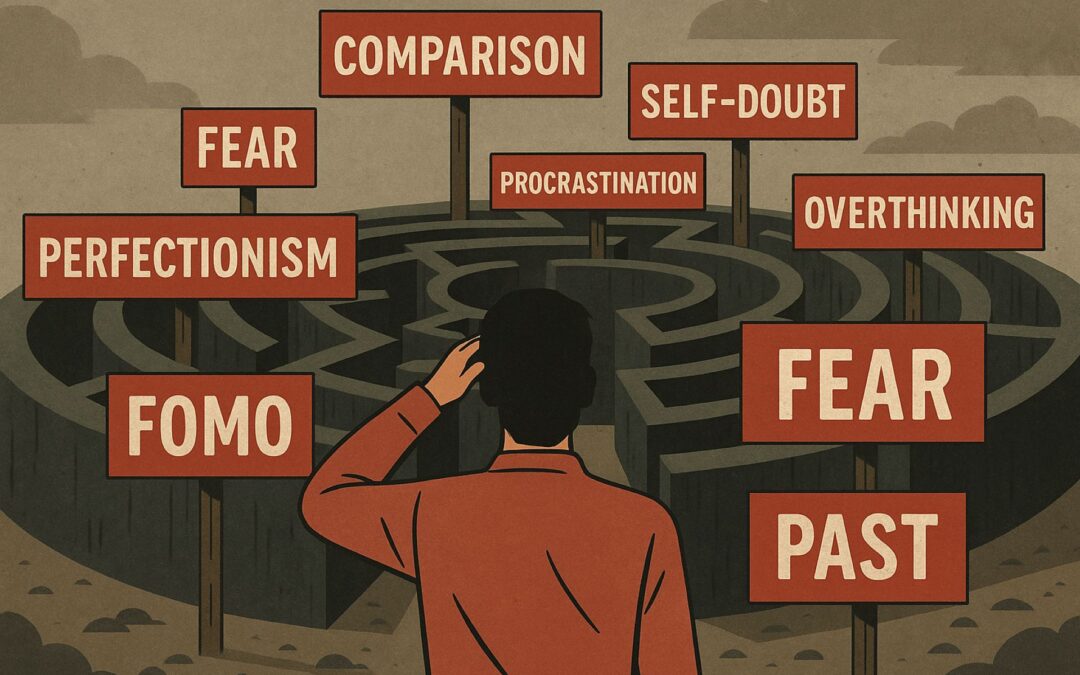
Life is a complex tapestry woven with aspirations, dreams, and experiences, yet many of us find ourselves ensnared in invisible traps that hinder our progress. These traps, often subtle and insidious, can lead us to a state of stagnation, preventing us from realizing our true potential.
From the relentless cycle of comparison to the paralyzing grip of perfectionism, these obstacles can manifest in various forms, affecting our mental well-being and personal growth. Understanding these fifteen life traps is the first step toward breaking free and reclaiming the path to fulfillment.
By recognizing and addressing these barriers, we can cultivate resilience, foster self-awareness, and embark on a journey of genuine self-improvement.
1. The Trap of Comparison
The modern landscape is littered with comparisons, often exacerbated by social media platforms where users meticulously curate their lives for public consumption. This incessant barrage of “highlight reels” creates a dangerous environment where individuals often find themselves measuring their self-worth against the achievements of others. The allure of comparison can lead to feelings of inadequacy, jealousy, and frustration, undermining self-esteem and mental well-being.
Research underscores the detrimental effects of this trap. A 2019 study in the Journal of Social and Clinical Psychology highlighted the link between excessive social media use and increased anxiety and depression, particularly among Millennials. It found that the constant exposure to the perfect lives of others leads to feelings of social isolation and self-doubt. The study’s authors concluded that the pressure to maintain a polished public persona on social media can exacerbate existing mental health issues or even create new ones.
To escape this trap, one must embrace the idea that each person’s journey is unique. It is essential to recognize that you are comparing your beginnings to someone else’s middle or end. Instead of viewing others’ successes as reflections of your inadequacies, reframe your perspective to focus on personal growth and milestones. Setting individual goals and celebrating small achievements can shift your focus from comparison to self-improvement. Engage in practices such as gratitude journaling, where you reflect on your personal progress, which can help cultivate a more positive self-image and reduce feelings of inadequacy.
2. The Illusion of Perfectionism
Perfectionism often masquerades as a virtue, presenting itself as a pursuit of excellence. However, this relentless quest for perfection can lead to a paralyzing fear of failure. When you hold yourself to impossibly high standards, the fear of not meeting those standards can become overwhelming, causing you to avoid taking risks altogether. The truth is, life is inherently messy, and the pursuit of perfection often leads to disappointment, burnout, and decreased creativity.
One way to break free from the shackles of perfectionism is to adopt a mindset centered on progress rather than perfection. This shift involves acknowledging that mistakes and imperfections are integral to the learning process. Embrace the philosophy that “done is better than perfect.” This mindset encourages action and experimentation rather than paralyzing fear.
In practice, this could mean setting more achievable goals and focusing on the completion of tasks rather than their flawless execution. It’s important to celebrate progress and recognize that every step forward, no matter how small, contributes to your overall journey. Surrounding yourself with supportive individuals who understand that perfection is unattainable can also help create an environment conducive to growth and self-acceptance. By embracing imperfection, you foster resilience and open yourself up to new opportunities and experiences that may have been previously overlooked in the quest for unattainable ideals.
3. The Fear Factor
Fear is a natural response to uncertainty, often manifesting as a formidable barrier to progress. It can stem from various sources, including the fear of failure, fear of rejection, or fear of the unknown. While fear can serve as a protective mechanism, it can also paralyze you, keeping you from taking necessary actions toward your goals.
To confront fear, it’s crucial to understand that it is merely a feeling and not an immutable reality. Courage is not the absence of fear; rather, it is the ability to act in spite of it. This means acknowledging your fears and developing strategies to navigate them.
One effective approach is to visualize the worst-case scenario and assess its feasibility. Often, the worst-case scenario is not as dire as we imagine. For example, if you fear public speaking, envisioning the experience can help you identify specific concerns and address them directly. This process can demystify fear and reduce its power over you. Additionally, practice exposure therapy by gradually confronting the situations that frighten you. Start with small steps and gradually escalate your involvement, allowing yourself to acclimate to the discomfort.
Moreover, framing fear as a natural part of the journey can help shift your mindset. Understand that feeling fear does not signify weakness; it often indicates that you are stepping outside your comfort zone. Embrace this discomfort as a catalyst for growth and transformation, allowing fear to become a guiding force rather than a hindrance.
4. The Procrastination Pitfall
Procrastination is a widespread struggle that affects countless individuals, often leading to feelings of guilt, shame, and frustration. It typically arises when the tasks at hand seem overwhelming or daunting, causing people to put off important work in favor of distractions or less pressing matters. This tendency to delay can create a cycle of stress and anxiety, as the consequences of inaction pile up.
To combat procrastination, it is essential to recognize the root causes. Often, it stems from fear—fear of failure, fear of criticism, or even fear of success. When faced with a task that feels insurmountable, our minds may overestimate the effort required, prompting avoidance behaviors.
Breaking tasks into smaller, manageable components can be a powerful strategy to combat this tendency. For instance, instead of viewing a large project as a monolith, break it down into individual steps, each with its own deadline. This approach can make the overall task feel less overwhelming and more achievable. Additionally, using tools such as the Pomodoro Technique—where you work for 25 minutes and then take a five-minute break—can enhance focus and productivity.
Creating a structured schedule and setting specific deadlines for each task can help impose accountability. Furthermore, practicing self-compassion is crucial; acknowledge that everyone struggles with procrastination at times. Rather than berating yourself, treat setbacks as opportunities for learning. By developing a proactive mindset and utilizing effective strategies, you can break free from the procrastination trap and reclaim control over your time and productivity.
5. The Self-Talk Spiral
Negative self-talk has become a pervasive issue in contemporary society, often glorified in media and social interactions. This internal dialogue can take many forms, from self-deprecating humor to harsh self-criticism. While humor can sometimes serve as a coping mechanism, relying on negative self-talk can significantly harm your self-esteem and mental health.
The consequences of negative self-talk are far-reaching. It can lead to a diminished sense of self-worth, increased anxiety, and even depression. Moreover, this internal dialogue often becomes a self-fulfilling prophecy, as the more you engage in negative self-talk, the more it can shape your reality.
To counteract this detrimental habit, start by practicing self-compassion. Instead of being your own harshest critic, strive to be your own best friend. Recognize that everyone makes mistakes and experiences setbacks; this is a natural part of the human experience. Challenge negative thoughts as they arise, and replace them with positive affirmations.
For instance, if you find yourself thinking, “I’m not good enough,” reframe that thought to something more constructive, such as, “I am learning and growing every day.” Keeping a journal can also help track your thoughts and feelings, allowing you to identify patterns and trigger points for negative self-talk. This awareness can empower you to redirect your thoughts in a more positive direction.
Additionally, surrounding yourself with supportive individuals who uplift and encourage you can foster a more positive self-image. Engage in activities that promote self-love and self-acceptance, such as mindfulness practices, exercise, or creative pursuits. By cultivating a healthier internal dialogue, you can break free from the cycle of negativity and foster resilience and self-confidence.
6. The FOMO Trap
The fear of missing out (FOMO) has become a defining characteristic of modern life. Fueled by social media and societal expectations, FOMO can create an overwhelming sense of urgency to conform to the experiences and choices of others. This fear can lead individuals to prioritize activities that may not align with their true desires, resulting in feelings of anxiety and dissatisfaction.
FOMO often manifests as a reactive approach to decision-making, where you feel compelled to participate in events or make choices simply because others are doing so. This external pressure can create a sense of agitation and contribute to feelings of disconnection from your true self.
To combat FOMO, it is essential to cultivate self-awareness and clarity about your values and interests. Take time to reflect on what truly matters to you and what brings you joy. Assess whether the choices you make are genuinely in line with your aspirations or merely reactions to societal pressures. Practicing mindfulness can help you stay grounded in the present moment, reducing the influence of external factors on your decisions.
Moreover, limit your exposure to social media or curate your feeds to follow individuals who inspire and motivate you, rather than those who trigger FOMO. This can create a healthier online environment that promotes authenticity and connection. When you prioritize your own path over the fear of missing out, you’ll find a renewed sense of clarity and purpose in your life, allowing you to make choices that resonate with your authentic self.
7. The Overthinking Abyss
Overthinking can lead to analysis paralysis, where you become so consumed by thoughts and possibilities that you fail to take action. This mental trap can create a sense of overwhelm, leaving you feeling stuck and indecisive. Overthinkers often find themselves caught in a cycle of doubt, replaying scenarios in their minds without arriving at a resolution.
The world is shaped by individuals who take decisive action. Those who continually overthink often miss out on valuable opportunities, as they are stuck in a loop of uncertainty. To combat overthinking, set time limits for decision-making. Give yourself a specific timeframe to weigh your options, and then commit to a course of action.
Recognize that not every decision requires exhaustive deliberation. Often, the best course of action is to make an informed choice and learn from the outcomes. Embrace the idea that mistakes are valuable learning experiences, and allow yourself to act without the weight of perfectionism hanging over you.
Additionally, engage in mindfulness practices to help clear your mind and focus on the present moment. Techniques such as meditation or deep breathing can help reduce anxiety and promote clarity, allowing you to approach decisions with a more balanced perspective. By adopting a proactive mindset and focusing on action rather than rumination, you can escape the overthinking abyss and regain control over your decision-making process.
8. The Fear of Failure
Fear of failure is a universal experience that can paralyze individuals from pursuing their goals and dreams. Society often stigmatizes failure, associating it with weakness or inadequacy. However, reframing your perspective on failure can empower you to embrace it as an integral part of the growth process.
Failure is not the end; it is a stepping stone to success. It provides valuable lessons and insights that can shape your future endeavors. A healthy fear of failure can serve as a motivator, prompting you to prepare and strategize effectively. For instance, if you’re starting a new venture, allow the fear of failure to guide your planning and risk assessment rather than paralyzing you.
Striking a balance between confidence and caution is crucial. You need to cultivate more self-assurance than trepidation. This can be achieved by setting realistic goals and breaking them down into manageable steps. Celebrate small victories along the way, reinforcing your belief in your abilities.
Moreover, embrace failure as an opportunity for growth. Reflect on past failures and identify the lessons learned. This practice can foster resilience and adaptability, allowing you to approach future challenges with greater confidence. By reframing failure as a natural and valuable part of the journey, you empower yourself to take risks and pursue your aspirations without fear.
9. The Validation Trap
In a society that often prioritizes external approval, seeking validation from others can become a crippling trap. Relying on others’ opinions can erode your self-worth and lead to a constant state of comparison. When you seek validation outside yourself, you may find yourself perpetually dissatisfied, as external sources of approval are often fleeting and unreliable.
To escape the validation trap, focus on nurturing your sense of self-worth from within. Reflect on your values, passions, and aspirations, and seek fulfillment from activities that resonate with your true self. This could involve pursuing hobbies, engaging in creative expression, or contributing to causes that matter to you.
Celebrate your achievements, no matter how small, and acknowledge your unique journey. Instead of measuring your success against others, embrace the concept of personal growth. You are the architect of your life; take ownership of your narrative and decisions.
Additionally, practice self-affirmation by regularly acknowledging your strengths and accomplishments. Surround yourself with individuals who uplift and encourage you, fostering an environment of support and positivity. By prioritizing self-validation and personal growth, you reclaim your power and empower yourself to live authentically.
10. The Comfort Zone Conundrum
Comfort is essential for well-being, but too much of it can lead to stagnation. When you become overly comfortable, you risk losing sight of your goals and aspirations. Growth often requires stepping outside your comfort zone and embracing challenges that stretch your capabilities.
To counteract the comfort zone conundrum, seek out new experiences that push your boundaries. This could involve pursuing a new hobby, taking on a challenging project at work, or engaging in activities that require you to step outside your usual routine. By intentionally embracing discomfort, you create opportunities for personal growth and self-discovery.
Additionally, setting ambitious yet achievable goals can help motivate you to move beyond your comfort zone. Break these goals down into smaller steps, allowing yourself to celebrate progress along the way. This practice can foster a sense of accomplishment and reinforce your ability to embrace new challenges.
Cultivating a growth mindset is also crucial. Embrace the idea that challenges are opportunities for learning and development. By reframing your perspective on discomfort, you can approach new experiences with curiosity rather than fear. Remember, it’s in the moments of challenge and uncertainty that we often find our greatest potential.
11. The Weight of the Past
Clinging to the past can be a significant barrier to personal growth. Many individuals carry emotional baggage from past experiences, allowing those memories to define their present selves. Whether it’s a past failure or a moment of triumph, these snapshots can distort your self-perception and hinder your progress.
To release the weight of the past, practice mindfulness and self-reflection. Acknowledge your past experiences, but recognize that they do not define you. Focus on who you are today and who you aspire to become. Embrace the opportunity to create new memories and experiences that align with your current values and goals.
Engaging in practices such as journaling can help you process past experiences and gain clarity. Write about your feelings, reflect on lessons learned, and explore how these experiences have shaped you. This exercise can facilitate healing and allow you to let go of negative emotions associated with the past.
Moreover, seek support from friends, family, or mental health professionals if needed. Sometimes, discussing your feelings with someone who understands can provide valuable insights and perspectives. By letting go of the past, you create space for new possibilities and growth, allowing you to move forward with confidence and clarity.
12. The Grudge Trap
Holding grudges can poison your mental and emotional well-being. When you allow negative feelings toward others to fester, you grant them power over your thoughts and emotions. This emotional burden can consume you from the inside out, preventing you from experiencing joy and fulfillment.
To break free from the grudge trap, practice forgiveness—not necessarily for the sake of others but for your own peace of mind. Acknowledge the hurt you’ve experienced, but consciously choose to let it go. This act of forgiveness can be liberating, allowing you to reclaim your energy and focus on more positive aspects of life.
Consider engaging in a forgiveness meditation, where you visualize the person you are holding a grudge against and consciously release the negative feelings associated with them. This practice can create a sense of closure and promote emotional healing.
Additionally, focus on cultivating empathy. Recognize that everyone is human and prone to mistakes, including yourself. By understanding that others may have acted out of their pain or ignorance, you can foster compassion and reduce the emotional weight of holding onto grudges. Life is too short to allow past grievances to dictate your present happiness; by letting go, you open yourself up to a brighter, more fulfilling future.
13. The Comfort-Dependency Cycle
While comfort is necessary for well-being, an overreliance on comfort can lead to dependency. This can manifest in various ways, such as an inability to face challenges or seek help from others rather than developing self-reliance. In an era where convenience is prioritized, it’s crucial to cultivate independence to fully realize your potential.
To combat the comfort-dependency cycle, embrace challenges that force you to step outside your comfort zone. Set personal goals that require you to rely on your skills and judgment, rather than leaning on others for support. This focus on self-reliance fosters resilience and empowers you to navigate life’s complexities with confidence.
Start by identifying areas in your life where you may be overly dependent on others. This could include seeking validation, relying on others for decision-making, or hesitating to take risks. Once identified, create a plan to gradually take on more responsibility in these areas. For instance, if you tend to rely on friends for social engagements, challenge yourself to initiate plans independently.
Additionally, practice problem-solving independently, whether through small daily challenges or larger life decisions. Engage in activities that promote self-sufficiency, such as cooking meals, managing your finances, or pursuing hobbies that require skill development. By prioritizing self-reliance, you empower yourself to thrive in any situation, unlocking your full potential.
14. The Mistrust Mindset
A pervasive sense of mistrust can alienate you from others, creating a barrier to meaningful relationships. While caution is warranted after negative experiences, assuming that everyone is untrustworthy can lead to profound loneliness. This mindset not only isolates you but also distorts your perception of reality.
To break free from the mistrust mindset, practice openness and vulnerability in your interactions. Challenge your assumptions about others and strive to see the good in people. Building trust takes time and effort, but approaching relationships with a willingness to be vulnerable can lead to deeper connections and a more positive outlook.
Start by acknowledging your past experiences that have contributed to your mistrust. Reflect on how these experiences have shaped your beliefs about others and consider whether they are valid in the context of your current relationships. Engaging in open communication with others can also help build trust. Express your feelings, share your concerns, and invite others to share their perspectives.
Moreover, practice empathy by considering the motivations and experiences of others. Recognize that everyone has their struggles and insecurities, just like you. By fostering understanding and compassion, you can begin to dismantle the barriers of mistrust and cultivate healthier relationships.
15. The Dependency Dilemma
In recent years, a growing sense of dependency has emerged, particularly among younger generations. Economic challenges and societal shifts have created a culture where individuals may feel they need constant assistance to navigate life. This dependency can stifle personal growth and hinder the realization of one’s true potential.
To address the dependency dilemma, focus on fostering independence and self-sufficiency. Set achievable goals that require you to rely on your skills and judgment, rather than leaning on others for support. Embrace challenges as opportunities for growth and learning, allowing yourself to develop resilience and confidence.
Start by identifying areas in your life where you may be overly dependent on others. This could include relying on parents for financial support, seeking constant reassurance from friends, or avoiding responsibilities out of fear. Once identified, create a plan to gradually take on more responsibility in these areas.
Additionally, practice self-reliance by engaging in activities that foster independence. This could involve managing your finances, pursuing education or skill development, or taking on leadership roles in your community. By prioritizing self-sufficiency, you empower yourself to navigate life’s challenges with confidence and autonomy. Embrace the journey toward independence, recognizing that it is a vital step toward unlocking your full potential.
Bonus: Bias Standards
Imposing unrealistically high standards, whether on oneself or others, can breed dissatisfaction and perpetuate a cycle of striving for unattainable perfection. While ambition and aspiration are admirable traits, placing undue emphasis on external markers of success, such as wealth, status, or power, can detract from the pursuit of true fulfillment and happiness.
To overcome the trap of bias standards, individuals can cultivate self-awareness and self-compassion. By recognizing and challenging the underlying beliefs and societal norms that perpetuate unrealistic standards, individuals can redefine success on their own terms. Embracing a more holistic and nuanced definition of success, one that encompasses personal growth, meaningful relationships, and overall well-being, allows individuals to pursue goals that align with their values and aspirations.
Moreover, practicing gratitude and contentment can help individuals cultivate a sense of fulfillment and satisfaction in the present moment. By focusing on what they have rather than what they lack, individuals can shift their perspective and find joy and meaning in everyday experiences. Celebrating progress, however small, and acknowledging one’s inherent worth and dignity are essential steps towards breaking free from the trap of bias standards and embracing a more authentic and fulfilling life.
Conclusion
Breaking free from the traps that keep us stuck in life is not merely an act of will; it requires a conscious commitment to self-awareness and growth. By identifying and confronting these obstacles—be it the fear of failure, the burden of negative self-talk, or the allure of perfectionism—we can reclaim control over our narratives.
Embracing progress over perfection and cultivating a resilient mindset enables us to navigate life’s challenges with confidence. Remember, each journey is unique, and it’s never too late to chart a new course. By taking intentional steps toward personal growth, we can transcend these life traps and forge a path that aligns with our authentic selves, ultimately leading to a more fulfilling and enriched existence.