
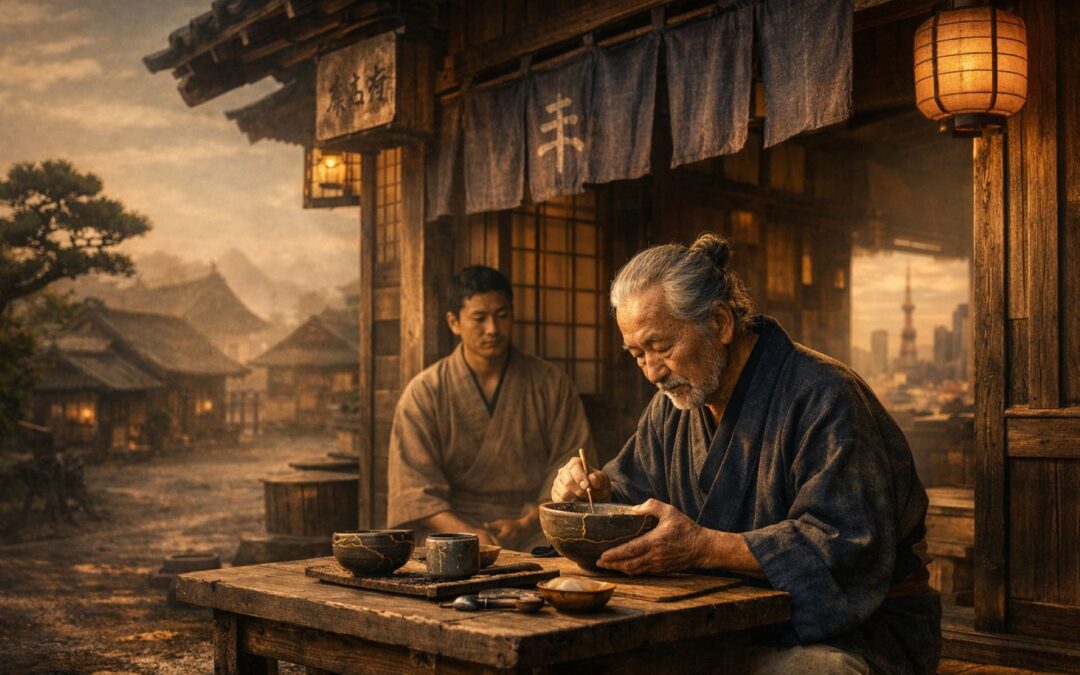
Japan is home to some of the most enduring businesses in the world, many of which have survived for centuries. In fact, the five oldest companies still operating today were founded in Japan over a thousand years ago. These businesses, known as shinise firms, embody lessons in longevity, sustainability, and the power of tradition. So, what can modern entrepreneurs and business leaders learn from these centuries-old institutions? Let’s delve into the timeless business lessons that have helped shape these enduring brands.
1. Focus on Long-Term Success
In an age where businesses are often defined by quarterly reports, aggressive market expansion, and immediate profitability, the concept of focusing on long-term success may seem counterintuitive. However, for Japan’s shinise firms, this long-term perspective is not just a business strategy—it’s a fundamental philosophy that has allowed companies to survive and thrive for centuries. These companies don’t simply aim to maximize short-term profits or chase fleeting trends; instead, they build their business with an eye on future generations. Their goal is not just survival, but sustainability—ensuring that the company endures for decades, if not centuries.
The cornerstone of this approach is sustainable development, a widely accepted principle that suggests businesses should meet the needs of the present without compromising the ability of future generations to meet their own needs. Shinise companies understand that sustainability is not a quick fix or a trend; it’s the result of continuous, deliberate effort that spans across multiple generations. This is a stark contrast to the typical short-term focus of businesses in the Western world, where there is a high demand for immediate financial returns, often at the expense of future stability.
One of the primary reasons shinise companies endure for so long is their emphasis on longevity. These companies are not concerned with rapid growth or skyrocketing profits. Instead, they focus on creating a foundation that will endure over time. CEOs in these companies often hold their positions for a short period, typically two to four years, with a clear mission to fulfill the expectations of shareholders within that time. This may seem like a limitation at first glance, but in reality, it serves to align the company’s efforts with long-term goals rather than immediate results. The business is viewed not as a personal asset to be exploited but as a family legacy that must be preserved for future generations.
Furthermore, shinise firms avoid the temptation to go public by listing their stocks. Publicly traded companies are often driven by the need to meet the quarterly expectations of their shareholders, which can lead to short-term thinking and even risky decisions. Instead, shinise businesses stay privately owned, allowing them to focus on long-term growth and sustainability rather than short-term financial performance. This allows them to maintain complete control over their operations and ensures that their business decisions are made with future generations in mind, rather than the pressures of meeting the next financial report.
What sets these companies apart is not just their patience but their willingness to invest in long-term relationships. They prioritize building and nurturing relationships with employees, customers, and business partners. Rather than focusing on one-off transactions, they foster a culture of trust and loyalty, which ultimately leads to more sustainable success. In many shinise companies, the emphasis is on providing high-quality products and services that will satisfy customers for years to come, ensuring customer loyalty over time. This is done by continually improving based on customer feedback, creating products that last, and fostering a relationship with customers that goes beyond mere sales.
The mindset of hosoku nagaku, which translates to “thin and long,” perfectly encapsulates the essence of this philosophy. The idea here is that businesses should aim for longevity and stability rather than seeking to capitalize on quick profits or temporary trends. Shinise companies don’t chase immediate rewards; they cultivate a slow and steady approach that ensures they will be around for the long haul. Their strategy involves embracing the changing market dynamics while staying true to their roots and mission.
For modern entrepreneurs, this approach offers a critical lesson: building a business that will last requires a long-term commitment. It means focusing on creating value over time, maintaining consistency, and nurturing relationships that can withstand the test of time. This strategic patience allows businesses to adapt to change while maintaining their core identity, creating a foundation that supports future growth and stability.
2. Tradition Matters More Than Profits
While many businesses in today’s fast-paced world prioritize profits above all else, Japan’s shinise firms have long understood that tradition is the key to lasting success. Their belief in the power of tradition is not rooted in nostalgia but in the recognition that cultural and business practices passed down through generations hold immense value. For these companies, adhering to tradition is not just about preserving the past—it’s about creating a connection between the past, present, and future, which provides stability and continuity.
In many shinise firms, tradition is closely intertwined with the business’s identity. Whether it’s the craftsmanship of their products, the customer service they offer, or their company culture, tradition plays a central role in how they operate. In Japan, tradition is not seen as something that hinders progress; rather, it is a source of strength. These businesses are custodians of their local communities’ values, preserving the cultural heritage of their regions while simultaneously innovating and adapting to the modern world.
One of the key reasons that shinise businesses thrive for so long is because they understand the importance of social standing within their community. As Japan underwent rapid modernization and westernization, the competition among businesses grew, and the temptation to abandon tradition for the sake of modernization was ever-present. However, many shinise companies recognized that their longevity depended not on embracing every new trend, but on staying true to the cultural values and business practices that had served them well for generations.
In this context, maintaining high social standing means more than simply having a good reputation; it means embodying the values of the community. For shinise businesses, tradition is a living, breathing entity that connects them to the very people they serve. By continuing to produce traditional goods and uphold the values that have defined their region or industry, these companies build deep connections with their customers. In many cases, customers don’t just buy products—they buy into the story, the culture, and the history that these businesses represent. It is this sense of cultural continuity and identity that allows shinise companies to maintain a devoted customer base for centuries.
Moreover, shinise firms understand that tradition is not static. While they remain committed to the core practices that define them, they also know that innovation within tradition is possible. The idea is not to reject progress but to integrate it in a way that respects the traditions of the past. In many cases, these businesses blend the old with the new, finding innovative ways to adapt their operations and products to changing times without losing their traditional essence.
In this respect, tradition isn’t about stagnation—it’s about resilience. By maintaining their heritage, shinise firms navigate the modern world with a sense of stability that many businesses lack. Tradition provides them with a sense of purpose, guiding their decision-making and providing a solid foundation in times of uncertainty. In a world where businesses often face the temptation to chase short-term profits, these companies prioritize long-term relationships with their customers and communities, ensuring that they are viewed not just as profit-driven entities but as stewards of cultural heritage.
For modern business owners, this focus on tradition offers an essential lesson: businesses are not just about making money—they are about creating value that is deeply rooted in culture and community. By preserving and integrating tradition, companies can foster lasting loyalty, create meaningful customer connections, and build a brand that transcends time. This approach allows businesses to remain relevant and beloved by their customers, regardless of changing market trends.
3. Quality Over Quantity
In an era dominated by fast consumerism and mass production, where businesses are often pushed to produce large quantities at low costs to stay competitive, the philosophy of “quality over quantity” stands as a profound counterpoint. The shinise companies of Japan, which have survived for centuries, understand that the true essence of a successful product is not in how many units are sold, but in how much value is packed into each item. These companies emphasize craftsmanship, attention to detail, and a relentless pursuit of perfection—values that have helped them build trust and loyalty with customers over decades, if not centuries.
This approach contrasts sharply with the modern trend of planned obsolescence, where products are designed to wear out quickly so that consumers are forced to buy new ones. In Japan, businesses focus on creating high-quality products that stand the test of time, both functionally and aesthetically. This philosophy not only fosters customer loyalty but also ensures that the business itself is viewed as reliable and trustworthy. Customers are willing to pay a premium for products that are durable and long-lasting, which in turn generates sustainable profits for the business.
For shinise firms, product quality is not just about superior materials or precise craftsmanship; it is also about creating an experience that resonates with customers on a deeper level. Whether it’s the tactile satisfaction of using a well-made object or the emotional connection fostered by the company’s commitment to excellence, quality is woven into every aspect of the product and the customer experience. By prioritizing quality, these businesses cultivate an environment where customers trust that their needs will always be met with care and attention, leading to strong, long-term relationships.
This commitment to quality also extends to the services these companies offer. For instance, customer service in shinise businesses isn’t about simply fulfilling a transaction; it’s about building a lasting relationship. Customer service representatives are trained to provide not just solutions but also a sense of comfort, trust, and reliability. This high standard ensures that customers feel respected and valued, which, over time, leads to greater customer retention.
Moreover, quality over quantity helps businesses maintain a reputation for excellence. This reputation becomes a powerful asset, especially in competitive industries where differentiation is key. In a world where consumers are increasingly disillusioned with cheap, disposable products, companies that offer high-quality, durable goods stand out. As the world becomes more concerned with sustainability and reducing waste, businesses that focus on longevity and quality are well-positioned to appeal to conscious consumers who are willing to invest in products that will last and not be discarded after a few uses.
For modern entrepreneurs, this lesson is clear: if you want your business to build long-lasting relationships with customers, focus on delivering products and services that are truly valuable. This doesn’t mean competing on price, but on quality, which in turn creates customer loyalty and ensures that your brand becomes synonymous with reliability and trust.
4. Elegant Simplicity Is Everything
The Japanese aesthetic of shibui encapsulates the idea that simplicity, when executed with precision and care, is the highest form of elegance. In the context of business, this philosophy can be applied to every aspect of the customer experience—from the design of the product to the branding and even the way the business interacts with its clients. Shibui advocates for a minimalist approach that removes unnecessary elements while preserving beauty, functionality, and clarity. It’s an aesthetic that values restraint over excess, making it particularly relevant in today’s hyper-competitive market, where businesses are constantly battling to grab consumer attention with flashy marketing, cluttered branding, and over-complicated products.
In business, shibui can be seen in the approach to product design. Rather than overwhelming customers with excessive features or over-engineered solutions, companies that adopt this philosophy focus on creating products that are as simple as possible while still being highly functional and aesthetically pleasing. Every detail is meticulously planned, every element carefully chosen, and every aspect of the design is intentional. The goal is to create a product that not only meets the user’s needs but also evokes a sense of calm and satisfaction through its simplicity.
This minimalist approach also extends to branding and marketing. Instead of bombarding potential customers with over-the-top advertisements or trying to appeal to every possible demographic, businesses that embrace shibui focus on clear, clean messaging that highlights the essential value of their product or service. Their logos, packaging, and marketing materials reflect this simple elegance, using natural materials and understated design to communicate the company’s core values. The result is a brand identity that feels authentic, trustworthy, and timeless—qualities that resonate with customers who seek simplicity and authenticity in a world cluttered with noise.
The beauty of shibui lies in its ability to create a harmonious balance between form and function. A shibui-inspired product isn’t just beautiful to look at; it’s also practical, efficient, and enjoyable to use. The simplicity of the design enhances the user experience by allowing them to focus on what truly matters: the product itself. It’s a subtle, refined approach that invites consumers to appreciate the elegance of the design without being overwhelmed by unnecessary complexity. This philosophy also applies to customer service. Companies that value simplicity prioritize providing seamless, efficient, and respectful customer interactions. Instead of bombarding customers with an overwhelming array of options or overly complex procedures, they offer a straightforward, pleasant experience that emphasizes ease and clarity.
In the context of business operations, shibui also encourages companies to streamline their processes and eliminate inefficiencies. By focusing on what truly adds value to the customer experience and cutting away the rest, businesses can operate more effectively and deliver greater satisfaction. This approach not only helps reduce costs but also improves the overall quality of service, creating a smoother, more pleasant experience for both the customer and the employees.
For modern entrepreneurs, adopting the shibui philosophy means simplifying and refining every aspect of the business, from product design to customer service to marketing. It’s about removing the unnecessary noise and focusing on what truly matters—quality, functionality, and beauty. By embracing this elegant simplicity, businesses can build a brand that stands out in a crowded market, appeals to consumers seeking authenticity, and delivers a product experience that feels refined and timeless.
5. The Design Must Be an Experience in Itself
In Japan, the aesthetic philosophy of monono aware speaks to an appreciation for the fleeting beauty in life, reminding us that the simplest moments often hold the greatest value. This concept is deeply woven into the fabric of Japanese culture, from traditional art to product design. For Japanese businesses, monono aware encourages a profound understanding that beauty can be found in the most mundane aspects of life, and that this beauty should be reflected in the design of the products and services they create. It’s not just about functionality—it’s about crafting an experience that is as much about the emotional journey as the physical use of the product.
Take, for instance, the furoshiki—a traditional Japanese wrapping cloth. It’s not merely a tool to wrap objects but a meditative experience. The folding of the cloth, the way it is carefully tied and shaped, transforms what would be a simple act into a deeply thoughtful and artful process. This appreciation for the small, beautiful details is a reflection of the monono aware philosophy: that beauty is found in impermanence, in the way something is used, and in how it connects with the person interacting with it.
This appreciation for beauty extends to modern product design, where even everyday objects are created with the same care and attention to detail. In Japan, a product is not just meant to serve a practical purpose; it is meant to delight the senses. Whether it’s the texture of a beautifully crafted knife, the smooth surface of a meticulously designed teapot, or the elegance of a well-designed chair, the experience of using these products is an integral part of their design. The goal is to create not just functional items, but products that elevate the user’s daily life, adding beauty and grace to even the most routine moments.
In business, this philosophy teaches us that the design of a product should never be an afterthought—it should be an immersive experience in itself. Every interaction with the product, from the moment the customer sees it on the shelf to the moment they use it, should be an experience that brings joy and satisfaction. This can be seen in modern-day applications, where even something as simple as a suitcase or a pen is crafted to provide an emotional connection with the user.
For businesses today, the lesson is clear: design should never just be about appearance—it should be about creating an experience. Every detail, from the choice of materials to the way a product is packaged, should be carefully considered to enhance the customer’s interaction with the brand. This level of thoughtfulness transforms ordinary products into extraordinary ones, creating lasting impressions that customers will remember and cherish.
When businesses design their products as experiences, they do more than just sell an item—they offer a meaningful, enriching experience that customers will want to return to time and again. This level of care and consideration ensures that every product resonates with its audience, making it more than just an object but a part of the customer’s life story.
Conclusion
The enduring success of shinise firms offers profound lessons for contemporary businesses. By focusing on long-term sustainability, valuing tradition, prioritizing quality, embracing elegant simplicity, and crafting memorable experiences, these companies have mastered the art of enduring success.
As we navigate a rapidly changing business landscape, these timeless principles from ancient Japan provide a beacon of wisdom and inspiration for building lasting and meaningful enterprises.
What core values would you prioritize in building a business? Share your thoughts in the comments below. If you found these insights valuable, don’t forget to like and share this article.