
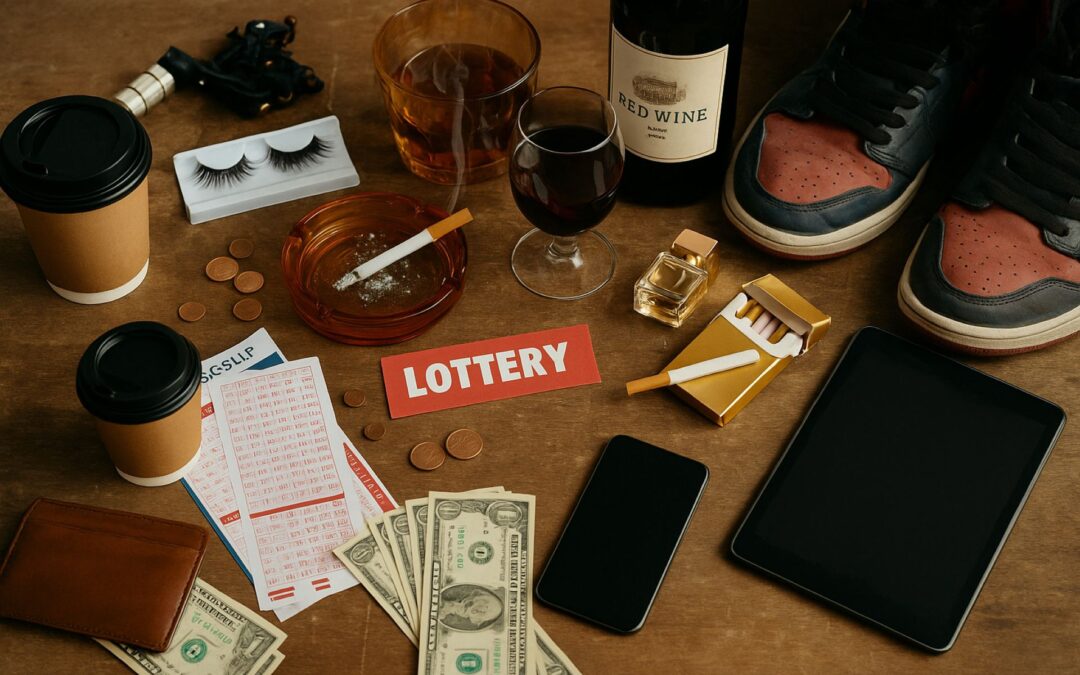
Ever wonder how broke people still manage to splurge on certain things? It’s puzzling, right? Even when money’s tight, there are 15 things broke people always have money for. We’re not talking about the basics like rent or groceries but unexpected expenses that somehow make the cut. From daily coffee fixes to streaming services, these spending habits reveal a lot about our priorities and mindsets.
In this post, we’ll explore these curious expenditures and share actionable tips to help you make smarter financial choices. Ready to uncover the surprising truths and strategies? Let’s dive right in!
1. Tattoos
Tattoos, once a symbol of rebellion or artistic expression, have evolved into a common form of self-expression, and for many broke individuals, they serve as a way to stand out or make a statement. However, when viewed from a financial perspective, tattoos represent a clear example of misplaced priorities. While the average person may carefully budget for necessities like rent, utilities, and food, a financially struggling individual might divert a large portion of their limited resources toward tattoos—often without fully considering the long-term consequences.
The desire to express oneself through tattoos is not inherently negative. But when someone is already grappling with financial instability, a large, expensive tattoo—especially one that requires multiple sessions—becomes a drain on limited funds. A person might justify it by thinking of it as a way to feel unique or to mark a significant event. However, what was initially a small personal symbol can quickly evolve into a full sleeve or a sprawling back piece, leading to expenses that are more in line with those of someone who can afford luxuries. The problem is not the act of getting a tattoo itself but the underlying impulse to prioritize this over more essential financial obligations. For instance, one could argue that it’s better to invest in education or job skills to improve earning potential rather than indulge in a temporary form of self-expression that leaves a permanent mark on the body.
Moreover, the decision to get tattoos—often made impulsively—becomes a financial liability. Unlike an investment in a skill or education, tattoos do not increase in value. While some people may argue that tattoos enhance their personal identity or help them feel empowered, the reality is that, as one ages, they may regret these spontaneous designs. There’s also the added cost of potential touch-ups or cover-ups, making tattoos a recurring financial burden that could otherwise be spent on more productive investments.
2. Cigarettes and Alcohol
When financial hardship sets in, the priorities of many individuals shift, but some habits remain incredibly difficult to shake—particularly smoking and drinking. These are not just fleeting indulgences; they are ingrained, habitual behaviors that require constant expenditure. The remarkable thing about these habits is that, despite financial struggles, cigarettes and alcohol always manage to make their way into the budget.
Cigarettes, for example, are a financial paradox. Even when someone is barely scraping by, they will still manage to prioritize their next pack over more essential purchases like food or transportation. The cost of cigarettes continues to rise, and yet, for many people, the addiction is so deeply rooted that they will make a choice to sacrifice their basic needs just to feed it. The psychological and physiological dependency on nicotine drives the behavior, and the longer the individual continues to smoke, the harder it becomes to break free from this cycle. It’s not just the immediate cost of a pack—it’s the long-term health consequences that compound over time. Yet, despite these risks, many find it impossible to quit.
Alcohol follows a similar pattern. Whether it’s buying a six-pack for a night of relaxation or indulging in cocktails at a bar, alcohol becomes a coping mechanism for many individuals struggling financially. The problem is that alcohol, like cigarettes, is a temporary escape from reality. While it may provide short-term relief, it only exacerbates long-term financial and personal issues. The alcohol industry is incredibly skilled at marketing its products as symbols of fun, socializing, and relaxation, and many people continue to prioritize these behaviors despite not being able to afford them. The cost of regular drinking adds up quickly, and over time, it becomes a significant drain on finances—money that could otherwise be invested in health, savings, or education.
3. Acrylic Nails, Hair Extensions, and Fake Lashes
In a society that places heavy emphasis on outward appearance, beauty treatments like acrylic nails, hair extensions, and fake lashes are often seen as essential purchases. Even when money is tight, many individuals still prioritize these beauty enhancements to maintain an image of confidence or glamour. The problem is that these products, while giving temporary boosts to self-esteem, are recurring expenses that add up over time and provide little in terms of long-term value.
Acrylic nails, for instance, often require regular upkeep—sometimes every two to three weeks—to prevent them from looking damaged or grown-out. Each appointment can cost anywhere from $30 to $60, depending on the design and location. Similarly, hair extensions are not a one-time purchase but require continuous maintenance, including professional installation, occasional repairs, and the purchase of additional products to keep them looking fresh. The same goes for fake lashes, which, while offering a temporary solution for those seeking fuller lashes, require frequent touch-ups and replenishments.
For individuals already struggling with basic financial responsibilities, spending money on beauty treatments becomes a form of self-deception—an attempt to keep up appearances rather than confront the more pressing reality of their financial situation. There’s also an emotional aspect to this behavior: the belief that one must look a certain way to be valued or accepted by others. This belief is often perpetuated by social media influencers and celebrities, whose lives are carefully curated to present an image of wealth and beauty. Unfortunately, for many broke individuals, these standards become a source of pressure, leading them to invest in products that only provide short-term gratification and do not address the deeper issues at play—like the need for financial stability.
4. Lottery Tickets and Sports Betting
The allure of sudden wealth can be intoxicating, and for broke individuals, the fantasy of a life-changing windfall often drives them to spend money on lottery tickets or engage in sports betting. These forms of gambling represent a shortcut to financial freedom—a shortcut that is almost always a mirage. Despite the odds being overwhelmingly against them, the hope of winning big keeps many coming back for more.
Lottery tickets are particularly prevalent among financially struggling individuals. The price of a ticket is relatively low, and the potential reward—while statistically improbable—seems enticing enough to justify the expense. What many fail to realize is that the money spent on lottery tickets adds up over time, and it’s money that could have been used for more productive purposes, like building savings or investing in personal development. While the fantasy of winning a jackpot is alluring, the reality is that most lottery players never see a return on their investment. The more one plays, the more ingrained the behavior becomes, leading to a cycle of spending on something that offers little return.
Sports betting follows a similar pattern. Many broke individuals convince themselves that they have a unique insight into the game, that they’re just one bet away from a big win. The idea of being “in the know” or having a better strategy than the average gambler is a common delusion. In reality, the house always wins, and the odds are stacked against the bettor. Just like with lottery tickets, sports betting becomes a way to escape reality, to dream of wealth without putting in the hard work that leads to it. But instead of using their money to create lasting value, these individuals squander it on fleeting chances for instant gratification.
5. Payment Plans for Big-Ticket Items
In today’s consumer-driven culture, payment plans for big-ticket items like the latest smartphones, televisions, or appliances have become increasingly common. At first glance, these plans may seem like a manageable way to acquire expensive products without depleting one’s savings. However, for many broke individuals, these payment plans are a gateway to deeper financial instability. Just because someone can make the initial down payment or afford the first installment doesn’t mean they can truly afford the product in question.
The problem arises when individuals begin to prioritize these purchases over more pressing needs, like rent, bills, or savings. The idea of paying in installments creates an illusion of affordability. However, when the final cost of the item is factored in—including interest rates and hidden fees—the price paid is often far higher than the original sticker price. This financial burden accumulates over time, and before long, the individual is trapped in a cycle of debt that’s difficult to escape.
The pressure to keep up with societal expectations plays a large role in this behavior. People often feel the need to have the latest gadgets or the biggest TV in order to fit in or to appear successful. The reality, however, is that these items provide no long-term value—they simply serve to inflate the ego temporarily. In a world obsessed with status symbols and consumerism, many broke individuals make the mistake of equating material possessions with success, leading them to make poor financial decisions that will only harm their long-term financial health. The reality is that true financial success comes from managing money wisely and making investments that appreciate over time—not by purchasing the latest trends on credit.
6. Pets
Pets, particularly dogs and cats, hold a special place in many people’s hearts, and for those struggling financially, they can represent unconditional love and companionship. Yet, while the emotional benefits of pet ownership are undeniable, the financial costs often outweigh the immediate joy that pets bring. Pets require consistent expenses for food, grooming, veterinary care, vaccinations, and sometimes even specialized treatments. These costs can quickly add up, especially if the pet becomes ill or needs surgery, creating a significant financial burden.
For broke individuals, the dilemma arises when they prioritize their pets’ needs over their own. This might mean choosing to skip necessary health appointments or forgoing paying off a credit card balance, all in the name of pet care. This happens because, for some, pets are not just animals—they are emotional support systems, and the bond can sometimes feel more important than financial security. Pet owners may convince themselves that they can’t live without their animal companion, but in reality, the decision to keep a pet when struggling financially can result in prolonged financial hardship.
In extreme cases, this can lead to neglecting one’s personal health or other obligations. The costs involved in caring for a pet—especially if the owner is already financially unstable—can lead to further debt or prevent savings from growing. While the emotional rewards of owning a pet can be priceless, the financial responsibilities they entail are often unsustainable if not balanced with careful financial planning.
7. Loud Exhausts and Car Mods
For many broke individuals, cars are more than just a mode of transportation—they represent status, power, or individuality. This is especially true in car culture, where modifying a vehicle can be seen as a way to stand out. While some car modifications, like performance enhancements, can make practical sense for those with the right financial resources, many individuals make the mistake of investing in modifications that add little value and may even harm the car’s long-term functionality.
Loud exhausts and flashy spoilers are examples of car mods that are often chosen for their attention-grabbing appeal rather than any practical benefit. Adding a loud exhaust system to an old car or painting flames on the side of a vehicle doesn’t increase its performance or safety, and it certainly doesn’t contribute to the owner’s financial stability. Instead, it’s a reflection of misplaced priorities—an attempt to project an image of success or rebellion, even if it means straining finances further.
Not only do these mods often require substantial investment, but they can also lead to unexpected costs. For example, a louder exhaust might annoy neighbors or result in legal fines in some areas, adding even more financial pressure. Moreover, spending money on cosmetic enhancements for a car that is not a long-term investment is a poor financial decision. Broke individuals often prioritize these items because they offer a temporary sense of satisfaction, but in the long run, these choices fail to add any meaningful value to their lives or financial situations.
8. Brand Accessories
Brand-name accessories are a clear example of the power of consumerism and social status. Whether it’s sunglasses, bags, or jewelry, the desire to own luxury items can often overshadow practical financial needs. For broke individuals, the impulse to purchase high-end accessories is often driven by a desire to appear wealthier than they actually are. In this social media age, the pressure to present an image of success is enormous, and brand-name accessories serve as a visible indicator of “status” that can momentarily elevate someone’s self-image.
However, these purchases are usually superficial and don’t provide any long-term financial benefit. Instead, they serve to reinforce the illusion of wealth, often leading to further financial instability. For example, someone might purchase a designer bag or a pair of sunglasses from a luxury brand like Versace or Gucci, believing that it will elevate their social standing or help them fit in with a certain crowd. The irony is that these luxury goods are often counterfeit or bought from untrustworthy sources, especially when they are purchased at a steep discount from online marketplaces or unauthorized retailers.
In the end, these accessories often only compound the cycle of financial struggle. While they might give the illusion of wealth, they don’t translate into actual financial prosperity. The money spent on these items could have been better invested in skills development, savings, or debt repayment. Buying into the culture of brand-name goods is a classic example of how appearances often take precedence over financial responsibility, which, in turn, prevents individuals from ever reaching true financial stability.
9. Holidays on Borrowed Funds
In a society that places heavy emphasis on appearances and experiences, holidays are often seen as a way to escape from daily struggles and create memories that can be shared on social media. For broke individuals, the idea of going on vacation becomes a way to present an image of wealth and success, even if it means going into debt to make it happen. Whether it’s borrowing money from friends or taking out a payday loan, the desire to have an extravagant holiday—whether in a tropical paradise or a cultural hotspot like Paris or New York City—often leads to decisions that are financially reckless.
The problem with taking holidays on borrowed funds is that it creates an illusion of success without any of the hard work that typically leads to financial prosperity. After the trip, the individual is left with the debt and the reality of how unsustainable this lifestyle is. These kinds of vacations, often shared on social media to create a sense of envy or admiration, come at the cost of long-term financial health. Once the holiday is over, the bills start arriving, and the individual is left paying off loans or credit card debt that could take years to clear.
This behavior is driven by a desire to maintain appearances and escape the reality of financial struggles. Instead of confronting the financial challenges head-on, many opt for temporary distractions—often with disastrous consequences. The key issue here is that holidays, when paid for on borrowed money, don’t create lasting value and are often an attempt to impress others, rather than focusing on meaningful ways to improve one’s financial position in the future. These experiences, while enjoyable in the short term, only serve to deepen the financial hole in the long run.
10. Scams and Fortune Tellers
When it comes to escaping financial hardship, many broke individuals are desperate for a quick fix. This desperation can often make them vulnerable to scams and fraudulent schemes that promise easy wealth. From pyramid schemes to get-rich-quick schemes to consulting with fortune tellers, these individuals will often invest their hard-earned—or borrowed—money in hopes of an immediate return.
Scams can take many forms, but they all share one thing in common: they promise something for nothing. A broke person might hear about a “business opportunity” where they can invest $500 a week and, in return, earn thousands of dollars in passive income. The reality, however, is that these scams only work for the scammers, not the investors. Instead of learning a legitimate way to create wealth, these individuals chase the dream of quick riches, hoping for an easy out from their financial struggles.
Similarly, some individuals turn to fortune tellers or psychics, hoping for guidance that will miraculously transform their financial situation. The idea of consulting someone who claims to have special knowledge of their future can be comforting, especially when one is feeling lost or overwhelmed. But relying on fortune tellers or self-proclaimed “financial gurus” is a futile attempt to bypass the real work of building financial stability. Instead of investing in education, skills development, or sound financial planning, these individuals squander money on empty promises, only to find themselves further entrenched in debt and financial instability.
These scams prey on people’s vulnerabilities and the desire to escape their current reality without putting in the hard work required for lasting success. While the quick fixes may seem appealing, they ultimately contribute to a cycle of financial failure, rather than offering any real solutions to the underlying problems of mismanagement, ignorance, or lack of action.
11. Perfume and Fancy Toiletries
For many individuals struggling with finances, purchasing luxury items like expensive perfumes and designer toiletries is a form of self-indulgence, offering a temporary sense of luxury and escape. The allure of a high-end fragrance or a fancy toiletry set is undeniable; the sweet smell of a premium perfume or the aesthetic appeal of designer lotions can create a sense of sophistication, even when the financial situation is less than ideal. Yet, these purchases are often made in a desperate attempt to experience a lifestyle that feels out of reach.
The irony lies in the fact that, while these items may provide a fleeting sense of refinement or status, they offer no lasting financial value. The true cost of a bottle of luxury perfume is not just the price tag—it’s the opportunity cost of spending money on something that doesn’t improve your financial standing. For broke individuals, purchasing these products is often a form of escapism, a way to temporarily forget about financial stress or personal struggles. But the long-term impact is a deeper sense of financial instability, as this money could have been better spent elsewhere—such as paying off bills, saving for emergencies, or investing in personal development. The perfume will fade, but the financial hole left by such purchases only deepens.
Additionally, these items are often purchased not for their inherent value, but for the status they convey. Owning a bottle of Chanel No. 5 or the latest Jo Malone fragrance doesn’t make someone richer or more successful. It merely sends a message to others that they are willing to spend money on the illusion of wealth. This desire to project a sense of affluence at all costs can prevent individuals from addressing the real issues that are keeping them financially stuck. It’s a prime example of how superficial desires can take precedence over meaningful financial choices, perpetuating the cycle of financial insecurity.
12. Online Shopping on a Budget
Online shopping has become an increasingly popular pastime, especially for those who are struggling financially. Sites like Wish, AliExpress, and Amazon offer low-cost items that seem like a bargain at first glance. The temptation to purchase something cheap online can be overwhelming, especially when the prices appear too good to pass up. However, the reality is that many of these purchases are entirely unnecessary and ultimately lead to more clutter and less financial security.
One of the major problems with online shopping for broke individuals is that it becomes an impulse-driven habit, rather than a conscious decision based on need. The convenience of shopping from the comfort of one’s home, coupled with targeted marketing and the appeal of “deals,” creates a perfect storm for unnecessary spending. These purchases often lack real value, and instead of enhancing one’s life, they fill drawers with products that never get used. A helmet for a chicken, a random kitchen gadget, or a poorly made piece of clothing may seem like good buys in the moment, but they offer no long-term benefit and often end up as waste.
The psychological aspect behind this behavior is important to understand. Online shopping on a budget can become a form of emotional relief—a quick fix for feelings of stress or inadequacy. But in the long term, it simply contributes to more financial strain, as money is spent on items that have little to no functional value. Instead of focusing on building savings or investing in meaningful purchases, broke individuals continue to spend money on fleeting distractions that do little to improve their financial situation. This constant cycle of spending on unnecessary items only deepens the financial instability they are already facing.
13. Impulse Purchases (New Jordans, iPhones, etc.)
Impulse buying is a hallmark of poor financial management, and when someone is already living paycheck to paycheck, these unplanned purchases are especially damaging. Whether it’s the latest pair of designer sneakers like Jordans, a brand-new iPhone, or the newest gadget on the market, broke people often feel the irresistible urge to act on impulse and purchase these items—even when they cannot truly afford them.
The allure of owning the latest, most hyped product is powerful, and marketing campaigns designed to create urgency and desire only add fuel to the fire. Social media influencers, celebrities, and advertisers make these products seem essential to a successful and glamorous lifestyle. For someone struggling financially, buying these high-ticket items becomes a way to momentarily feel “successful” or “rich.” However, this instant gratification comes at a steep cost. These purchases often go on credit cards or are bought with borrowed money, leading to an increase in debt that only worsens their financial situation in the long run.
One of the biggest traps of impulse purchases is that they are driven by emotion rather than need. Instead of carefully evaluating whether a purchase is truly necessary or aligned with long-term financial goals, individuals act on their immediate desires, making decisions based on the fear of missing out or wanting to keep up with peers. The new Jordans or iPhone may provide short-term satisfaction, but they offer no lasting value. The money spent on these products could have been used to build savings, pay down debt, or invest in skills that could lead to better job opportunities. Ultimately, these impulse buys serve as a temporary ego boost, but they do nothing to address the underlying financial instability.
14. Eating Out Instead of Cooking at Home
Eating out is one of the most common luxuries that broke people continue to indulge in, despite their financial struggles. Whether it’s grabbing fast food on the way home, ordering takeout, or dining at a restaurant, the habit of eating out frequently is a drain on one’s finances. While it may seem like a small expense, over time, the cost of eating out can add up to hundreds, if not thousands, of dollars a year. And yet, when someone is already struggling to make ends meet, it seems counterintuitive to prioritize dining out over cooking at home.
The reasons for eating out are often psychological rather than practical. For many, eating out represents convenience and social engagement—it’s a way to take a break from the stress of cooking and to indulge in a brief moment of enjoyment. It may also be seen as a way to reward oneself for working hard or surviving the daily grind. However, the reality is that cooking at home is far more cost-effective than dining out, especially when done consistently. Even when the cost of ingredients for homemade meals seems high, it is still far cheaper than regularly spending money on takeout or restaurant meals.
One of the main factors driving this behavior is the lack of time and the convenience factor. With busy schedules and the temptation to avoid meal prep, many individuals opt for the quick fix of eating out, which provides immediate gratification but little in the way of long-term value. But the financial toll it takes is significant. Regularly eating out robs individuals of the opportunity to save money or invest in healthier food options that can be prepared at home. Instead of spending money on meals that could be made for a fraction of the cost, broke individuals often find themselves throwing away money on convenience, all while their financial situation remains unchanged.
The solution lies in shifting the focus from short-term indulgence to long-term financial health. By learning to cook simple, affordable meals at home, individuals can regain control over their finances and avoid the constant drain of dining out. It requires discipline and planning, but the benefits of cooking at home far outweigh the fleeting satisfaction of a takeout meal.
15. Fireworks and Trampolines
Broke individuals often make some of the most bizarre purchases when it comes to spending money they can’t afford. Among the most random of these purchases are fireworks and trampolines—items that, on the surface, seem frivolous and unnecessary, especially when there are far more pressing financial concerns. The allure of fireworks, in particular, lies in the temporary thrill they provide. For a few moments, they light up the night sky, offering excitement and enjoyment, but their effect is fleeting, and the cost is permanent.
Similarly, trampolines, which may seem like a fun activity for the family, also come with a hefty price tag. In addition to the initial purchase cost, there are maintenance costs, space considerations, and even safety risks. Despite all these factors, broke people sometimes go ahead with the purchase in a moment of emotional decision-making, driven by the desire to enjoy something exciting or out of the ordinary. Whether it’s fireworks for a celebration or a trampoline for the kids, these random purchases reflect a deeper issue: the desire to escape financial reality by indulging in something temporary that provides instant gratification.
These purchases often highlight the randomness of financial decision-making when someone is struggling. Instead of thinking logically about their limited resources and choosing to invest in more meaningful ways to improve their lives—such as in education, debt repayment, or savings—these individuals seek comfort in the fleeting joy of a trampoline or the spectacle of fireworks. It’s a form of escapism that temporarily distracts them from their financial struggles, but in the end, these purchases provide no lasting value and only serve to perpetuate the cycle of poor financial decisions.
Conclusion
In conclusion, broke individuals often allocate financial resources to certain expenditures despite economic challenges, reflecting personal priorities, social influences, or coping mechanisms. From tattoos and cosmetic enhancements to addictive substances and speculative investments, these expenditures fulfill psychological, social, or aspirational needs amidst financial constraints.
While these expenditures offer temporary gratification or social validation, they may also exacerbate financial hardships, compromise long-term financial stability, or prioritize immediate desires over prudent financial management. The challenge lies in balancing personal aspirations, societal pressures, and financial responsibilities to navigate economic uncertainties effectively.
Understanding the motivations behind these expenditures underscores the complex interplay between personal choices, social influences, and financial circumstances in managing limited resources. By fostering financial literacy, prudent decision-making, and responsible budgeting, individuals can better navigate economic challenges and pursue sustainable financial well-being.